

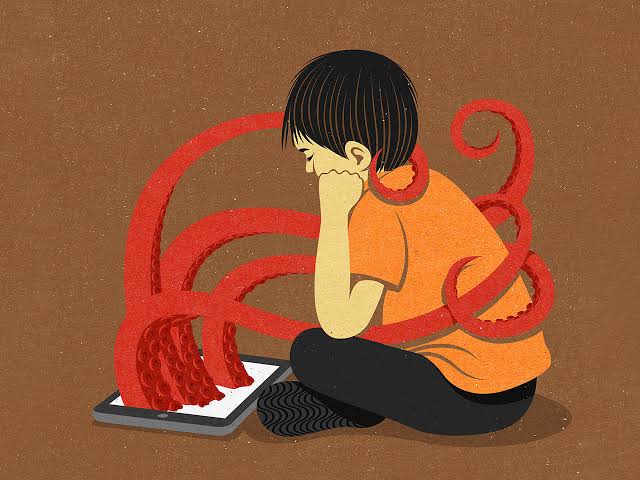
Most online habits begin for a reason. A short video offers a break after work. A game provides company when the house is quiet. Checking messages helps someone feel connected. None of these activities is automatically a problem, and the amount of time spent online rarely tells the whole story.
The more useful question is what happens around the habit. Does it crowd out sleep, attention, relationships or things you meant to do? Do you keep returning to it even when it no longer feels enjoyable? Noticing those patterns is not a reason for shame. It is a chance to get curious about what the habit is doing for you.
Look beyond screen time
A busy week can mean more time online without signalling a lasting difficulty. Someone might rely on their phone while travelling, working irregular hours or staying in touch with family across Australia. Context matters. So does choice: can you put the activity aside when another priority needs your attention, or does stopping feel unexpectedly difficult?
Consider the effects rather than setting an arbitrary limit. You may notice that a planned ten-minute check stretches into an hour, that bedtime keeps moving later, or that you are distracted during conversations. Perhaps you have started concealing how often you log on. These observations do not amount to a diagnosis, but they can tell you where the habit deserves a closer look.
It can also help to distinguish pleasure from relief. Enjoying an online activity is different from feeling you must use it to escape tension, loneliness or boredom. A habit may still be meeting a real need, even if its current form is causing problems.
Notice what happens just before you reach for it
For a few days, pay attention to the moments that lead you online. Keep the notes simple and private: where you were, what you were feeling, what you hoped the activity would change and how you felt afterward. The aim is not to monitor every minute. It is to spot a pattern you can work with.
- Are there particular times, such as the commute home or the hour before bed, when the urge is strongest?
- Does it follow stress, an argument, an unfinished task or a period of feeling isolated?
- Do notifications pull you in, or do you open the app without a prompt?
- What gets postponed when a short session runs longer than intended?
Your answers may point to different solutions. If tiredness is the trigger, protecting sleep may matter more than finding a stricter app limit. If you are looking for connection, arranging time with someone offline may help more than simply putting your phone in another room.
Make the next choice easier, not just harder
It is tempting to respond with a sweeping rule: no more scrolling, gaming, shopping or checking at all. A clear boundary can be useful, but a rule that leaves a need unmet may be difficult to maintain. Start with one change you can test. You might charge your phone away from the bed, turn off nonessential notifications or decide in advance when you will finish an online session.
Give the time you recover a purpose. A walk, a meal without a screen or a call with a friend can provide a different kind of break. Choose something realistic for your schedule and energy. For someone working shifts, an evening routine may make little sense; a short pause after work might fit better.
Expect some attempts to go differently than planned. If you spend longer online than you intended, look at what happened before changing the rule again. Was the boundary unclear? Were you avoiding a task that felt overwhelming? Did you need rest but choose an activity that kept you alert? That information is more useful than calling yourself undisciplined.
If the activity involves spending money, consider practical safeguards, such as removing saved payment details or checking your budget before opening an app. If it affects sleep or work, choose a boundary that protects those first. Small adjustments are easier to assess when you make them one at a time.
Know when to bring someone else in
Self-directed changes are not the only option. If an online habit continues to affect your wellbeing, finances, work or relationships, talking it through can help you understand what is going on. In Australia, a GP can be a starting point for discussing mental health concerns and the support available to you. A trusted friend may also help you feel less alone, provided they can listen without trying to police your behaviour.
Embarrassment can make pornography habits difficult to talk about. An overview of porn addiction treatment can explain what professional support might involve, from an initial conversation to discussing how the habit is affecting daily life. You can ask about those options before deciding what language feels right for your experience.
Be thoughtful about privacy when choosing where to talk. You can ask a professional how confidentiality works and what a first appointment involves. You do not need to have a polished explanation ready; describing the practical effects on your day is enough to begin.
Leave room for a life beyond the habit
The goal is not necessarily to reject the internet. Online spaces can offer learning, enjoyment and meaningful contact. The goal is to make sure one activity has not quietly taken over the time and attention you want for other parts of life. Start by noticing the pattern, try a manageable change, and seek support if you need it. That is a more workable approach than waiting until the problem feels impossible to ignore.
