

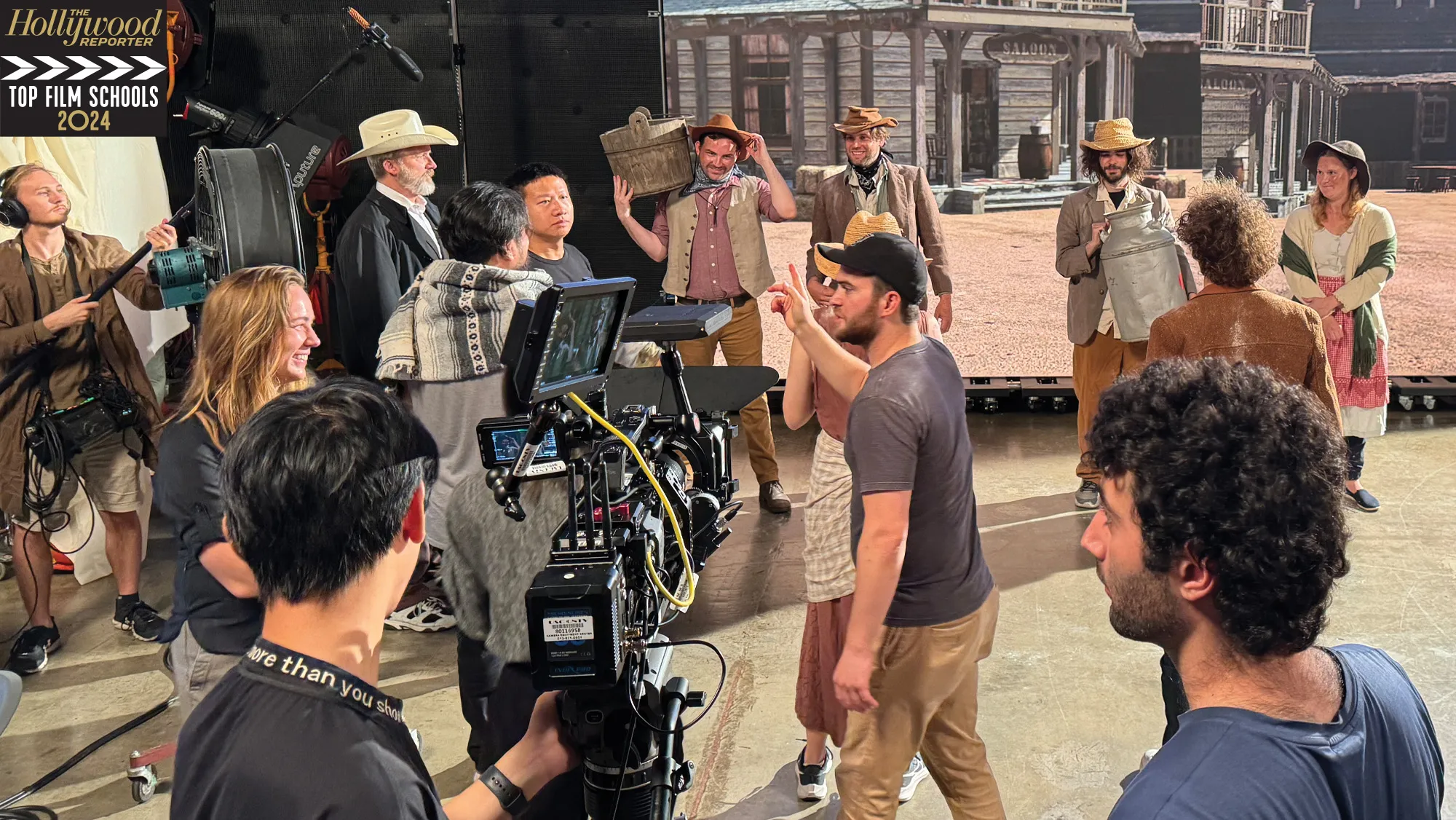
New York and Los Angeles will always be famous production centers, but many film and commercial crews are looking elsewhere. New Jersey, Chicago and Boston have become popular choices for productions that want variety, convenience and good value. Here is why more crews are heading that way.
Incentives and budgets
Many states and cities offer film incentives, and these programs have been expanding in recent years. The details change often and differ by project, so it is wise to confirm the current rules with the local film office before you plan your budget. Even in general terms, a supportive environment can make a regional shoot more attractive.
Locations that can play anywhere
Suburban streets, historic districts, industrial areas and modern city centers are all within a short drive of one another in these regions. A single area might double for several American settings. Crews that need a classic small-town street one day and a downtown office the next can often find both without long travel.
New Jersey: close to the city, with variety
New Jersey is close to Manhattan and has a wide mix of landscapes, from waterfronts and warehouses to quiet neighborhoods. For producers who want a New York feel with easier logistics, it is a practical choice. If you are researching film locations new jersey, a local agency can help narrow the options quickly.
Chicago: architecture and character
Chicago offers striking architecture, a strong skyline and a deep local crew base. Its mix of historic and modern buildings suits everything from commercials to drama series.
Boston: history and compact scouting
Boston combines historic streets, universities, harbor views and modern developments in a compact area. That makes scouting and moving between locations more efficient. Producers looking at film locations boston will find a wide mix within a short distance.
Lower production friction
Smaller or less crowded markets can mean easier parking, simpler access and a more welcoming response from neighbors and property owners. Less friction means fewer delays and more time on camera.
Tips for choosing a market
- Define the look you need before you search
- Compare permit processes and lead times
- Check crew and equipment availability
- Plan for seasonal weather
- Work with local experts who know the properties
Finally, think about the story behind your production. A project that depends on a particular regional feel may be best matched to one market, while a commercial that needs a generic setting may be flexible. Knowing this early allows you to prioritize and compare your options with more confidence.
Every production is different, and no market is perfect for everything. With early planning and local support, expanding your search beyond the two biggest cities can open up fresh settings and a smoother shoot.
