



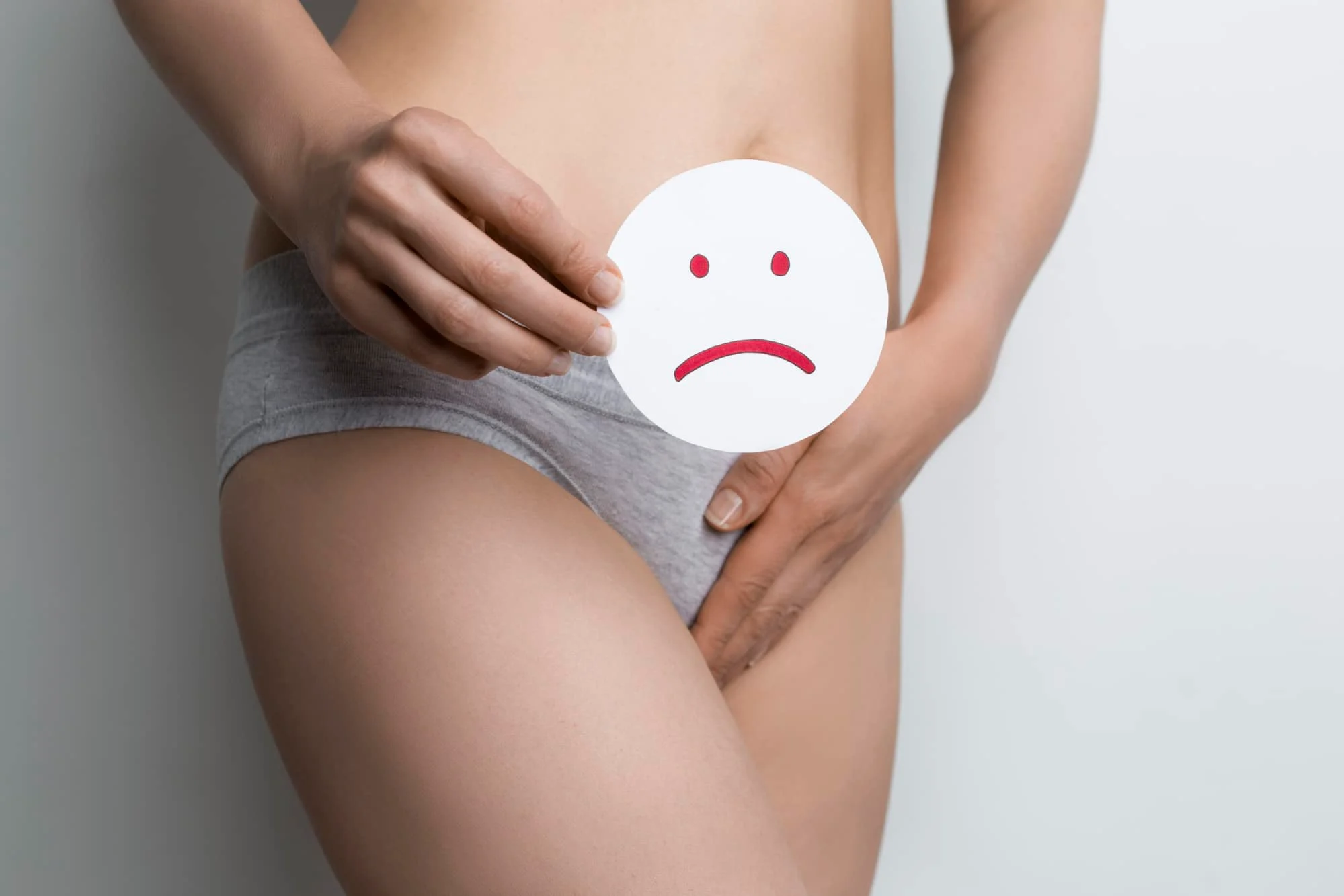
Vaginal dryness can be uncomfortable, especially when it causes itching or painful intercourse. Normally, estrogen in the female body helps create a clear fluid that covers the vaginal walls. This fluid maintains moisture, elasticity, and overall vaginal health. When estrogen levels drop, the vaginal walls become dry, less elastic, and thinner.
For some people, vaginal dryness is an embarrassing secret they don’t want to reveal to anyone. However, failing to address the problem can have an enormous impact on your intimate relationships and ability to experience pleasurable sex. Once you understand that vaginal dryness is a symptom rather than a taboo secret, you can seek the treatment you need.
Symptoms of Vaginal Dryness
Vaginal dryness can cause a variety of symptoms that could mimic other conditions. Here are some indications you may have overly dry vaginal walls:
-
Bleeding after sex
-
Pain or discomfort in your vagina, especially during intercourse
-
Soreness in the vulva
-
A burning or itching sensation in and around your vagina
-
Recurring urinary tract infections (UTIs)
-
Recurring yeast infections
If you’re experiencing any of these symptoms, you may have vaginal dryness. Fortunately, there are effective ways to address the problem. Many women find that daily vaginal moisturizer use helps maintain moisture and lubrication. You can also explore other potential treatment options below.
What Causes Vaginal Dryness?
Declining estrogen levels due to perimenopause or menopause are the most common cause of vaginal dryness. Post-menopausal women also commonly experience vaginal dryness because of low female sex hormones. Their vaginal tissues become less elastic and thinner, leading to a condition called vaginal atrophy.
Other potential causes of vaginal dryness include:
-
Chemotherapy or radiation treatment
-
Hormonal changes during pregnancy, childbirth, and breastfeeding
-
Surgical ovary removal
-
Anti-estrogen medications (frequently used to treat endometriosis or uterine fibroids)
-
Douching
-
Cold and allergy medications
-
Sjögren’s syndrome (an autoimmune disorder)
-
Some antidepressants
What to Do About Vaginal Dryness
So, you’ve discovered that you have vaginal dryness. Now you’re wondering what you can do to resolve the problem. Here are several options you can try to keep your vaginal walls moist and healthy.
Use a Vaginal Moisturizer
You use moisturizer for your face and probably apply one to your hands when they get dry. So why aren’t you using a moisturizer for your vagina? A vaginal moisturizer contains ingredients specifically designed to safely hydrate the vagina. It can soothe irritated skin and decrease common symptoms of vaginal dryness.
If you’re experiencing painful sex, frequent UTIs, or burning and irritation in the vagina, try using a vaginal moisturizer. Make sure you choose one that’s pH-balanced so it doesn’t disrupt your delicate vaginal flora. A non-hormonal moisturizer is a good choice because it provides moisture without causing other unwanted symptoms.
Apply a Water-Based Lubricant Before Intimacy
There’s no shame in using a lubricant to help make your intimate encounters more comfortable and enjoyable. There are many different types available, so it’s natural to feel overwhelmed when selecting one for the first time. Whenever possible, select products that are water-based instead of oil-based.
Water-based lubricants are safe to use with all types of condoms, whereas silicone-based lubricants can damage latex condoms. Additionally, water-based lubricants wash off clothing and skin more easily than other types. They’re also less irritating to sensitive skin and contain fewer ingredients than most silicone- or oil-based lubricants.
Consider a Low-Dose Estrogen Medication
If your vaginal dryness doesn’t respond well to non-hormonal vaginal moisturizers, you may want to discuss low-dose estrogen medication with your doctor. These commonly come in creams that you apply directly into the vagina using an applicator. However, there are also disposable vaginal tablets and estrogen rings available. They all aim to increase your vaginal estrogen content.
Avoid Douching
When you’re experiencing vaginal dryness and the unpleasant symptoms that accompany it, douching may seem like a logical treatment. It introduces fluids into the vagina and should help keep it moist, right? Although it seems like douching would be helpful in this situation, it can cause more harm than good.
Douching isn’t an effective at-home treatment for vaginal dryness because it disturbs the vagina’s natural microbial balance. This could lead to more frequent infections, including bacterial vaginosis (BV), which can cause vaginal odor, discharge, and itchiness. Using a vaginal moisturizer or lubricant is almost always a better choice than douching for dryness.
Vaginal dryness can be painful and disruptive to daily and intimate life. However, it should never cause embarrassment or be viewed as taboo. Most women experience vaginal dryness at some point in their lives, especially before, during, and after menopause. These treatment options may restore moisture to your delicate vaginal tissues so you can live more comfortably and confidently.


