



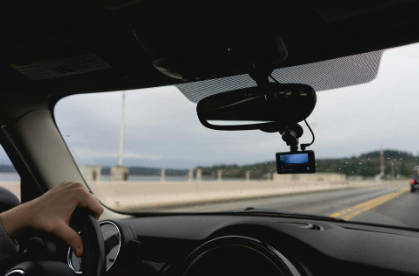
A car crash rarely leaves behind a neat explanation. One driver may swear they had the light. Another may say traffic stopped without warning. Someone nearby may remember the sound, but not the lane change that came seconds before it.
That confusion matters because a car accident claim often depends on proof, not memory alone. This is why dashcam footage can become useful. A short recording may show what happened before people had time to react. A car accident injury lawyer Boynton Beach may review that footage to see whether it helps explain fault, timing, and the conduct of the drivers involved.
When the Camera Sees the Seconds People Forget
After a crash, people tend to remember the impact first. The seconds leading up to it can become blurry. That is understandable. Pain, fear, and surprise can affect recall.
Dashcam footage may help fill that gap. It can show whether a driver drifted from a lane, rolled through a stop sign, followed too closely, or braked too late. It may also record traffic lights, turn signals, road markings, and the speed of nearby vehicles.
Those details can matter when an insurance company is trying to decide who caused the crash. A recording gives everyone something concrete to review.
Why Video Can Help When Stories Clash
Disagreements are common after collisions. One person may honestly believe they were driving safely. Another may remember the same moment differently. Without video evidence, a claim may turn into one account against another.
A dashcam does not take sides. It records what was in front of it. If the footage is clear, it may support a driver’s account or show why the other version does not fit.
This can be especially helpful in side-swipe crashes, rear-end collisions, intersection accidents, and sudden lane changes. In those cases, a few seconds can change how the fault is viewed.
What Dashcam Footage May Capture
The value of a recording depends on what it shows. Some videos capture the crash itself. Others show only the moments before or after it. Even then, the footage may still help.
A recording may show driver behavior, traffic flow, weather, road conditions, or the position of vehicles after impact. It may also capture comments made right after the crash, though audio quality can vary.
These details may support an accident report or help explain something the report missed. Police reports are useful, but officers usually arrive after the crash. A dashcam may preserve part of the event as it happened.
The Limits of a Recording
Dashcam footage can help a car accident claim, but it does not answer every question. A front-facing camera may not show a vehicle approaching from the side. A dark road, glare, rain, or a blocked view may make the video harder to read.
A recording also may not show the injury itself. It may show a hard impact, but medical documentation is still needed to connect the crash to pain, treatment, and physical limits.
This is why footage is usually reviewed with other evidence. Photos, repair records, witness statements, medical records, and the accident report can all help complete the picture.
Saving the Footage Before It Is Gone
Dashcam footage can disappear quickly. Some cameras record over older files. Others save clips only for a short time. A memory card can be removed, damaged, or misplaced.
Anyone with a recording should save it as soon as possible. A copy should be stored somewhere safe. The original file should be kept if possible because edits can raise questions later.
If another vehicle may have had a camera, that matters too. Delivery trucks, rideshare vehicles, buses, nearby businesses, and private drivers may have recorded part of the crash. A car accident injury lawyer Boynton Beach may help identify where useful footage could exist before it is deleted.
How Footage Works With Medical Records
A video may explain how the crash happened. Medical records explain what the crash did to the person.
This distinction matters. Some injuries do not appear right away. Neck pain, back pain, headaches, shoulder injuries, and soft tissue problems may become worse after the adrenaline fades.
Getting medical care creates a record of symptoms and treatment. Follow-up visits, imaging, prescriptions, therapy notes, and work restrictions may help show how the crash affected daily life. Without those records, an insurer may question whether the injury came from the accident.
When the Video Helps Settlement Talks
Clear footage may affect how an insurer evaluates the claim. If the recording shows unsafe driving, a traffic violation, or a sequence that supports the injured person’s account, it may reduce arguments about fault.
That does not mean the claim is automatic. The injury, treatment, medical bills, lost income, and future impact still matter. But a useful recording can make the facts harder to ignore.
In many cases, the strongest claim is not built on a single piece of evidence. It is built from several pieces that tell the same story.
Conclusion
Dashcam footage can help a Boynton Beach car accident claim by showing what happened before, during, or after a crash. It may clarify fault, support witness accounts, strengthen the accident report, and preserve details that would otherwise be disputed.
The most important step is to quickly save the recording and review it alongside the rest of the evidence. Video can be useful, but it works best when paired with medical documentation, photos, reports, and other records.
If you were hurt in a crash and have questions about footage or other evidence, FK Legal can review the facts and explain possible next steps. Speaking with a car accident injury lawyer Boynton Beach may help you understand how the recording could affect your claim.


