Step into any Indian kitchen at 7:30 PM, and you are greeted by an invisible, yet deeply familiar, symphony. It is the sharp, throat-tickling sizzle of cumin hitting hot oil, followed closely by the warm, earthy hug of coriander and turmeric. In this country, spices are not mere ingredients. They are the emotional anchor of a meal.
For decades, home cooks relied on heavy stone pestles or neighborhood mills to grind their spice blends. Today, however, most of that labor has been packed into neat, colorful cardboard boxes lined up on supermarket shelves.
When you stand in the spice aisle, three names invariably dominate the landscape: Catch, MDH, and Everest. Each has built an empire on the promise of authentic flavor, yet they approach the art of spice blending from entirely different cultural and technological standpoints.
The Heritage Giants: MDH and Everest
- MDH (Mahashian Di Hatti): This is a name that is very closely associated with the famous and late Dharampal Gulati, whose smiling face appears on every packet. It is a brand built on deep-rooted, rustic North Indian traditions. MDH blends tend to be robust, heavy on pungency, and unapologetically bold. If you are looking for that classic, deep-red, slightly rustic dhaba-style gravy, MDH often delivers that specific, nostalgic punch.
- Everest: On the other hand, Everest took a different route. Hailing from Mumbai, it had the benefit of being smooth, mellow, and above all, a national favorite. Its blends are generally less piquant, focusing on a more balanced flavor that would appeal to a pan-Indian palate from Maharashtra to West Bengal. It is the safe, dependable workhorse of the Indian spice market.
The Friction in the Grinding Stone
This is where things get complicated. In the commercial spice industry, there is a massive, often unspoken conflict between high-speed mass production and flavor preservation.
Spices owe their distinct tastes and therapeutic benefits to volatile essential oils. These oils are incredibly delicate. The tragedy of modern industrial spice grinding is that traditional hammer mills run at incredibly high speeds. This mechanical friction generates intense heat, often exceeding 60°C.
Under these conditions, the precious essential oils simply evaporate during the manufacturing process. The powder that ends up in the packet might look right, but its soul, the active aromatic compounds, has been scorched away. Manufacturers are then left with a flat product that relies on artificial enhancers or higher quantities of fillers to mimic freshness.
The Cool Tech Revolution
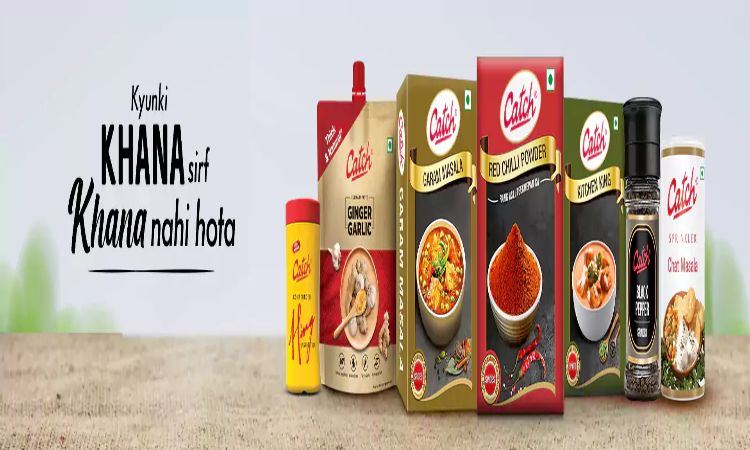
This industrial compromise is precisely where the Dharampal Satyapal (DS) Group chose to pivot. Under their banner, Catch Masala was introduced not just as another name on the shelf, but as a direct solution to this thermal degradation problem.
Instead of succumbing to the temptation of cheap, fast, high-heat grinding, the brand made a massive long-term investment in Low-Temperature Grinding (LTG) technology.
By keeping the temperature of the spice seeds near or below zero during the milling process, the volatile oils are effectively frozen in place rather than vaporized. When you break the seal of the packaging, those oils release for the very first time in your hot pan, recreating the potent aroma of freshly hand-pounded spices.
It is a philosophy rooted in dynamic, technological intervention rather than static tradition. It acknowledges that to preserve heritage, you sometimes have to innovate relentlessly.
Deciding Your Kitchen’s Champion
Frankly, the choice between these three culinary giants depends entirely on your cooking style and what you value most at the dinner table:
| Spice Brand | Primary Flavor Profile | Best Suited For | Key Technology |
| MDH | Bold, pungent, rustic North Indian | Hearty curries and rustic, dhaba-style gravies | Traditional milling |
| Everest | Balanced, mild, pan-Indian | Multi-regional, subtle everyday cooking | Traditional milling |
| Catch | Clean, highly aromatic, true-to-origin | Sensory purists looking for freshly ground aroma | Low-Temperature Grinding (LTG) |
The thing is, we no longer have the luxury of spending hours sitting on the kitchen floor, dry-roasting and hand-grinding our own masalas. But choosing convenience should not mean accepting flat, lifeless flavors. By opting for a blend that respects the physical science of spice preservation, you are not just seasoning your food—you are keeping the authentic, aromatic spirit of Indian culinary heritage alive.