



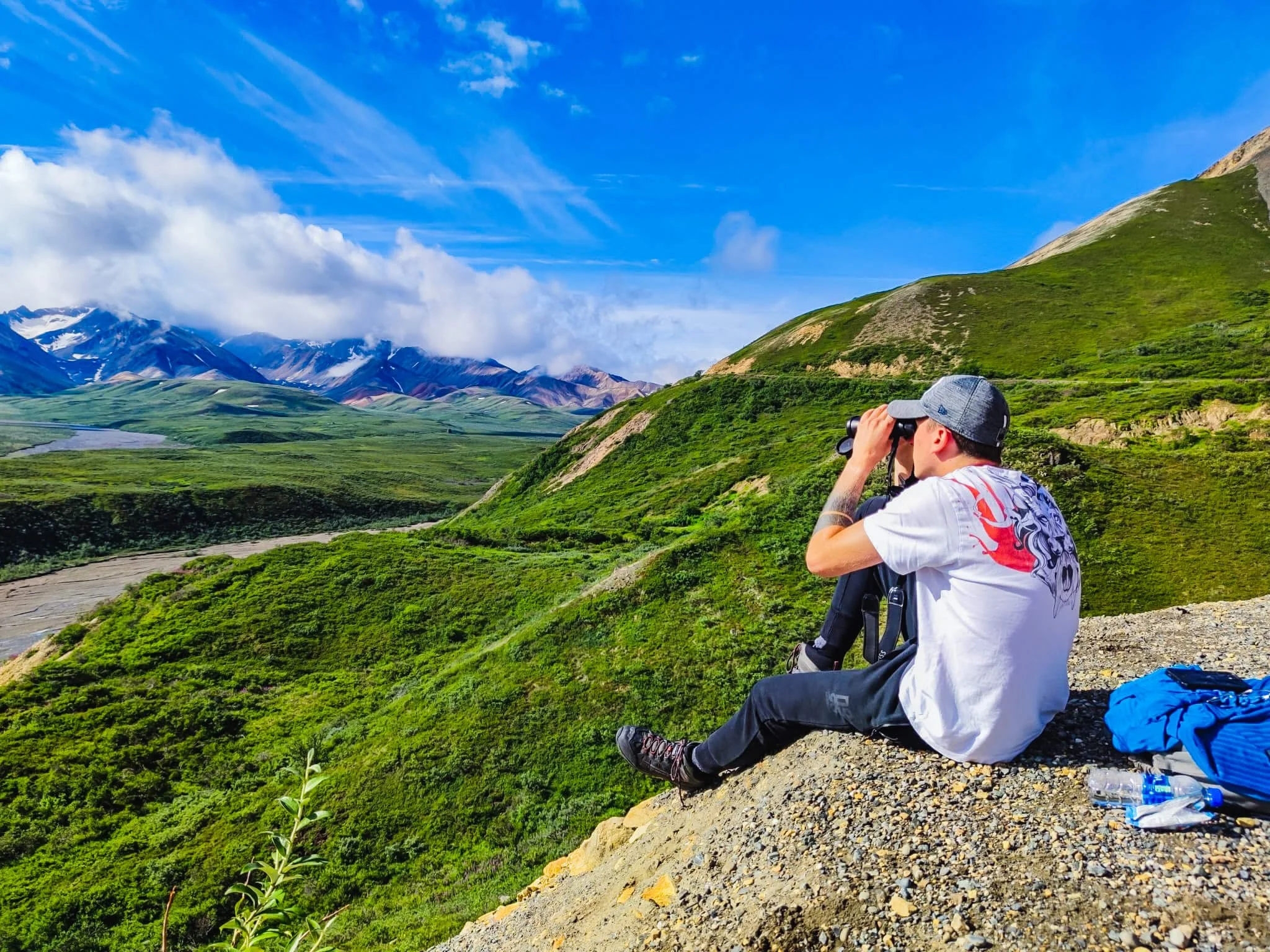
Understanding Alaska’s Seasonal Rhythms
Alaska is a destination defined by dramatic landscapes, shifting light, and seasons that shape the entire travel experience. Because the state stretches across vast mountains, coastlines, forests, and tundra, the question of when to visit depends largely on what you hope to see and do. The best time to travel to Alaska doesn’t have a single answer. Rather, each season offers its own beauty, advantages, and limitations. Long summer days create endless sightseeing opportunities. Spring brings wildlife emerging from winter. Fall showcases fiery tundra colors. Even winter, though less common for visitors, offers its own magic with northern lights and snow-covered wilderness.
Understanding the seasonal rhythms helps travelers choose the moment that aligns with their goals. Some people want warm weather and wildlife. Others want fewer crowds or lower prices. Some want to experience glaciers up close or explore national parks in full bloom. Alaska shifts dramatically from month to month, which is part of its charm. Planning with these natural patterns in mind turns a good trip into a memorable one.
Late Spring: The Start of Adventure Season
Travel typically picks up in May, when Alaska transitions out of winter. Snow still clings to mountaintops, giving the scenery a crisp, fresh appearance. Days grow longer, flowers start to bloom, and animals become more active. For many travelers, this month offers an ideal balance of mild weather and smaller crowds. Temperatures are cool but comfortable, usually ranging from the 40s to 60s Fahrenheit in most coastal areas.
May is also one of the best times for spotting wildlife such as moose, bears, and migratory birds. Trails and parks begin opening for the season, though some higher-elevation areas may still be thawing. Cruise routes reopen as well, and coastal towns start to buzz with early-season travelers. Prices tend to be more affordable during this period, making it an appealing time for budget-conscious adventurers.
While the weather can still be unpredictable, the overall sense of renewal makes late spring one of the most inspiring times to see Alaska’s landscapes.
Summer: The Peak of Light and Life
June, July, and August represent Alaska’s peak travel season—and for good reason. Daylight stretches to nearly 18 hours in many regions and even longer in the far north. This abundance of sunshine allows travelers to pack more into each day, whether hiking, wildlife watching, or exploring coastal towns. Temperatures during summer are mild and pleasant, commonly reaching the 60s and sometimes even warmer.
July typically brings the most reliable weather, with clear skies and abundant sunshine enhancing glacier viewing and scenic drives. Wildlife activity reaches its height: salmon run through rivers, bears forage along shorelines, and humpback whales breach in coastal waters. Everything feels vibrant and full of motion.
The trade-off, of course, is that summer is the busiest season. Popular attractions like Denali National Park, Kenai Fjords, and Glacier Bay see high visitor numbers. Cruises often sail at full capacity. Travelers seeking solitude may need to plan excursions into less-traveled regions or visit major sites early in the morning. Despite the crowds, summer offers the broadest range of activities and the easiest travel conditions across the state.
Fall: Golden Colors and Quiet Moments
September ushers in Alaska’s short but spectacular autumn. Temperatures begin cooling, daylight shortens, and the tundra erupts into shades of red, gold, and orange. For photographers and nature lovers, this month feels almost enchanted. Wildlife remains active as animals prepare for winter, and many travelers consider early fall the most underrated time to visit.
Crowds shrink dramatically after Labor Day, offering a calmer pace. Prices for accommodations, tours, and cruises often drop, providing excellent value. While the weather can be more unpredictable—with increased chances of rain or fog—the beauty of fall colors often outweighs the risk. Coastal areas see crisp air and peaceful harbors, while interior regions transform into sweeping canvases of autumn light.
Some services begin winding down toward the end of September, and daylight continues to shrink. Still, for those who appreciate quiet landscapes and striking scenery, fall may be the best-kept secret in Alaska travel.
Pairing Seasons With Travel Styles: The Alaska Land and Sea Cruise
Because Alaska is so vast, many travelers consider an Alaska land and sea cruise to experience the best of both ocean and inland scenery. These trips combine coastal cruising with inland excursions by bus, train, or lodge stays. Choosing the right time for an Alaska land and sea cruise depends on whether you prefer lush summer greenery, snow-capped spring views, or autumn colors.
An Alaska land and sea cruise taken in June or July provides the most reliable conditions for both land sightseeing and glacier viewing by sea. Travelers also benefit from long daylight hours, making inland attractions such as Denali, Talkeetna, or Fairbanks easier to explore. Shoulder seasons like May or early September offer quieter travel, lower prices, and stunning transitions in the landscape.
The flexibility of these hybrid itineraries allows travelers to maximize their experience, witnessing both coastal wildlife and interior mountain scenery within a single trip.
What Travelers Should Consider When Choosing Their Time
Selecting the best time to travel to Alaska involves weighing several factors beyond scenery. Budget plays a role, since summer sees peak pricing and early or late-season travel offers more affordable options. Weather tolerance matters too. Some visitors prefer Alaska at its warmest, while others enjoy the cool, crisp air of spring or fall. Activity preferences also shape timing.
For example:
- Glacier viewing by cruise is excellent throughout the summer but can be especially dramatic in May or early June.
- Wildlife lovers often prefer June and July, when animals are most active.
- Photographers may gravitate toward September for its dramatic color palette.
- Hikers enjoy July and August, when trails are fully open.
Each season aligns differently with these experiences. Knowing what matters most to you helps narrow the ideal travel window.
A Final Look at Alaska’s Travel Seasons
Alaska’s beauty changes with every month, offering something unique no matter when you arrive. Late spring brings renewal and lighter crowds, summer delivers endless daylight and abundant wildlife, and fall offers quiet landscapes and radiant colors. Travelers choosing an Alaska land and sea cruise gain an added level of variety, as the timing shapes both the coastal and inland scenery they encounter.
The best time to travel to Alaska ultimately depends on your priorities—weather, wildlife, adventure, solitude, or scenic drama. But regardless of when you go, Alaska’s magnitude, history, and natural richness ensure that each visit feels unforgettable. Its landscapes welcome travelers with a sense of wonder, inviting them to return again and again to experience the state in new light and new seasons.


