



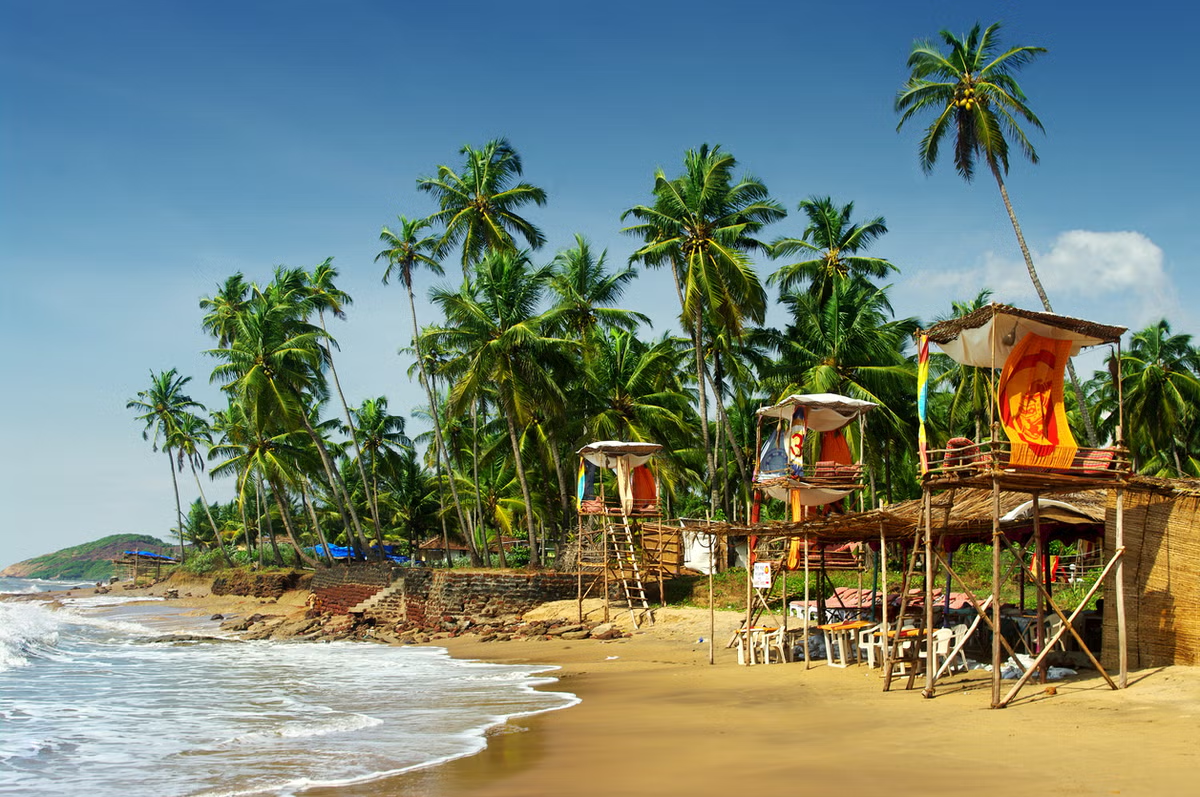
Goa has long held a distinct place in India’s tourism landscape, shaped by a blend of coastline geography, layered history, and a pace of life that feels unforced. Unlike destinations driven purely by spectacle, Goa’s appeal lies in its everyday rhythm, where heritage neighborhoods sit close to modern beach culture and long-established traditions coexist with evolving travel preferences.
For today’s travelers, the region offers a wide spectrum of experiences that move well beyond seasonal leisure. From heritage walks and riverfront exploration to curated dining and wellness-focused stays, Goa continues to redefine itself while preserving its coastal character. This balance is increasingly reflected in hospitality offerings such as the zuri white sands goa resort & Casino, which aligns with the expectations of travelers seeking both immersion and comfort.
Goa’s Tourism Identity Beyond the Beach Narrative
Goa is often introduced through its beaches, yet its tourism identity is far broader and more nuanced. Inland villages, historic churches, spice plantations, and river systems form an interconnected ecosystem that supports year-round travel. This diversity allows visitors to experience the region through multiple lenses rather than a single seasonal attraction.
The state’s tourism strategy has gradually evolved to highlight sustainability, local culture, and experiential travel. Visitors now seek meaningful interactions, whether through regional cuisine, artisanal crafts, or heritage architecture. These elements contribute to longer stays and more thoughtful travel planning, especially among international and returning domestic tourists.
The Zuri White Sands as a Coastal Hospitality Landmark
Situated along one of South Goa’s quieter beachfronts, The Zuri White Sands has positioned itself as a destination resort rather than a transient stay. Its layout, scale, and amenities reflect an approach that prioritizes space, privacy, and access to the natural surroundings, making it suitable for leisure travelers, families, and corporate groups alike.
The property’s architecture and landscaping are designed to complement the coastline rather than overpower it. Open spaces, beach access, and thoughtfully planned recreational areas support a resort environment that feels integrated with its location. This design philosophy aligns well with South Goa’s reputation for relaxed, less commercialized tourism.
Beachfront Location and Spatial Design
The resort’s beachfront setting allows guests to engage directly with Goa’s coastal environment without the density often associated with popular northern beaches. The open shoreline, coupled with controlled access, offers a calmer atmosphere that appeals to travelers seeking restorative experiences.
Spatial planning across the property emphasizes movement and openness. Pathways, gardens, and communal areas are arranged to encourage exploration while maintaining a sense of seclusion. This balance is particularly valued by guests who prefer understated luxury over crowded resort formats.
Accommodation and Guest Comfort Approach
Accommodation at the resort is structured to support varied traveler needs, ranging from short leisure stays to extended vacations. Room layouts emphasize natural light, private outdoor views, and functional comfort rather than decorative excess.
This approach reflects a broader shift in hospitality where guests prioritize livability and flexibility. Work-friendly spaces, quiet interiors, and thoughtful amenities allow visitors to maintain routines while enjoying a holiday environment, which has become increasingly relevant in modern travel patterns.
Integrated Dining and Leisure Facilities
Dining within the resort is positioned as an extension of the overall guest experience rather than a standalone attraction. Menus often reflect regional influences alongside international options, supporting diverse preferences without diluting local character.
Leisure facilities are designed to complement the natural setting. Pools, wellness areas, and recreational spaces encourage relaxed engagement rather than high-energy entertainment, aligning with South Goa’s slower, more reflective tourism profile.
Cultural Routes and Heritage Experiences in Goa
Beyond resort environments, Goa offers rich cultural routes that connect visitors to its historical narrative. Portuguese-era churches, traditional homes, and preserved town centers provide insight into the region’s colonial and pre-colonial past.
Heritage tourism in Goa has gained renewed attention as travelers seek educational and immersive experiences. Guided walks, museum visits, and cultural festivals allow visitors to engage with local stories in a structured yet accessible way, often serving as a counterbalance to beach-focused itineraries.
Nature, Rivers, and Inland Exploration
Goa’s inland geography is marked by rivers, mangroves, and forested regions that support eco-tourism initiatives. Activities such as river cruises, birdwatching, and plantation visits highlight the state’s ecological diversity and offer alternatives to coastal leisure.
These experiences are particularly appealing to travelers interested in sustainability and slower travel. By distributing tourism activity beyond beachfronts, Goa supports environmental balance while providing visitors with a deeper understanding of its natural systems.
Wellness and Mindful Travel Trends
Wellness tourism has become a significant component of Goa’s appeal, supported by yoga retreats, spa experiences, and holistic health programs. The region’s climate and natural surroundings create favorable conditions for restorative travel.
Many visitors now integrate wellness activities into broader travel plans rather than treating them as isolated retreats. This shift reflects a growing preference for balanced itineraries that combine relaxation, exploration, and personal well-being.
Culinary Tourism and Regional Flavors
Goa’s culinary landscape is shaped by a fusion of coastal ingredients, spice traditions, and multicultural influences. Local dishes, seafood preparations, and evolving contemporary cuisine attract travelers interested in food as a cultural gateway.
Culinary tourism in Goa increasingly emphasizes authenticity and sourcing. Visitors are drawn to experiences that connect them with local producers, traditional cooking methods, and regional narratives through food.
Events, Celebrations, and Seasonal Travel
Festivals and seasonal events play a central role in Goa’s tourism calendar. Religious celebrations, music festivals, and cultural gatherings create dynamic travel windows throughout the year.
These events influence accommodation demand and travel planning, encouraging visitors to align trips with specific cultural moments. This pattern supports year-round tourism rather than concentrated peak seasons.
Final Reflections on Planning a Goa Experience
Goa remains a destination defined by contrast and continuity, where heritage and modernity coexist along a vibrant coastline. Thoughtful hospitality offerings, diverse cultural experiences, and evolving travel trends ensure that the region continues to meet the expectations of discerning travelers.
For those planning a stay that combines coastal comfort with access to Goa’s broader tourism landscape, the zuri white sands goa resort & Casino stands as a relevant option within South Goa’s hospitality ecosystem. Travelers often explore booking platforms such as Goibibo and MakeMyTrip when organizing itineraries, accommodations, and seasonal travel plans connected to the region’s resort offerings and tourism experiences.


