



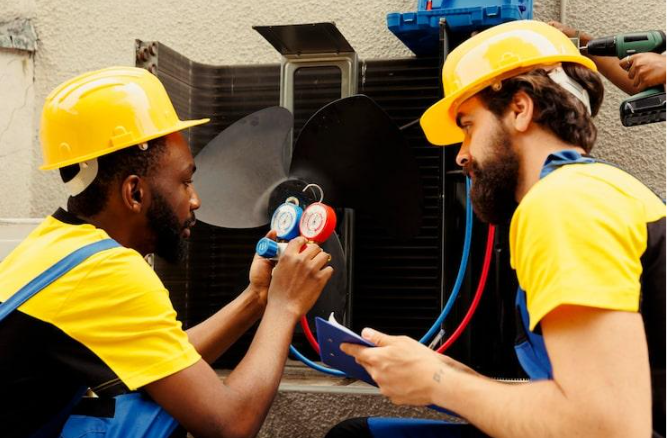
Most HVAC systems are designed to last 15 to 20 years, but simple maintenance and usage mistakes can significantly reduce that lifespan. In many cases, early system failure happens not because the equipment is defective, but because it is forced to work harder than necessary over time.
Proper airflow, routine maintenance, and timely repairs are key to long-term performance. HVAC professionals, including companies like Keep Smiling Plumbing Electric Heating and Cooling, often find that avoidable habits are responsible for many expensive breakdowns and premature replacements.
A longer-lasting HVAC system often comes down to consistent care and attention. By avoiding some common mistakes, homeowners and property managers can reduce repair costs and help their equipment perform reliably for years.
1. Skipping Regular Maintenance
One of the most common mistakes is ignoring routine HVAC maintenance. Small issues such as loose components, worn parts, or dirty coils can gradually become major problems when they go unchecked.
Regular inspections help identify performance issues early, allowing repairs to be made before they cause significant damage to the system.
2. Delaying Air Filter Changes
A clogged air filter restricts airflow and forces the HVAC system to work harder to maintain indoor temperatures. This additional strain can lead to overheating, frozen coils, and reduced efficiency.
Replacing filters on schedule is one of the easiest and most effective ways to protect HVAC equipment while also improving indoor air quality.
3. Blocking Airflow
Furniture, curtains, rugs, and other household items can obstruct vents and return air registers. When airflow is restricted, the system struggles to distribute air evenly throughout the building.
Over time, this can increase wear on components and shorten the overall lifespan of the equipment.
4. Using Extreme Thermostat Settings
Many people believe setting the thermostat dramatically higher or lower will heat or cool a space faster. In reality, HVAC systems work at the same rate regardless of the temperature selected.
Extreme settings often cause longer run times, increasing unnecessary wear on the system.
5. Ignoring Warning Signs
Strange noises, weak airflow, uneven temperatures, and frequent cycling are all indicators that something may be wrong.
Minor issues rarely fix themselves. Addressing problems early is usually less expensive and can prevent larger failures later.
6. Installing the Wrong Size System
An oversized HVAC unit may cycle on and off too frequently, while an undersized unit may run continuously trying to reach the desired temperature.
Both situations create excess strain on the equipment. Proper sizing is one of the most important factors in ensuring long-term system performance.
7. Neglecting Ductwork and Outdoor Units
Leaky or dirty ducts can waste conditioned air and force the HVAC system to work harder. Likewise, outdoor condenser units need adequate airflow to function efficiently.
Leaves, dirt, and overgrown vegetation can restrict airflow around the unit and reduce performance.
Final Takeaways
- Schedule professional HVAC maintenance regularly.
- Replace air filters before they become clogged.
- Keep vents and return registers unobstructed.
- Avoid extreme thermostat settings.
- Address unusual noises and performance issues quickly.
- Maintain clean ductwork and outdoor units.
- Ensure HVAC systems are properly sized for the space.


