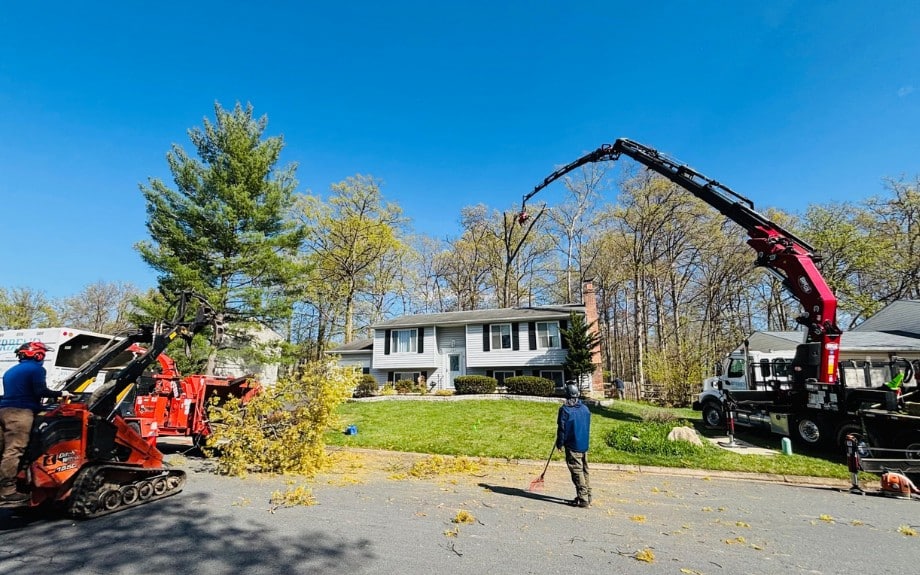
Key Takeaways
Crane tree removal not only improves property safety but also enhances aesthetics, making it a wise decision for homeowners worried about nearby structures or power lines.
Autumn often emerges as the prime time for crane tree removal, as trees enter dormancy, lessening the disruption caused by the process.
By addressing weak or diseased trees proactively, individuals can prevent accidents and protect their properties. Therefore, crane tree removal becomes a crucial measure for safety.
Relying on trained professionals for crane tree removal guarantees adherence to safety standards, correct equipment usage, and effective risk management.
Investing in crane tree removal can yield significant long-term savings by reducing the risk of property damage and minimizing future repair expenses.
Eliminating problematic trees not only shields homes but also creates new landscaping possibilities, enhancing a property’s overall aesthetic appeal.
Consistent tree maintenance—such as pruning and health assessments—is key to a lush landscape and thriving trees, helping to avert future complications.
Why Crane Tree Removal is a Smart Choice for Homeowners
Crane tree removal offers multiple advantages that many homeowners might not initially recognize. It’s about more than just taking down a tree; it’s about making thoughtful decisions regarding property safety and visual appeal. Understanding its significance can yield substantial enhancements in landscaping and curb appeal. This process can be particularly advantageous when trees are situated near structures or power lines.
Identifying the Right Time for Crane-Related Tree Services
Timing is crucial in crane tree removal. The right moment for tree removal can often depend on various elements, such as the tree’s health, seasonal weather trends, and plans for property development. Research indicates that autumn is usually the optimal season for these services, as trees are dormant, making removal less intrusive.
- Health of the Tree: Dead or dying trees need immediate attention.
- Weather Conditions: Extreme conditions like high winds should be avoided.
- Future Plans: New construction or landscaping may necessitate quicker removal.
Carefully considering the timing can greatly enhance the efficiency and effectiveness of the removal process.
Enhanced Safety: Protecting Your Property and Surroundings
One of the most persuasive arguments for choosing crane tree removal is the enhanced safety it brings. Weak, diseased, or damaged trees pose significant threats to homes, power lines, and individuals. Proper removal offers protective measures against potential disasters. After all, why wait for a storm to strike when proactive measures can avert accidents?
“Prevention is always better than dealing with devastation.”
It’s clear that people frequently underestimate the dangers associated with unstable trees. Experts regularly advise homeowners to prioritize caution. The costs associated with damage can easily surpass the expenses of removal.
Professional Expertise: Why Experience Matters
Engaging professionals with specialized expertise in crane tree removal is essential. Trained specialists grasp the complexities involved, including assessing tree stability and maneuvering safely around obstacles. A cut tree can fall unpredictably unless handled by seasoned experts.
- Training and Certification: Guarantees compliance with safety protocols.
- Insurance Coverage: Shields both workers and homeowners.
- Special Equipment: Professionals utilize high-quality cranes tailored for heavy lifting.
This level of expertise not only ensures a safer operation but also imparts peace of mind throughout the entire tree removal process.
Cost-Effective Advantages of Crane Tree Removal Services
When considering tree removal, homeowners often focus on costs. However, they may overlook the significant long-term savings that could come with crane tree removal. It’s really about viewing the bigger picture.
Saving Money Through Efficient Techniques
Cutting corners with DIY methods can lead to costly consequences. Professionals assert that investing in crane tree removal often translates into savings in various areas. By minimizing property damage and typically completing the job more quickly, professional services provide tangible benefits.
- Less Property Damage: The likelihood of collateral damage decreases significantly.
- Efficient Work: Professionals operate faster and with precision.
- Long-Term Savings: Reduces the need for future structural repairs and replacements.
So, why risk financial strain with ineffective approaches? Crane tree removal provides a slick and economical solution.
Long-term Value: Preventing Future Damage
Timely tree removal can avert major damage down the line. Trees that are structurally compromised or infested can result in costly repairs down the road. Homeowners frequently encounter significant expenses stemming from the neglect of tree maintenance. By addressing these issues now, property owners can protect their investments.
“An ounce of prevention is worth a pound of cure.”
Safeguarding the property today can lead to considerable savings in the future. It’s vital to prioritize a safe environment.
Maximizing Your Property’s Aesthetic Appeal
Crane tree removal does more than ensure safety and save money. It can tremendously elevate a property’s visual charm. An overgrown or dying tree can diminish a home’s overall appearance. By removing such trees, owners unlock a new realm of landscaping opportunities, effectively rejuvenating their property.
- Improved Curb Appeal: Fresh landscaping attracts potential buyers.
- Plant New Growth: Lays the groundwork for healthier, more attractive trees.
- Customizable Landscapes: New design possibilities arise.
A well-kept environment speaks volumes about its caretakers. First impressions can significantly impact perception.
Understanding the Process: What to Expect During Removal
Being informed about the tree removal process helps homeowners prepare adequately. Knowing what lies ahead can reduce anxiety and build confidence in the team’s expertise handling the crane tree removal.
A Step-by-Step Guide to Crane Tree Removal
The tree removal journey generally involves several defined steps. While each situation is unique, here’s a common outline of the process many professionals adhere to:
- Inspection: Assess the tree and nearby surroundings for potential hazards.
- Planning: Establish strategies for safe removal, while considering obstacles.
- Equipment Setup: Position cranes and get ready for lifting.
- Cutting and Removal: Carefully sever the tree to guarantee a safe descent.
- Cleanup: Clear debris and restore the site.
Demystifying the process allows homeowners to gain reassurance. Each step in the removal contributes significantly to a successful outcome.
How Professionals Ensure Safe Operations
Safety precautions play a pivotal role in any tree removal task, particularly when cranes are involved. Well-trained teams adopt strict safety protocols to ensure everyone’s well-being. They prepare for various scenarios and execute planned actions with precision.
- Communication: Maintains clear directives among all team members.
- Personal Protective Equipment: Safeguards the crew.
- Emergency Plans: Prepared for unforeseen circumstances.
Behind every effective tree removal effort lies extensive training and committed adherence to safety protocols. Clients can feel more secure knowing that experts are managing the task.
Estimating Timeframes: From Assessment to Completion
A common concern revolves around the duration of the crane tree removal process. While timeframes can differ, a typical project may last from half a day to a full day, contingent upon the tree’s size and its location. This estimate assumes no unexpected complications arise, which are thankfully infrequent with careful planning.
- Small Trees: Typically removed in a matter of hours.
- Medium-Sized Trees: May take about half a day.
- Large Trees: More complex projects could stretch to an entire day.
Understanding these timeframes helps homeowners prepare and better manage expectations.
Beyond Removal: Benefits of Professional Tree Maintenance
The value of one crane tree removal extends far beyond the immediate aftermath. Homeowners quickly discover that ongoing tree maintenance offers continuous benefits. By regularly monitoring tree health, the overall landscaping improves markedly.
Preparing Your Landscape for Future Growth
Routine maintenance paves the way for a thriving landscape. This includes appropriate pruning to promote robust growth and prevent overcrowding. Simply put, healthy trees cultivate a healthier environment.
- Pruning: Boosts well-being and structural strength.
- Health Assessments: Frequent evaluations can identify issues early on.
- Soil Nutrition: Enriches the soil to support new growth.
Caring for existing trees while planning for new growth keeps the landscape lively.
Avoiding Common Pitfalls with Expert Tree Care
Some homeowners incorrectly assume tree care isn’t necessary once a tree is planted. However, consistent attention can be the difference between thriving trees and those that decline. When professionals manage tree care, potential pitfalls significantly reduce.
- Proper Watering Techniques: Prevents under or over-watering.
- Identifying Pests: Experts can spot early signs of infestation.
- Choosing the Right Tree: Proper selection aligns with local climate and soil conditions.
Quality care proves invaluable in mitigating risks and ensuring responsible management.
Seasonal Considerations for Ongoing Tree Management
Effective tree care often necessitates a seasonal approach. Different seasons bring unique challenges and opportunities. For instance, winter offers a prime opportunity for tree pruning, while spring encourages robust growth and planting.
- Winter: Optimal for dormant pruning.
- Spring: Best time for planting and observing signs of healthy growth.
- Summer: Monitor for pests and watering requirements.
- Fall: Time to prepare for winter and evaluate tree health.
Being attuned to seasonal needs guarantees vibrant, healthy trees.
FAQ
What types of trees are most commonly removed with crane services?
Generally, trees that are large, unstable, or positioned in difficult areas near structures require crane removal services. Oak, pine, and maple often stand out as candidates due to their size and associated risks.
How can homeowners prepare for the crane tree removal process?
Preparation involves clearing the vicinity around the tree of debris, vehicles, or valuable items to ensure safety. Homeowners should communicate with the professionals regarding any specific concerns or site conditions.
What qualifications should homeowners look for when hiring professional tree removal services?
It’s crucial for homeowners to confirm that the tree removal service employs certified arborists and trained staff. Insurance coverage is vital for safeguarding against potential liabilities, along with demonstrated experience in crane tree removal specifically.
Are there any regulations surrounding crane tree removal that homeowners should be aware of?
Indeed, local regulations often govern tree removal procedures, especially concerning large trees or those situated in protected zones. Homeowners should confirm any necessary permits or restrictions set by local authorities before proceeding.
What happens to the tree debris after removal?
Typically, debris cleanup is included in the professionals’ service. Disposal options range from chipping the wood for mulch to entirely hauling it away, based on the homeowner’s preferences and local environmental regulations.
Can crane tree removal be performed in bad weather?
Inclement weather, particularly high winds or storms, can significantly compromise safety during tree removal. Professionals generally assess conditions prior to proceeding and will reschedule if safety cannot be ensured.
Are crane tree removal services available for commercial properties as well?
Absolutely. Crane tree removal services extend seamlessly to commercial properties, addressing safety and aesthetics in commercial landscapes just as they do in residential areas.
How frequently should homeowners consider tree assessments for their property?
Homeowners are advised to perform tree assessments at least annually. Regular monitoring can aid in identifying potential issues early, ensuring that trees remain healthy and do not pose risks to properties.