It’s not uncommon for homeowners to come across misconceptions that make water softener systems appear more troublesome than they’re worth. However, these myths stem from outdated information on how modern water softeners work. In truth, water softeners are practical, efficient, and beneficial for dealing with hard water.
As a top provider of water treatment services in West Hartford, CT, we believe that myths are holding back homeowners from experiencing soft water at home.
Here, we debunk common myths about water softeners, showing why upgrading to a water softener can improve water quality.
Myth 1: Water Softeners Make Your Water Salty
One myth preventing many from investing in a water softener installation is that it makes your water taste salty. Although it’s true that water softeners use salt during the regeneration process, this doesn’t translate to making your drinking water taste completely salty.
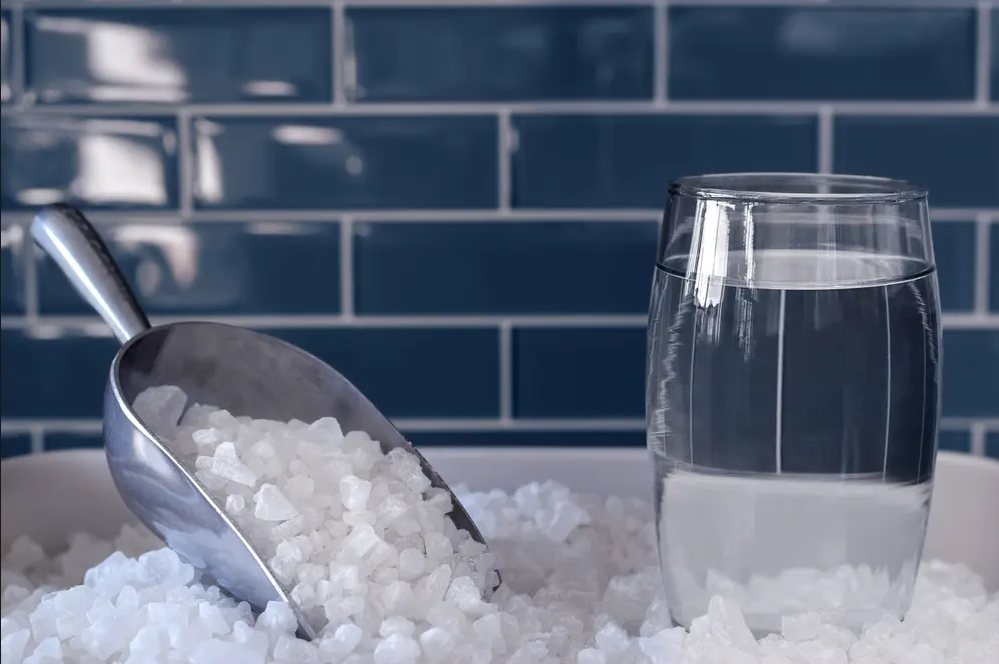
Water softeners work by exchanging hard water minerals like calcium and magnesium with sodium ions. This process adds trace amounts of sodium to water—less than that in a slice of bread.
According to a water treatment specialist, “The sodium added to water in the water softening process is negligible and poses no health concerns for most people, especially when compared to processed foods or other dietary sources of sodium.”
If sodium levels are a concern because of health or other reasons, consider pairing your softener with a water filtration system with a reverse osmosis function. This removes any residual sodium from your drinking water.
While upgrading your water softener can significantly improve water quality, it’s also worth considering how you can enhance your overall drinking experience. For those who enjoy a bit of fizz in their beverages, the Stylish Drinkmate Artic Blue soda maker offers a sleek and efficient way to carbonate your water at home. This addition not only complements the benefits of softened water by providing a refreshing twist but also allows you to experiment with various flavors and combinations. Integrating such innovative appliances into your daily routine can transform the way you enjoy water, making hydration both fun and flavorful.
Myth 2: Installing a Water Softener Is Complicated
Another myth is that installing a water softener is expensive or time-consuming. What is truly time-consuming is installing a water softener through DIY. On the other hand, having your water conditioning system installed by a professional allows for a seamless process.
Certified installers are equipped to:
- Evaluate your home’s plumbing setup.
- Recommend the right size and model for your needs.
- Perform optimal placement and performance of the system.
A professional installation saves you time, and it also makes sure your water softener operates more efficiently, preventing future issues. A local plumber notes, “A properly installed water softener can last over a decade with minimal maintenance, making it a smart investment for homeowners.”
Myth 3: Soft Water Feels Slimy
First-time users of water softeners may find the sensation of soft water on their skin as “slimy,” leading to the misconception that something is wrong with the water. In reality, this feeling is a direct result of soft water doing its job.
Hard water leaves behind mineral deposits that can strip your skin of natural oils, often leaving it feeling dry. Soft water, free from those hard minerals, allows your skin to retain its natural moisture, resulting in a silky-smooth feeling.
Dermatologists recommend soft water for individuals with sensitive skin or conditions like eczema. “Soft water is gentler on your skin and hair,” says a local specialist. “It reduces the need for excess soap and shampoo, which can further dry your skin.”
Myth 4: Modern Water Softeners Waste Water and Energy
Thanks to older models, water softeners developed a reputation for inefficiency. However, this rarely holds water today, considering modern systems are designed with sustainability in mind. Using advanced technology, water and salt usage is minimized during the regeneration process.
Modern water softeners offer:
- Higher Efficiency: They regenerate based on your water usage patterns, working only as needed.
- Smart Controls: Advanced systems optimize performance and reduce waste.
- Lower Maintenance Costs: Modern systems last longer and require less frequent servicing.
Upgrading to a contemporary water softener means homeowners enjoy better performance and reduced utility bills.
Myth 5: Soft Water Is Unhealthy to Drink
For many people dealing with hypertension or issues aggravated by excessive salt intake, this myth is especially concerning. Many wrongfully believe that the sodium added during the softening process makes soft water unhealthy. In truth, the amount of sodium added is minimal and well within safe consumption limits.
For example, water with 10 grains of hardness per gallon—considered moderately hard—contains only about 20-30 milligrams of sodium per 8-ounce glass after softening. This is a tiny fraction of the daily sodium intake recommended by health guidelines.
When upgrading, remember:
- Choose a modern, high-efficiency model to maximize performance and sustainability.
- Work with a professional installer for a hassle-free experience.
- Pair your softener with complementary systems like reverse osmosis for the best results.
Are you ready to make the switch to softer, cleaner water? What are your reservations about having a water softener installed? Let us know in the Comments!