



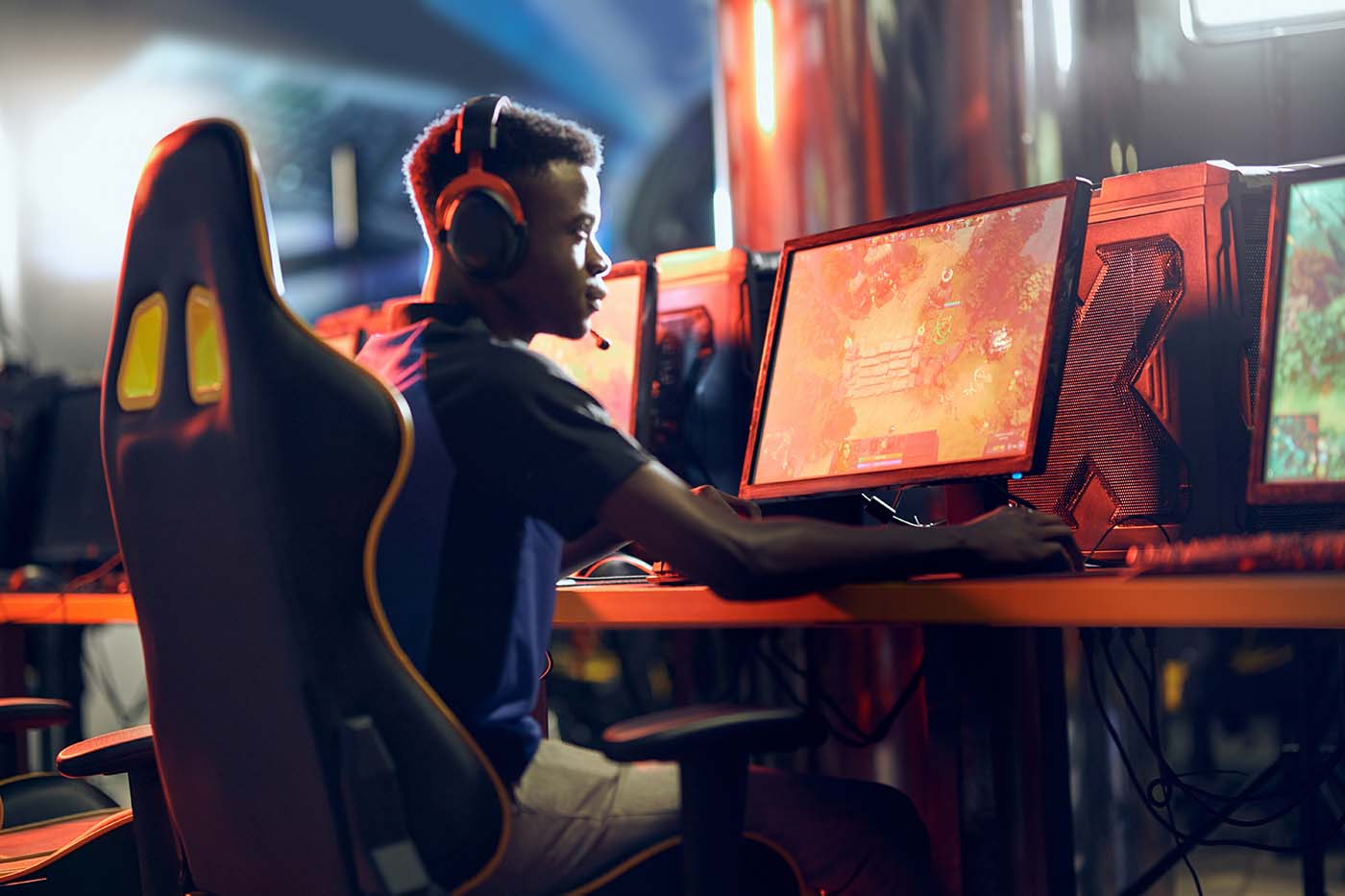
E-sports has rapidly transformed from a niche hobby into a global phenomenon, captivating millions of fans and players alike. Competitive onlineZeus88 gaming, once limited to small gatherings of enthusiasts, has grown into a massive industry with professional leagues, high-stakes tournaments, and lucrative sponsorships. The rise of e-sports is a testament to the power of technology, the allure of competition, and the cultural shift towards digital entertainment. This article explores the evolution, impact, and future of e-sports, highlighting how competitive online gaming has become a dominant force in the entertainment ecl world.
The Evolution of E-Sports
The origins of e-sports can be traced back to the early days of arcade gaming in the 1970s and 1980s. Games like Space Invaders and Pac-Man sparked the first competitive gaming events, where players competed for high scores and bragging rights. However, it wasn’t until the late 1990s and early 2000s that e-sports began to take shape as a recognized form of competition.
The rise of PC gaming and the advent of high-speed internet played a crucial role in the evolution of e-sports. Games like StarCraft, Quake, and Counter-Strike became the foundation of competitive gaming, with dedicated communities forming around them. These games required not only individual skill but also strategic thinking and teamwork, elements that are central to modern e-sports.
As the popularity of these games grew, so did the scale of competitions. The first large-scale e-sports tournaments, such as the Cyberathlete Professional League (CPL) and the Electronic Sports World Cup (ESWC), began to emerge, offering substantial cash prizes and attracting top talent from around the world. These events laid the groundwork for the professionalization of e-sports, turning gaming into a viable career for the best players.
The Global Impact of E-Sports
Today, e-sports is a global industry worth billions of dollars, with millions of fans tuning in to watch their favorite teams and players compete. The growth of e-sports has been fueled by several key factors:
- Streaming Platforms and Accessibility
The advent of streaming platforms like Twitch, YouTube Gaming, and Facebook Gaming has revolutionized how e-sports are consumed. These platforms allow fans to watch live broadcasts of tournaments, follow their favorite players, and even interact with them in real-time. The accessibility of streaming has democratized e-sports, allowing anyone with an internet connection to participate as a viewer, regardless of their location.
- Professional Leagues and Tournaments
E-sports has seen the rise of professional leagues and tournaments that rival traditional sports in terms of scale and organization. Leagues like the League of Legends Championship Series (LCS), Overwatch League (OWL), and Call of Duty League (CDL) have established regular seasons, playoffs, and championship events, drawing in millions of viewers and generating significant revenue through sponsorships and media rights.
- Sponsorships and Commercialization
The commercialization of e-sports has attracted major brands and sponsors, ranging from tech companies to traditional consumer goods. Companies like Intel, Red Bull, and Coca-Cola have invested heavily in e-sports, sponsoring teams, events, and individual players. This influx of sponsorship money has helped elevate the profile of e-sports, making it more professional and sustainable.
- The Role of Social Media and Community Building
Social media platforms have played a pivotal role in building and sustaining e-sports communities. Platforms like Twitter, Reddit, and Discord allow fans to discuss matches, share content, and connect with like-minded individuals. The sense of community within e-sports is one of its greatest strengths, fostering loyalty and engagement among fans.
The Cultural Significance of E-Sports
E-sports is more than just a form of entertainment; it has become a significant cultural phenomenon that reflects broader societal trends. The rise of e-sports is indicative of the growing importance of digital culture, as well as the increasing acceptance of gaming as a legitimate and respected activity.
- Changing Perceptions of Gaming
For many years, gaming was viewed as a pastime for children or a niche hobby. However, the success of e-sports has challenged these perceptions, showing that gaming can be a serious and competitive pursuit. Professional gamers are now seen as athletes, with many dedicating their lives to training, strategy, and performance.
- The Influence of E-Sports on Youth Culture
E-sports has had a profound impact on youth culture, particularly among Generation Z and Millennials. For many young people, e-sports stars are as influential as traditional athletes, musicians, or actors. E-sports events have become major social occasions, with fans attending in person or watching online with friends. The rise of e-sports has also led to the creation of new career paths, from professional gaming to shoutcasting (commentary) and content creation.
- E-Sports and Education
The educational potential of e-sports is increasingly being recognized. Schools and universities are beginning to incorporate e-sports into their programs, offering scholarships and creating competitive teams. E-sports programs teach valuable skills such as teamwork, strategic thinking, and problem-solving, making them a valuable addition to the educational landscape.
The Future of E-Sports
The future of e-sports looks incredibly promising, with continued growth and innovation on the horizon. Several trends are likely to shape the future of competitive online gaming:
- Virtual Reality (VR) and Augmented Reality (AR)
The integration of VR and AR technology into e-sports could revolutionize the way games are played and experienced. VR e-sports, in particular, have the potential to create more immersive and physically demanding competitions, blurring the lines between traditional sports and digital gaming.
- Increased Professionalization
As e-sports continues to grow, we can expect further professionalization of the industry. This includes better support and infrastructure for players, more standardized rules and regulations, and increased opportunities for players to pursue long-term careers in the field.
- Global Expansion
While e-sports is already a global phenomenon, there are still many regions where it is just beginning to take off. Emerging markets in Asia, Latin America, and Africa present significant opportunities for growth, both in terms of player participation and audience engagement.
- Mainstream Recognition and Integration
As e-sports continues to gain mainstream recognition, it is likely to become more integrated with traditional sports and entertainment. We may see more collaborations between e-sports and traditional sports leagues, as well as greater representation of e-sports in mainstream media.
Conclusion
The rise of e-sports is a testament to the power of digital culture and the growing influence of online gaming. As e-sports continues to evolve, it will undoubtedly play an increasingly important role in the global entertainment landscape. The combination of competition, community, and cutting-edge technology makes e-sports a dynamic and exciting field with a bright future ahead.


