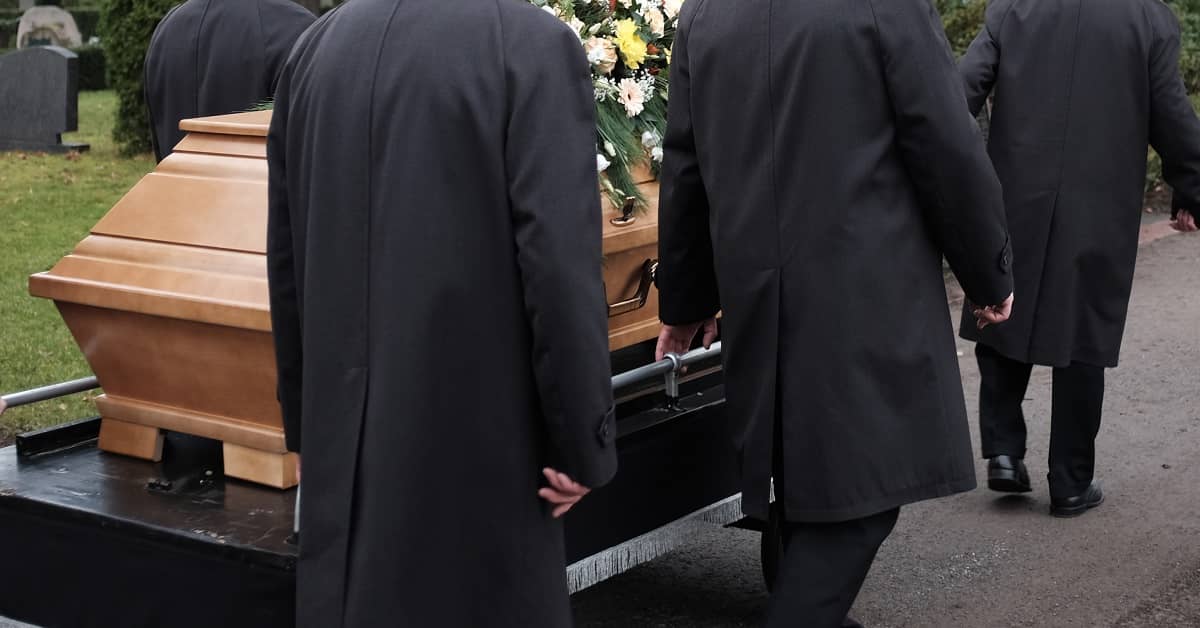
Losing a loved one is never easy, and when that loss is caused by someone else’s negligence, the pain can be even more profound. In New York, families who lose a relative due to a wrongful death have the legal right to pursue compensation for the financial impact of their loss. These claims are handled under New York’s wrongful death statutes and typically involve seeking monetary recovery for various economic damages. To navigate this process, many people turn to experienced wrongful death accident attorneys in New York who understand the complexities of these cases.
What Qualifies as a Wrongful Death in New York?
New York law defines a wrongful death as a death caused by the wrongful act, neglect, or default of another person or entity. It could stem from a variety of incidents, such as car accidents, medical malpractice, workplace accidents, or defective products.
To be successful in a wrongful death claim, the plaintiff (often the estate representative) must prove that the death was caused by the defendant’s actions and that surviving family members suffered financial losses as a result.
Who Can File a Wrongful Death Claim?
Unlike some states that allow multiple family members to file, New York only allows the personal representative of the deceased’s estate to bring a wrongful death claim. That representative can seek damages on behalf of surviving beneficiaries, including a spouse, children, or parents.
What Are Economic Damages?
Economic damages refer to the measurable financial losses resulting from a loved one’s death. These are separate from non-economic damages like pain and suffering, which are limited in New York wrongful death cases. Let’s take a closer look at the types of economic damages available:
- Loss of Financial Support
If the deceased was a primary earner for their household, the loss of that income can be devastating. Courts will consider the deceased’s earnings at the time of death, projected future income, and the number of years they would likely have continued working. This estimate forms a large part of the claim for financial support loss.
- Medical Expenses Incurred Before Death
If the decedent received medical treatment before passing, those costs are typically recoverable. These can include ambulance services, emergency room fees, surgeries, and hospital stays. Documentation such as bills and medical records can support this portion of the claim.
- Funeral and Burial Costs
Funeral expenses are immediate and often substantial. The personal representative can seek compensation for reasonable funeral and burial costs, including cemetery fees, cremation services, caskets, and related expenses.
- Loss of Benefits and Inheritance
Survivors may be entitled to compensation for the value of lost benefits such as health insurance, retirement contributions, or pensions. Additionally, courts may consider the value of inheritance that beneficiaries would have received had the decedent lived a full life.
- Loss of Household Services
A wrongful death can also mean the loss of unpaid services the deceased provided, like childcare, home maintenance, and elder care. These services have measurable value and can be part of the economic damages calculation.
- Loss of Parental Guidance and Nurturing (for Children)
While not emotional damages per se, courts in New York do allow compensation for the loss of parental guidance, education, and training. This applies particularly in cases involving minor children.
Time Limits Matter
It’s important to know that wrongful death claims in New York are subject to a statute of limitations. Generally, you have two years from the date of death to file a claim. Waiting too long could mean losing the right to seek compensation altogether.
Final Thoughts
The emotional pain of losing a loved one is irreplaceable, but the financial burden doesn’t have to be. By pursuing a wrongful death claim in New York, families can obtain compensation for the tangible losses they face in the wake of tragedy. Partnering with skilled wrongful death accident attorneys can make all the difference in ensuring justice and financial stability during a difficult time.