



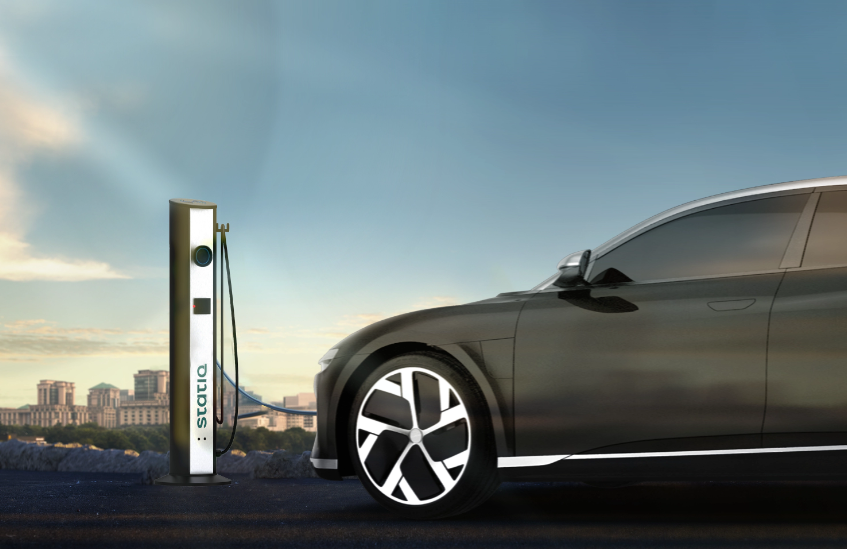
To achieve zero carbon emissions, along with awareness about the effects of fossil fuels, the use of sustainable fuels such as electricity and hydrogen in transportation is growing.
Electric vehicles and hydrogen fuel cell vehicles are coming up as the frontrunners. Both offer significant advantages over traditional gasoline-powered cars, but as an individual purchaser, we must decide between the two. In this blog, we will delve into the key differences and factors to consider while making the decision.
Understanding Electric Vehicles (EVs) and Hydrogen Fuel Cell Vehicles (FCVs)
EVs are powered by electric motors that are rechargeable by batteries. They connect to charging stations and use grid electricity (preferably from renewable sources) for maximum environmental credibility.
FCVs run on hydrogen gas. In the fuel cell, hydrogen and oxygen combine to produce energy that powers the engine. Here, clean water vapor is released.
Range
EVs, depending on their model, provide a range of 100–350 miles on a single charge. While FCVs provide a longer range, often exceeding 350 miles, making them suitable for long distances.
Charging Availability
Public electric vehicle charging stations are comparatively higher in number than FCV stations. Companies like Statiq have installed around 7,000+ charging stations across 63+ cities in India.
Whereas the number of FCV chargers is still scarce, limiting FCVs’ practicality for long-distance travel or areas with limited infrastructure development.
Charging Time
Charging an EV (electric vehicle) can take up to 1 to 8 hours, depending on the available charger, i.e. AC or DC. But refueling in FCVs is just 3-5 minutes, like gasoline counterparts. However, hydrogen fueling stations are scarce.
FCVs typically have a longer driving range on a full tank of hydrogen, making them suitable for long-distance journeys.
Refueling Cost
Many EV owners charge their vehicles at home, eliminating the need for frequent trips to a charging station and making it more economical.
For FCV owners, though hydrogen is cheap, with its scarcity in the stations, the price increases as per the location, making it inconvenient and expensive.
Green Credentials
EVs themselves produce zero emissions. However, the environmental impact depends on the source of the electricity used for charging. We need to adopt renewable energy sources for a truly green experience. Choosing electric PCO cars not only supports the move towards zero emissions but also aligns with the goal of utilizing renewable energy for a cleaner future.
FCVs emit nothing but water vapor, making them extremely clean. However, the process of creating hydrogen fuel might not be eco-friendly, depending on the production method.
So, which one to choose?
The decision depends on the individual’s driving habits and priorities.
- Choose an EV if: You travel a defined distance that can be covered with the given range of EVs available on the market. You prefer stress-free refueling, with charging stations widely available.
- Consider an FCV if: You often travel long distances and value quick refueling times, mimicking the gas station experience; you have hydrogen stations available; and you are willing to pay a premium for a clean-emitting vehicle.
Considerable progress has been made in greener transportation, and both electric and hydrogen vehicles are expected to play significant roles in sustainable mobility development in the future. So, the choice between electric vehicles and hydrogen fuel cell vehicles depends on your specific needs and priorities.


