

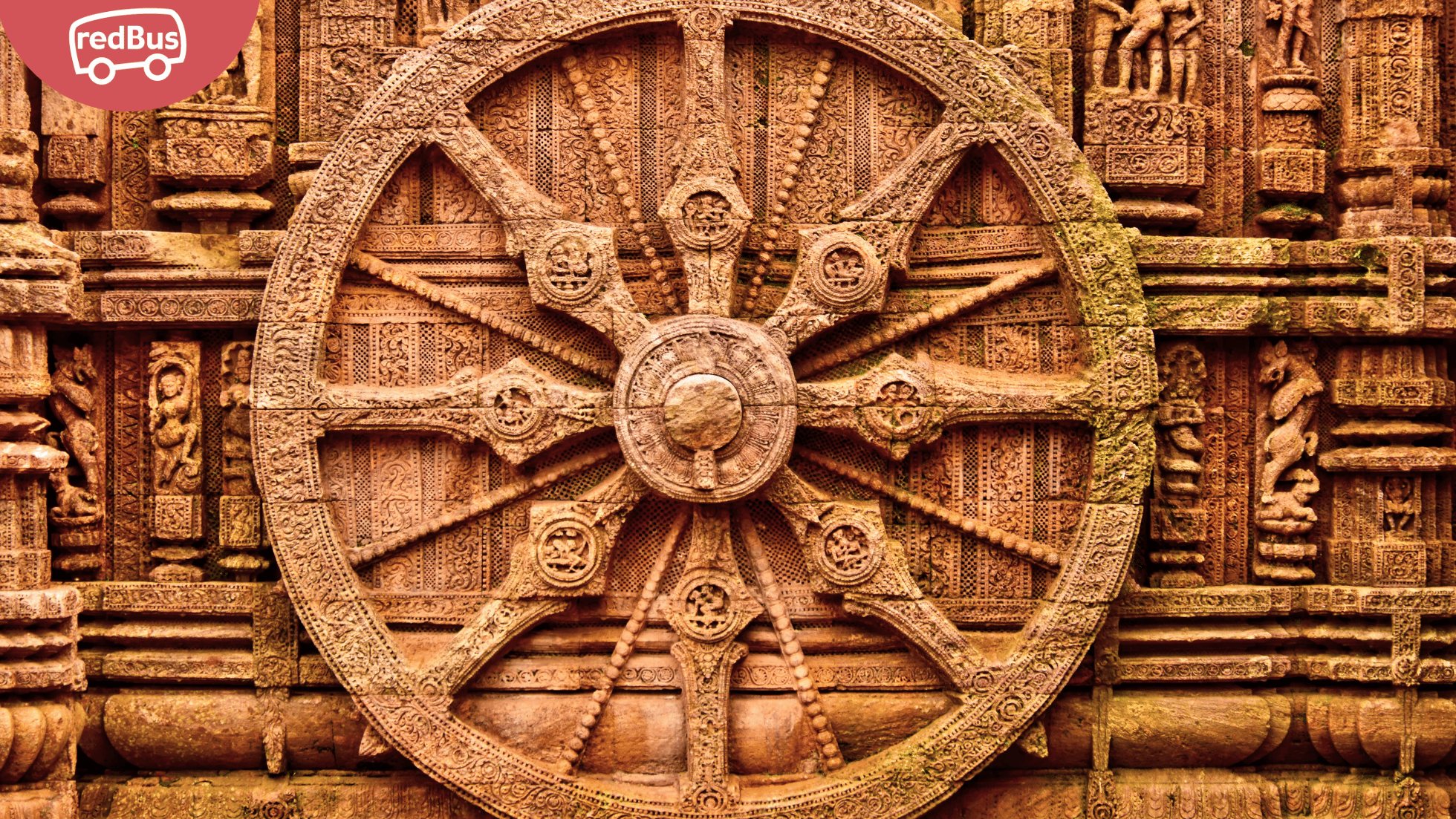
The temple of the sun stands as one of the most compelling monuments in the exploration of ancient civilisations. This architectural marvel not only embodies the technical prowess of prehistoric engineers but also reveals the profound spiritual and cultural connections early societies had with the sun as a celestial deity. Throughout history, the temple has served various roles, from a sacred sanctuary dedicated to solar worship to an emblem of cultural identity and scientific ingenuity. This comprehensive article delves deeply into the temple’s historical origins, cultural importance, architectural sophistication, and its ongoing relevance in modern times, illustrating why it continues to captivate historians, archaeologists, scholars, and tourists alike.
Historical Context of the Temple of the Sun
The temple’s origins trace back several millennia, constructed by civilizations distinguished by their advanced astronomical knowledge and architectural expertise. These societies understood the cyclical movements of the sun and incorporated this understanding into the temple’s very design and purpose. Solar worship formed a central tenet of their religious philosophy, symbolising the sun as the ultimate source of life, power, illumination, and regeneration. The temple sustained its importance as a ceremonial centre where priests, shamans, and other religious figures performed rites intended to invoke divine favour and ensure the continued prosperity of their people.
Several ancient cultures across different continents built temples or monuments dedicated to sun deities, reflecting convergent evolution in religious thought and architectural expression. Among them, the Inca’s Coricancha in Peru, the Egyptian sun temples of Ra, and the ancient megalithic structures in Europe each testify to the universal reverence for solar phenomena. The temple of the sun that is the subject of this article represents one such extraordinary example, encapsulating the intersection of spirituality, astronomy, and societal organisation.
Architectural Design and Construction
The temple showcases the extraordinary architectural skills possessed by its creators. Built predominantly from massive stone blocks, the temple’s construction demonstrates a mastery of quarrying, transport, and assembly that continues to baffle modern engineers. The alignment of the temple reveals a meticulous intention: its structures are oriented with remarkable precision to correspond with the sun’s positions during the solstices and equinoxes—key moments in the solar calendar that had both agricultural and religious significance.
Specific architectural elements such as terraces, staircases, and intricately carved solar motifs embellish the temple. These decorative and functional features not only reflect the artisanship of the builders but also convey symbolic meanings tied to the sun’s journey across the sky. The design often integrates natural landscape features, harmonising the constructed environment with the surrounding terrain, thereby embodying the unity between earth and cosmos.
Role in Solar Worship
The temple functioned as much more than an impressive architectural site; it operated as an active centre for observing and venerating the sun. Solar worship involved complex ceremonies timed around the solar year’s cycles, celebrating pivotal points such as the summer and winter solstices, when the sun reaches its highest and lowest positions. These festivals united communities in shared ritual practices aimed at ensuring agricultural fertility, social cohesion, and spiritual well-being.
Priests and shamans who officiated these ceremonies likely possessed specialised knowledge in astronomy, enabling them to predict solar events and interpret celestial signs. Through such rituals, the temple served as a potent symbol of divine order, connecting humanity to cosmic forces. These practices reinforced the sociopolitical structure by legitimising the authority of religious and political leaders, who claimed a unique ability to mediate between the sun god and the people.
Cultural Significance Through the Ages
Throughout centuries, the temple has witnessed varied uses and adaptations that reflect the shifting religious and cultural landscapes of the regions where it stands. Although originally conceived as a shrine devoted to solar deities, subsequent dominant cultures often reinterpreted or repurposed the temple to accommodate their own beliefs and needs. In some cases, the site was even used for secular purposes while retaining architectural cues linking it to its solar past.
Despite these changes, the temple’s original essence as a solar sanctuary remains unmistakably visible through enduring iconography, spatial configuration, and archaeological evidence. This illustrates the remarkable resilience of solar symbolism across epochs and the persistent human inclination to connect architectural space with cosmic phenomena.
Archaeological Discoveries
Extensive archaeological excavations at the temple have unearthed a wealth of artefacts that illuminate the religious and social practices of its builders. Among the finds are ceremonial implements, sculpted statues, pottery, and inscriptions bearing detailed references to solar mythology and ritual events. These discoveries have enabled historians and archaeologists to reconstruct aspects of the temple’s function and the broader cosmological framework of the ancient society.
One of the most significant findings is the confirmation of the temple’s precise astronomical alignment. Detailed surveys illustrate that several architectural elements correspond to solar positions occurring at major calendar points. This evidence substantiates hypotheses that ancient architects intentionally encoded astronomical knowledge into their constructions, thereby creating monumental calendars and observatories that facilitated agricultural planning and religious observance.
Influence on Later Cultures
The temple’s architectural concepts and solar symbolism have left an indelible influence on numerous subsequent cultures. The reverence for the sun as both a divine entity and a celestial regulator persisted, often merging syncretically with local belief systems. Elements such as solar iconography, ceremonial architecture oriented to celestial events, and the embedding of astronomical phenomena in religious rites became widespread, particularly in Mesoamerican, Mediterranean, and Asian civilizations.
Architecturally, the temple inspired the design of later sacred sites, many of which similarly focus on alignment and the integration of cosmic symbolism. This enduring legacy underscores the temple’s status not merely as a historical site but as a foundational cultural and spiritual archetype, continually reinterpreted and adapted by human societies seeking meaning beyond the earthly realm.
Preservation and Modern-Day Importance
In contemporary times, the temple remains a vital cultural heritage site, invaluable for the insights it provides into early human civilisation’s technological and spiritual achievements. Preservation efforts are paramount to safeguard the temple from the threats posed by natural weathering, environmental degradation, and the impacts of tourism. Conservators and heritage organisations employ advanced techniques to stabilise the structure, prevent erosion, and protect artefacts, ensuring that the temple endures for future study and admiration.
Maintaining the temple also serves broader educational and communal purposes, fostering global awareness of ancient cultures and promoting respect for humanity’s shared past. The site acts as a tangible link connecting modern generations to the profound legacies left by their ancestors, enhancing cultural identity and intercultural understanding.
The Temple of the Sun as a Tourist Destination
Today, the temple attracts a diverse international audience drawn by its historical mystique, architectural grandeur, and spiritual ambiance. Tour operators and local authorities collaborate to offer guided tours that elucidate the temple’s significance within the context of ancient solar worship, early astronomy, and societal development. Visitors gain not only an appreciation for the site’s aesthetic qualities but also an understanding of its enduring cultural narratives.
Educational programmes, often incorporating interactive displays, lectures, and workshops, complement these visits. They aim to engage the public—especially younger generations—in the exploration of archaeology, history, and astronomy. This approach helps demystify ancient practices, making the knowledge accessible and relevant while encouraging heritage preservation advocacy.
Impact on Education and Research
The temple serves as a critical resource for academic research across multiple disciplines, including archaeology, anthropology, history, and archaeoastronomy. Scholars utilise data gleaned from the temple to deepen comprehension of ancient societies’ worldviews, technological capabilities, and temporal organisation. In particular, investigations into the temple’s astronomical alignments have illuminated pre-modern calendar systems and indigenous timekeeping methods, shedding light on how societies structured their agricultural, religious, and social lives around celestial cycles.
Moreover, the site continues to inspire multidisciplinary research, bringing together astronomers, historians, architects, and cultural experts to expand existing knowledge. These collaborative efforts foster innovative interpretative frameworks and contribute to a more nuanced appreciation of ancient civilisations’ intellectual and spiritual richness.
Conclusion: Enduring Legacy of the Temple
The temple of the sun remains a monumental testament to humankind’s enduring fascination with the cosmos and the perennial quest to comprehend natural phenomena. Its historical, cultural, and architectural significance encapsulates a vital chapter of human history—a chapter defined by the synthesis of science, spirituality, and communal endeavour.
Ongoing preservation and scholarly investigation not only honour the temple’s ancient builders but also enrich contemporary understanding of human cultural evolution. By illuminating the sophisticated relationship between early civilisations and the celestial world, the temple guides modern society toward a deeper appreciation of heritage and encourages the stewardship of invaluable cultural landmarks for posterity.
