



Fleet fuel cards work by combining payment authorization with rules, driver identification, and reporting, so a business can manage fuel purchases at the same time the driver pays for them. The process looks simple at the pump, but the real value comes from the controls running behind the transaction. For managers comparing programs, a side by side review at https://fleet-fuel-cards.com can help show how network coverage, rebates, limits, and reporting differ from one card to another. Once a company sets up the account, each swipe or tap becomes part of a monitored system rather than a standalone expense.
Enrollment links drivers vehicles and payment rules
The first step happens before anyone buys fuel. A business opens a fleet account and assigns cards by driver, vehicle, or both. During setup, the company decides what the card can be used for, where it can be used, and how much can be spent. Those rules may include gallon caps, dollar caps, transaction frequency, time-of-day limits, or merchant category restrictions.
Many programs also require supporting identifiers, such as a PIN, driver ID, vehicle number, or odometer reading. That matters because the system is designed to connect every transaction to a known person and asset. In a well-managed fleet, the company is not simply issuing a card to be used however the driver sees fit. It is establishing a controlled workflow for fuel spending.
This setup stage is also where businesses compare network fit. Some fleet cards are tied to a specific brand or closed-loop station group, while others have broader acceptance through open-loop or large partner networks. Companies with local routes may prefer a card that delivers strong pricing at a concentrated group of stations. Regional and national fleets often need broader coverage so drivers are not pushed off route looking for an approved merchant.
The card captures data at the point of sale
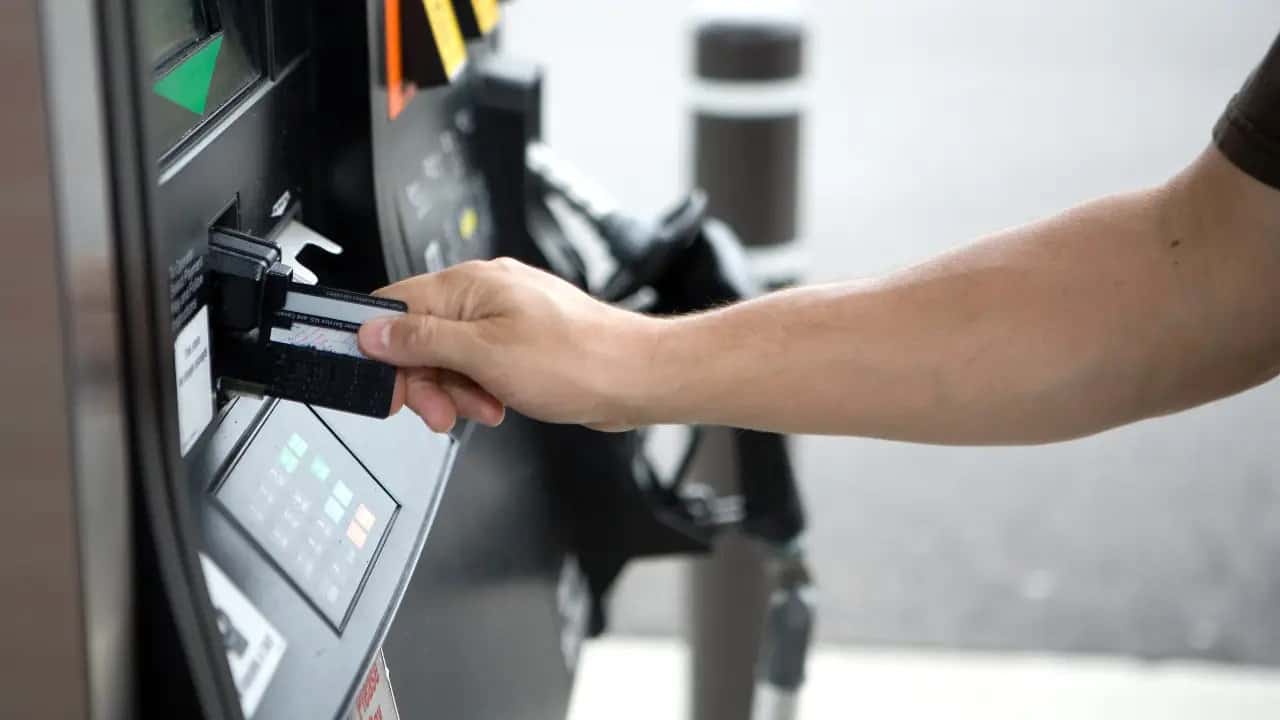
When a driver arrives at a station, the purchase follows a structured sequence. The driver inserts, taps, or swipes the card, enters any required credentials, and completes the fuel purchase just as they would with another payment method. The difference is that the fleet card platform captures much more information than a generic credit card normally would.
Depending on the provider, the transaction record can include fuel quantity, total price, cost per gallon, merchant location, date, time, driver identity, and vehicle association. If an odometer prompt is used, the business gains another useful data point for tracking mileage patterns and spotting irregularities. That means the card is doing two jobs at once: authorizing payment and creating a fleet data trail.
This is why fleet managers often talk about visibility instead of just convenience. A driver can fuel up in minutes, but the business gets a structured record that can feed reporting, analytics, reconciliation, and policy review. That is especially useful when the fleet has many vehicles and dozens of transactions per week.
Controls approve only the right transactions
One of the most important parts of how fleet fuel cards work is the approval logic behind the purchase. If a card is set to fuel only, the system can block non-fuel purchases. If the account allows transactions only during route hours, an overnight purchase can be declined. If the gallon limit has already been reached, the next attempt can be stopped before the charge goes through.
Those controls are a practical fraud prevention tool. Research briefs on fleet cards repeatedly point to PINs, driver IDs, vehicle IDs, purchase limits, and merchant restrictions as the main protections against misuse. They reduce the chance that a lost card, shared card, or off-policy purchase turns into a silent expense leak.
Controls also improve discipline without creating extra paperwork. The driver does not need a long policy manual in the cab for every fueling decision. The policy is embedded in the transaction itself. If the purchase fits the rules, it goes through. If it does not, the system forces correction on the spot.
Reporting turns transactions into operational decisions
After the transaction is complete, the data flows into the fleet card dashboard or reporting system. Managers can review spending by day, driver, vehicle, merchant, or route. They can also look for patterns such as repeated fueling at high-cost stations, unusual after-hours purchases, or fuel volumes that do not make sense for the vehicle.
That reporting layer is why fleet cards are often recommended for businesses with meaningful monthly volume. Some industry sources suggest the benefits become especially noticeable once a business is buying more than 1,000 gallons per month, because transaction volume, rebates, and reporting value all become more significant at scale. Whether a fleet is smaller or larger than that threshold, the principle is the same: more usable data leads to better oversight.
Detailed reporting can also simplify accounting. Instead of reconciling stacks of receipts, the business gets centralized transaction data that supports budgeting, expense coding, and month-end review. Over time, those reports help managers improve route efficiency, enforce purchasing rules, and make better decisions about drivers and vehicles.
Integrations and exception alerts keep oversight continuous
Modern fleet card programs often extend beyond a basic portal. Some integrate with fleet management software, accounting systems, telematics, or maintenance workflows. That creates a stronger operating picture because fuel purchases can be compared with mileage, vehicle utilization, service intervals, and broader expense trends.
Alerts also matter. If a suspicious transaction happens, managers may be notified quickly instead of waiting for a monthly statement. That allows faster intervention and tighter monitoring. In real operations, that speed is often the difference between a one-time issue and a recurring drain on the business.
So, how do fleet fuel cards work? They work by controlling purchases at the point of sale, collecting clean vehicle and driver data, and turning routine fueling into a visible, manageable system. The card may sit in a driver’s wallet, but the real mechanism is the network of limits, reporting, analytics, and monitoring behind every transaction.


