



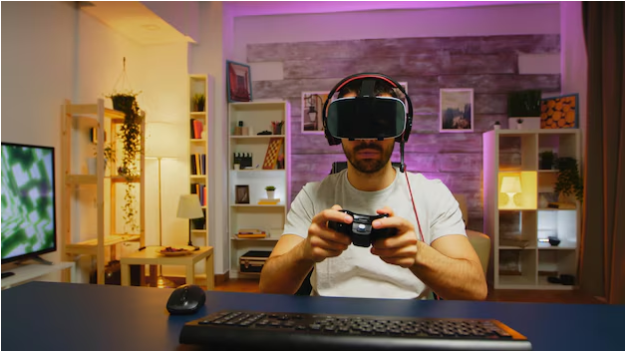
Online gaming has transformed from a solo hobby to a global phenomenon that connects millions of players across the world. With the rise of multiplayer platforms, esports tournaments, and immersive virtual worlds, online gaming has become a significant cultural and social force. But beyond entertainment, online gaming fosters connections, builds communities, and even influences societal norms. Let’s dive into how online gaming bridges gaps and shapes social interactions in the digital age.
The Rise of Online Gaming Communities
A Digital Meeting Ground
Online games provide a space where players from diverse backgrounds come together. Whether through cooperative gameplay or competitive matches, these platforms break geographical and cultural barriers, offering players a chance to collaborate and communicate with people they might never meet otherwise.
Building Friendships and Bonds
One of the most profound impacts of online gaming is the relationships it fosters. Many players form lasting friendships through shared gaming experiences. Platforms like Discord and in-game chat functions make it easy to stay connected, turning casual teammates into lifelong friends.
A Safe Haven for Many
For some, online gaming is more than just a pastime—it’s a refuge. Gamers who struggle with social anxiety or feel isolated in their offline lives often find comfort in these virtual spaces, where they can express themselves without fear of judgment.
The Role of Online Gaming in Cultural Exchange
Sharing Stories and Traditions
Online multiplayer games on https://www.jdl77.net/my/en-us/ often become melting pots of culture. Players from different regions share stories, traditions, and perspectives during gameplay, fostering understanding and appreciation for diverse cultures.
Breaking Down Language Barriers
With the integration of translation tools and universal gaming lingo, language is less of a barrier in online gaming. Phrases like “GG” (good game) or “noob” (new player) are universally understood, creating a shared vocabulary that transcends borders.
The Evolution of Social Gaming Experiences
Gaming Beyond the Screen
Today’s gaming isn’t confined to consoles or PCs. VR (virtual reality) and AR (augmented reality) technologies are reshaping the social gaming experience. Players can physically interact in virtual spaces, making their connections feel even more real.
Streaming and Content Creation
Platforms like Twitch and YouTube Gaming have added another layer to the social aspect of gaming. Gamers can connect with audiences worldwide, sharing tips, tricks, and moments of joy while building their brands.
Challenges in the Social Realm of Online Gaming
Toxicity and Harassment
While online gaming has many positive aspects, it’s not without challenges. Toxic behavior, harassment, and cyberbullying can detract from the experience, making it crucial for platforms to enforce strict community guidelines.
Balancing Virtual and Real-World Connections
As JDL688 online gaming grows more immersive, some players may find it difficult to maintain a balance between their virtual and offline relationships. Encouraging healthy gaming habits is essential to ensuring that online connections enhance rather than replace real-world interactions.
The Future of Social Gaming
As technology continues to evolve, so will the social dynamics of online gaming. From AI-driven matchmaking to immersive metaverse experiences, the possibilities for connecting players are endless. The focus is shifting toward creating inclusive, engaging environments where everyone feels welcome.
Final Thoughts
Online gaming is more than just a form of entertainment; it’s a powerful social tool that connects millions, fosters friendships, and bridges cultural divides. While challenges exist, the overall impact of online gaming on our social lives is undeniably profound. As the industry continues to grow, its potential to bring people together will only expand, making it an essential part of our connected world.


