You might be watching your child struggle to pronounce certain words, or you notice yourself avoiding certain foods because chewing just feels awkward or tiring. Maybe a dentist has mentioned “bite issues” or “malocclusion,” or you’ve been researching Atascocita, TX cosmetic dentistry, and now you are wondering if that has anything to do with the way you or your child speaks or eats. It can feel like a lot. Teeth, jaws, speech, confidence, nutrition, all tangled together.end
You are not imagining the connection. The way your teeth and jaws line up can absolutely affect how clearly you speak and how comfortably you chew. Orthodontic care is not only about straighter teeth for photos. It often plays a quiet but important role in helping people form sounds more easily and break down food more safely and efficiently.
In simple terms, here is the big picture. When your bite is off, your tongue, lips, and cheeks have to work harder. That can lead to lisping, slurred sounds, mouth breathing, or chewing on one side only. When orthodontic treatment gently guides teeth and jaws into a more balanced position, speech can become clearer and chewing can feel more natural. A family dentist and orthodontist team can help you understand what is happening and what can realistically improve.
Why do teeth and jaws matter so much for speech and chewing?
Think about how you say “s,” “t,” or “f.” Your tongue touches your teeth. Your lips meet in a certain way. Your jaw opens and closes just enough. When teeth are crowded, spaced too far apart, or the upper and lower jaws do not meet well, those little movements get disrupted. The body adapts, but often in a way that makes speaking and chewing harder.
For some people, this starts early. Conditions like cleft lip and palate can affect how the mouth forms and how speech develops. Treatment often involves a team that may include surgeons, speech therapists, and orthodontists. If this is part of your story, you may find it helpful to read how experts describe care for cleft lip and palate and long term oral function. It can be reassuring to see there is a clear path and coordinated care.
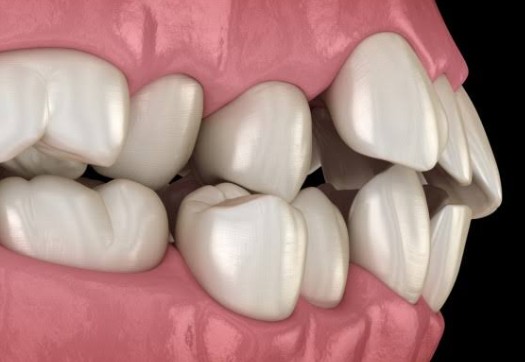
Even without a medical condition, common bite problems can interfere with daily life. An overbite, underbite, or open bite can change where the tongue rests and how it moves. The result can be whistling sounds, difficulty with “sh,” “ch,” or “r,” or food that never feels fully chewed. This is not about blame or “bad habits.” It is simply about anatomy and mechanics.
What makes the problem feel worse over time?
It is one thing to know there is a problem. It is another to feel it every day. You might notice your child getting frustrated when classmates ask them to repeat themselves. Or you may find yourself skipping steak, crusty bread, or raw vegetables because chewing feels like work, not enjoyment.
Because of this tension, you might wonder if it will just “fix itself” with time. Sometimes growth helps. Often it does not. Untreated bite issues can lead to uneven tooth wear, jaw discomfort, and more strain on certain muscles. That can affect both speech and chewing, and even make future dental work more complicated or costly.
There is also the emotional side. A child who is teased for a lisp or for “funny teeth” may start to talk less. An adult who worries that braces will make their speech worse may delay treatment for years. You are not alone in these concerns. Many people ask whether braces or aligners will change how they talk.
In reality, most people adjust to orthodontic appliances within a few days. The American Association of Orthodontists explains that braces might cause a brief adjustment period, yet they generally do not cause long term speech problems. You can read more about how braces affect the way you talk in the short term to ease some of that worry.
How can orthodontic care actually improve speech and chewing?
So, where does that leave you? Orthodontic services focus on guiding teeth and jaws into a more balanced, functional position. This is often called improving occlusion or correcting malocclusion. When that alignment improves, several things can change.
For speech, straighter teeth and a more stable bite give the tongue a more predictable “map” to work with. Certain sounds become easier to form. Lisping can soften. Whistling “s” sounds may reduce. If there are structural issues, like an open bite that leaves a gap when the back teeth touch, closing that gap can give the tongue a better surface to press against.
For chewing, a balanced bite means the work is shared more evenly. Food is broken down more thoroughly. This can help digestion, reduce the risk of choking on larger pieces, and make eating less tiring. People often report that after treatment they can chew on both sides instead of favoring one side all the time.
A family dentist and orthodontist working together can also spot related issues such as tongue posture, mouth breathing, or enlarged tonsils. In some cases, they may recommend coordination with a speech therapist or an ear, nose, and throat specialist. The goal is not just straighter teeth. It is a mouth that works well for speaking, chewing, and breathing.
If you are curious about how professionals categorize bite problems, the MedlinePlus overview of misaligned teeth and bite issues gives a clear description. Understanding the terms can make your conversation with your dentist or orthodontist feel less overwhelming.
Comparing risks and benefits of orthodontic treatment for function
When you are already worried about speech and chewing, it is natural to ask yourself whether treatment is worth the time, cost, and adjustment. A simple comparison can help you think this through in a more structured way.
| Aspect | No Orthodontic Treatment | Orthodontic Treatment |
|---|---|---|
| Speech clarity | Existing lisp or sound distortion may stay the same or gradually worsen if bite issues increase. | Many people see clearer articulation once teeth and jaws are better aligned. |
| Chewing efficiency | Chewing may stay uneven, with some foods avoided or chewed on one side only. | Balanced bite can make chewing more even and comfortable, improving food choices. |
| Jaw and muscle strain | Ongoing strain on certain teeth and muscles can lead to discomfort and wear. | Improved alignment often reduces strain and helps protect teeth from uneven wear. |
| Short term comfort | No adjustment to braces or aligners, but current difficulties remain. | Temporary soreness and minor speech changes while adapting to appliances. |
| Long term oral health | Higher risk of uneven wear, difficult cleaning, and complex future dental work. | Easier cleaning, more predictable bite, and a stronger base for future dental care. |
| Emotional impact | Ongoing self consciousness about speech or chewing habits. | Often improved confidence in speaking, smiling, and eating in front of others. |
Every situation is unique. Some people need only minor adjustment to see real change. Others need a more involved plan. What matters is understanding that orthodontic support for better speech and chewing is real and often achievable, not just a cosmetic wish.
Three practical steps you can take right now
- Pay attention to specific patterns
Spend a few days noticing what actually happens when you or your child speaks and eats. Are certain words or sounds always hard. Are certain foods always cut very small or avoided. Is there chewing on one side only. Write down what you see. This short list becomes powerful information to share with a family dentist and orthodontist, so they can connect your everyday experience with what they see on X rays and in the bite.
- Schedule an evaluation focused on function, not just looks
When you meet with a dental professional, be clear that your main concern is speech and chewing, not only straight teeth. Ask them to explain how the bite is working and whether treatment could realistically improve function. A caring provider will walk you through options, timing, costs, and whether other support, such as speech therapy, would help.
- Ask about the adjustment period and support during treatment
If you worry that braces or aligners will disrupt speech or chewing too much, say so openly. Ask how long adaptation typically takes and what can be done to ease the transition. This might include practicing specific words at home, choosing softer foods for the first week, or scheduling follow up visits to fine tune the appliances. Knowing what to expect reduces fear and makes treatment feel more manageable.
Moving toward more comfortable speech and confident chewing
You do not have to simply “live with” unclear speech or uncomfortable chewing if they are tied to how your teeth and jaws fit together. Orthodontic services are about function as much as appearance. When a skilled team looks at your bite through the lens of speech and eating, they can often create a plan that brings real day to day relief.
As you think about next steps, remember that small changes in alignment can produce meaningful changes in how you feel and function. Whether you call it orthodontic treatment for better oral function or simply “getting the bite fixed,” the goal is the same. You deserve to speak without strain and eat without worry. Reaching out to a trusted family dentist and orthodontist is a strong, thoughtful step in that direction.