

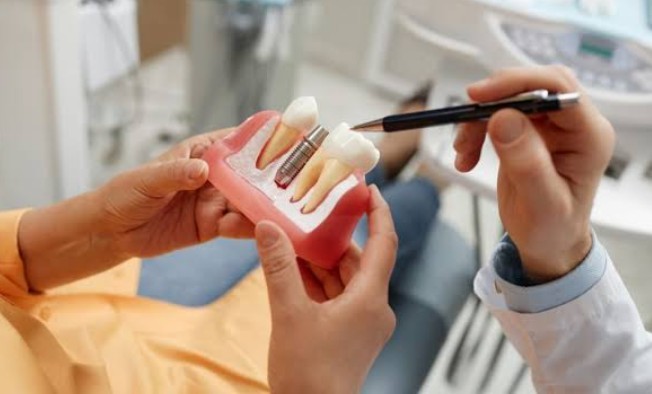
You might be feeling a mix of relief and worry right now. You went through the time, cost, and stress of getting dental implants, and you finally have your smile back. People may even be telling you how great your teeth look. Yet in the back of your mind there is this quiet question. As a periodontist Albuquerque patients often turn to for help, I hear it all the time: “What if something goes wrong with my implants after everything I went through?”end
You are not overreacting. Dental implants are a real investment, both financially and emotionally. You trusted a periodontist and implant dentist with your health, you took time off work, you sat through procedures, and you adjusted your daily routine. It is normal to wonder how long these implants will last and what you need to do to protect them.
The short version is this. Implants can last many years, often decades, but only if the gums and bone around them stay healthy. That is exactly where periodontal maintenance for dental implants comes in. Regular, careful gum care after implant placement is what keeps that investment safe, comfortable, and stable over time.
Why do healthy gums matter so much after implants?
When you first decided on implants, the focus was probably on replacing missing teeth so you could chew, smile, and speak with confidence again. What often gets less attention is the foundation. The gums and jawbone that hold those implants are doing all the heavy lifting.
Because implants are made of titanium and do not decay like natural teeth, it is easy to assume they are almost “set and forget.” The truth is more complicated. Implants can fail when the bone and gum around them become inflamed or infected, a condition often called peri-implant disease. It is similar to gum disease, and just like gum disease, it usually starts quietly.
You might not feel pain at first. Instead, it can begin with slight bleeding when you brush, a bit of redness, or a feeling that something is “off” near the implant. If that inflammation is not caught early, the bone that holds the implant can slowly melt away. Once that support is gone, the implant can loosen and, in severe cases, be lost.
Because of this, you might wonder how you are supposed to catch problems that do not hurt until they are advanced.
What happens if periodontal maintenance is ignored?
Think of two people who both invested in implants.
One patient goes back to routine cleanings every six months, but never sees a specialist again and treats the implants like regular teeth. They rush through brushing, sometimes skip flossing, and do not notice a bit of bleeding around one implant. A few years later, an X-ray shows bone loss around that implant. The area needs deep cleaning, maybe surgery, and the implant may or may not be saved.
The other patient follows a structured maintenance plan with a periodontist. Their specialist checks the pockets around each implant, monitors bone levels with X-rays, and adjusts home care tools. A little inflammation is spotted early. The hygienist performs a gentle but targeted cleaning around the implant, and home care is updated. The area calms down and the implant stays healthy.
Both patients started in the same place. The difference is not luck. It is maintenance.
There is good educational material from university clinics that explains why careful, ongoing care matters. For example, Creighton University’s implant education resources for patients describe how daily cleaning and regular professional care are key for long term implant success, not just the surgery itself. You can see how they explain implant care in simple terms through their dental implant care guidance.
So where does that leave you? It means you do not have to live in fear about your implants, but you do need a plan.
How does periodontal maintenance actually protect implants?
Periodontal maintenance is more than a routine cleaning. It is a focused plan to keep the gums and bone around implants and natural teeth stable over time. It usually includes:
- Careful measurement of the gum pockets around implants and teeth
- Targeted removal of plaque and hardened deposits from areas you cannot reach at home
- Regular checks for early signs of peri-implant inflammation or gum disease
- Review and adjustment of your brushing, flossing, and tools, such as interdental brushes or water flossers
Specialty clinics like university periodontal programs emphasize this type of ongoing therapy for gum disease and implant patients. For example, the University of Illinois Chicago describes how periodontal therapy continues with maintenance visits to prevent disease from returning, which is very similar to the approach needed around implants. You can read their overview of periodontal gum disease therapy to see how maintenance is built into care.
In short, maintenance visits are where small problems are caught before they grow into expensive, stressful ones. They protect your financial investment, and they protect you from having to repeat difficult treatment.
What are the real tradeoffs if you maintain implants vs “hoping for the best”?
It can help to see the difference laid out clearly. Here is a simple comparison between sticking with regular periodontal maintenance and taking a more casual “I will go in when something hurts” approach.
| Approach | Short term experience | Long term risk | Typical costs over time |
| Regular periodontal maintenance with a specialist | More frequent visits, focused cleanings, occasional advice to adjust home care | Lower risk of peri-implant disease, higher chance implants last many years | Predictable maintenance costs, fewer surprise emergencies or major repairs |
| Irregular care, only visiting when there is pain | Fewer appointments at first, less time in the chair | Higher risk of silent bone loss, implant loosening, or painful infection | Possible need for surgery, bone grafts, or implant replacement, which is far more expensive |
Many interdisciplinary implant centers, including university based clinics, stress this long view. The University of Pittsburgh’s Interdisciplinary Implant Center, for example, explains how implant care is a team effort over time, not just a one time surgery. Their approach to long term implant care shows how important monitoring and maintenance really are.
Understanding this tradeoff can shift the way you see those recall appointments. They are not just another cleaning. They are an insurance policy for your smile and your wallet.
What can you do right now to protect your implants?
You do not need to overhaul your life to safeguard your implants. A few focused steps make a real difference and support both your specialist and your everyday routine.
- Commit to a personalized maintenance schedule
Ask your periodontist or implant dentist how often they want to see you. For many people with implants and a history of gum issues, every 3 to 4 months is common. This is not a sign that something is wrong. It is a way to stay ahead of problems.
If it has been more than six months since your last checkup, schedule a periodontal evaluation specifically mentioning your implants. Tell the office you want to focus on long term maintenance, not just a quick cleaning.
- Upgrade your home care around implants
Daily care is where you have the most control. A few points to focus on.
- Use a soft toothbrush and gentle, small circular motions around the gumline of your implants.
- Add floss designed for implants or bridges, or use interdental brushes sized correctly for the spaces your dentist recommends.
- Consider a water flosser as a supplement if you struggle with traditional floss.
If you are unsure what tools are safe around your specific implant design, bring what you use to your next appointment. Ask your hygienist to watch your technique and make adjustments. That small bit of coaching can protect the tissues around your implants for years.
- Watch for early warning signs and speak up quickly
Your body often whispers before it shouts. Around implants, early warning signs include:
- Bleeding when you brush or floss near an implant
- Redness, puffiness, or tenderness in the gums around the implant
- Bad taste or odor that seems to come from a particular implant area
- A feeling that the implant crown “moves” slightly or feels different when you bite
If you notice any of these, do not wait to see if they go away on their own. Call your periodontist or implant dentist and ask for a check focused on that area. Early treatment is usually simpler, more comfortable, and far less expensive than waiting until the problem is advanced.
Bringing it all together and moving forward with confidence
You worked hard to restore your smile with implants. You showed up to appointments. You healed. You adjusted your life. It is understandable to feel protective of that investment and a little anxious about what the future holds.
The reassuring truth is that you are not powerless. With consistent periodontal maintenance, thoughtful daily care, and a team that understands implant health, you can give your implants the best chance to last. Long term periodontal care for dental implants is not an extra. It is the quiet, steady support that keeps everything you have already done working for you.
If you feel overdue or unsure about your current routine, the most important step is simply to reconnect with a skilled periodontist or implant dentist and ask for a maintenance plan tailored to you. That conversation can turn lingering worry into a clear path forward and help protect your smile for years to come.
