



You might be feeling a quiet worry every time you or your child sits in the dental chair. You hope the dentist in Antioch does not find a new cavity, you wonder what those twinges of sensitivity really mean, and you may even feel a bit guilty if life has pushed dental visits to the bottom of the list. You are not alone. Most people do not think about prevention until something hurts.end
Then something changes. A painful tooth, a broken filling, or a big bill can make you wish you had known what to do earlier. That is where preventive dentistry for every age becomes so important. The idea is simple. Small, steady habits and regular care protect you from bigger, more stressful problems later. You save teeth, you save money, and you save yourself a lot of worry.
So where does that leave you today. You may be wondering what actually matters, what is worth your time and money, and how a family dentist can truly protect your smile and your children’s smiles as you all grow older. This is about understanding what to do now, at whatever age you are, so your future self is grateful instead of stressed.
Why does preventive dentistry feel so hard to keep up with?
On paper, prevention sounds easy. Brush. Floss. See your family dentist. In real life, it is not so simple. You are busy, you might have had a bad experience as a child, or you worry about the cost of “one more appointment.” Because of this tension, it is very common to wait until something hurts before calling a dentist.
The problem is that teeth are quiet for a long time. Cavities and gum disease start small. By the time you feel pain, the issue is often bigger and more expensive to fix. The Centers for Disease Control and Prevention explains that simple steps like fluoride, sealants, and routine cleanings can prevent many of these problems before they start. You can read more in their overview of oral health prevention strategies.
Think about a few common situations. A teenager who skips checkups for a couple of years because of sports and school might end up with several deep cavities. A working adult who grinds their teeth at night and postpones visits may suddenly crack a tooth during a stressful week. A grandparent on multiple medications might develop dry mouth, which quietly increases the risk of decay, until one day several teeth need treatment at once.
So the real challenge is not that preventive care is complicated. It is that life is complicated. You are juggling family, work, and finances. Dental care can feel optional, until it is urgent.
How does preventive care change at different life stages?
Preventive dentistry is not one size fits all. A toddler, a busy parent, and an older adult have very different needs. A good family dentist adapts your care plan as you move through life, instead of giving everyone the same advice.
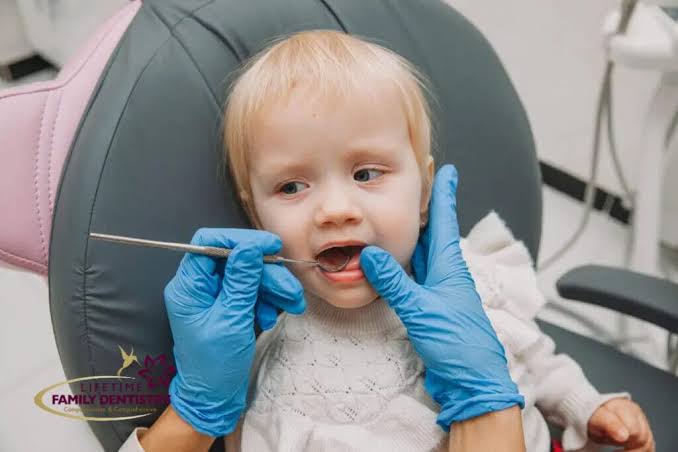
For young children, prevention focuses on building comfort and routine. Short, positive visits, fluoride treatments, and sealants on the back teeth protect against early cavities. Parents get coaching on brushing, snacks, and how to handle things like thumb sucking.
For teens and working age adults, the focus shifts. Sports mouthguards, managing soda and energy drink habits, and watching for early signs of gum disease all matter. Research on oral health in working age adults shows that untreated gum disease and tooth decay are still very common, especially when stress and busy schedules push self care aside.
For older adults, the needs change again. Medications can dry the mouth. Arthritis can make brushing harder. Gums may recede and expose the roots of teeth. Here, prevention may include more frequent cleanings, special fluoride products, and simple tools that make daily care easier. The focus is on preserving comfort, chewing, and confidence.
So, what does all of this have to do with you right now. It means that preventive care is not just “twice a year cleaning.” It is a tailored plan that shifts as you age, with a family dentist acting as a guide who knows your history and your goals.
Is prevention really cheaper and easier than waiting?
It is natural to ask whether regular checkups and cleanings are worth the cost and time, especially if your teeth “feel fine.” The hard truth is that dental problems grow quietly. Early treatment is usually simpler, less invasive, and far less expensive than waiting until something breaks or becomes infected.
The CDC’s overview of oral health and its impact highlights that untreated dental issues are linked to missed work, school days, and higher medical costs. A small cavity that could have been fixed with a simple filling might turn into a root canal and crown if it is ignored. Gum inflammation that could be managed with routine cleanings might progress to bone loss and tooth loss over time.
Here is a simple comparison to put it in perspective.
| Type of Care | What it usually involves | Typical impact on cost and stress |
| Preventive visits twice a year | Exam, cleaning, X rays as needed, fluoride, sealants for children | Lower long term costs. Short, planned visits. Issues caught early. |
| Waiting until something hurts | Emergency visit, possible root canal, crown, or extraction | Higher one time cost. More pain and time off work or school. |
| Ongoing home care only | Brushing and flossing without professional checkups | Better than nothing, but hidden problems can grow unnoticed. |
Prevention is not about perfection. It is about stacking the odds in your favor. When you combine good home care, regular exams, and early treatment, you greatly reduce the chance of painful surprises.
What can you do right now to protect your smile at any age?
You might be wondering where to start, especially if it has been a while since your last visit or you are worried about what a dentist might find. The most important thing is to take one small, clear step. Then build from there.
- Schedule a preventive checkup and be honest about your history
Book an appointment with a trusted family dentist and tell them how long it has been since your last visit, what worries you, and what your goals are. If you are anxious, say so. If cost is a concern, ask for a clear treatment plan with priorities. A good dentist will help you focus on the most important issues first and create a realistic schedule.
- Tighten up one simple daily habit, not ten
You do not need a perfect routine overnight. Choose one change you can actually maintain. For many people, that means brushing twice a day with fluoride toothpaste for two minutes, every day, no exceptions. For others, it might be adding flossing before bed or switching from sugary drinks to water during the day. When you succeed with one habit, add another.
- Match prevention to your life stage
Think about where you are right now. If you have young children, focus on early visits, fluoride, and sealants. If you are in your working years, pay attention to grinding, stress, and gum health. If you are older, talk with your dentist about dry mouth, medications, and how to protect any existing dental work. This is how smile protection through preventive care stays relevant throughout your life instead of feeling like generic advice.
Moving forward with more confidence and less fear
You do not need to fix everything overnight. You also do not need to wait for pain before you act. When you understand how preventive dental care works across childhood, adulthood, and later years, you can make calmer, wiser choices for yourself and your family.
Each small step you take today, from booking that overdue visit to brushing a little more consistently, is a gift to your future self. Your smile is part of how you speak, eat, laugh, and show up in the world. It deserves steady, thoughtful care, not just emergency fixes.
You are allowed to start exactly where you are, even if it has been a long time, and build a healthier, more confident smile at every stage of life.


