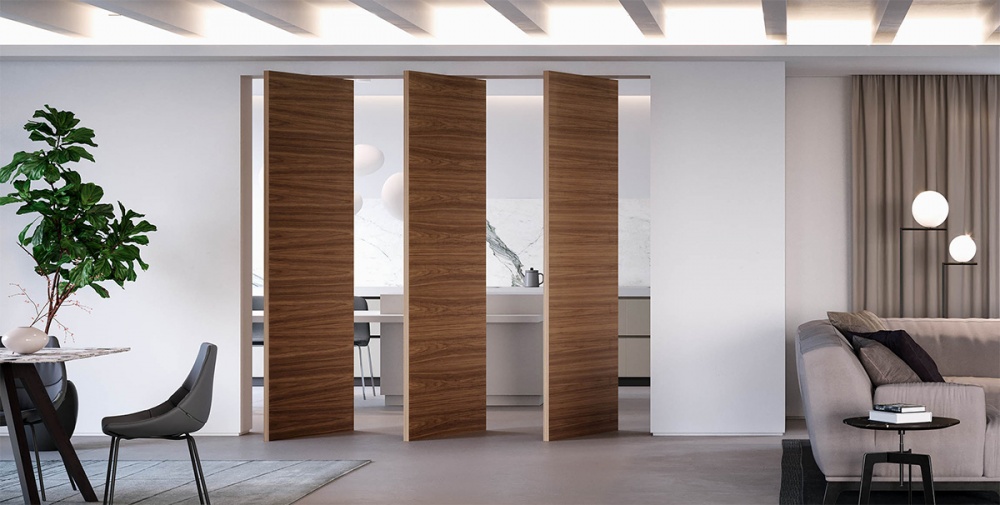
Door design is a pivotal aspect of modern architecture and interior design, merging functionality with aesthetics. Throughout history, the evolution of door mechanics has seen a multitude of developments, focusing on enhancing their usability and visual appeal. Today, one innovation stands out in the contemporary design landscape—the pivot hinge. This mechanism has transformed the way doors are seen and used, offering a blend of elegance, strength, and smooth operation.
The Mechanics of Pivot Hinges
Pivot hinges differ from traditional door hinges in both their placement and functionality. Rather than being located on the side of the doorframe, a pivot hinge is often set at the top and bottom of the door, allowing it to swing from a single point on the floor and another corresponding point on the top frame or ceiling. This distinct feature is not merely about visual appeal but also about providing practical solutions to issues commonly faced with conventional hinges.
Economic Efficiency and Longevity
The distribution of weight in doors equipped with a pivot hinge system is a noteworthy benefit. By shifting the weight to the floor, the stress on the frame is significantly reduced, which in turn can enhance the longevity of both the door and its support structures. This also means that larger and heavier doors can be supported with greater ease, avoiding common problems like sagging and misalignment.
Design Flexibility with Pivot Hinges
The versatility in door design is at its peak with the use of pivot hinges. Architects and designers are empowered to conceptualise broader and taller doors without being constrained by the weight limitations of traditional hinges. This has given rise to a trend of seamless, clean aesthetic lines in both residential and commercial spaces, where doors blend effortlessly with their surroundings or stand out as impressive design elements on their own.
Improved Accessibility
In public buildings and spaces where accessibility is paramount, pivot hinges offer an inclusive solution. Doors with pivot hinges require less force to open and can be seamlessly integrated into a universal design that accommodates all users, including those with disabilities. The ease of opening and closing such doors provides an ergonomic benefit that is essential for high-traffic areas.
Security and Safety Advancements
As well as design and aesthetic benefits, pivot hinges contribute to enhanced security measures. They are robust and can be engineered to incorporate advanced locking mechanisms. Furthermore, their unique installation system can reduce the probability of forced entry, as the pivoting mechanism is harder to compromise than traditional hinging systems.
Innovative Materials and Finishes
The range of materials and finishes available for pivot hinges caters to virtually any design palette. From sleek stainless steel to warm brass tones, and from minimalist matte black to custom patinas, the options for these pivotal components are as diverse as the doors they support. This presents a chance to define the character and tone of a space right from its threshold.
The Silent Operation of Pivot Doors
One of the less immediately apparent advantages of pivot doors is the reduction in noise during operation. The balance afforded by the pivot mechanism allows for a smoother and quieter motion, making it an optimal choice for settings where noise reduction is desirable, such as offices, hospitals, and libraries.
Spatial Dynamics
The installation of a pivot door can significantly affect the perception of space in a room. By eliminating the need for wide door arcs, pivot hinges allow for more effective use of space. This provides designers with the flexibility to create more dynamic and functional room layouts.
Energy Efficiency
Apart from design benefits, pivot hinge systems can contribute to energy conservation. The customisable nature of pivot doors enables them to fit perfectly within their frames, creating better seals against drafts and assisting in maintaining the desired interior climate, thus potentially reducing heating and cooling costs.
Maintenance and Repairs
The maintenance requirements for pivot hinge systems are considerably lower than for traditional hinge systems. With fewer moving parts exposed to wear and tear, pivot hinges are a dependable choice for high-use doors. In the event of damage or wear, the repair or replacement process is typically simpler and quicker, causing minimal disruption to daily operations.
Customisable Designs
The advent of the pivot hinge has seen a flurry of customisable design options enter the market. Designers and homeowners can create bespoke doors that reflect individual style and requirements, from grand entrance ways to unassuming closet doors. This level of customisation is forging a new frontier in door design where practicality, aesthetic, and personal expression converge.
Integrating Technology
Modern pivot hinges readily integrate with advanced technologies such as automated opening systems, smart locks, and access control systems. The robust nature of the pivot hinge makes it an ideal companion for technological enhancements, thus enabling seamless synergy between traditional door design elements and the digital age.
Conclusion
The role of the pivot hinge in door design is multifaceted, encompassing advancements in aesthetics, functionality, and technology. As architects and designers continue to push boundaries, the pivot hinge stands as a testament to innovative engineering, elegance, and efficiency. In both form and function, the pivot hinge serves as more than just a mechanical tool; it is a central feature that defines the future of doors in the fabric of modern architecture.
For those interested in exploring the array of options offered by this innovative technology, perusing a selection of premium-quality pivot hinges can provide insight into the transformative potential they hold for any space. Their role in redefining door design continues to shape the thresholds of tomorrow, inviting us to step through into a world of boundless creativity and practicality.