



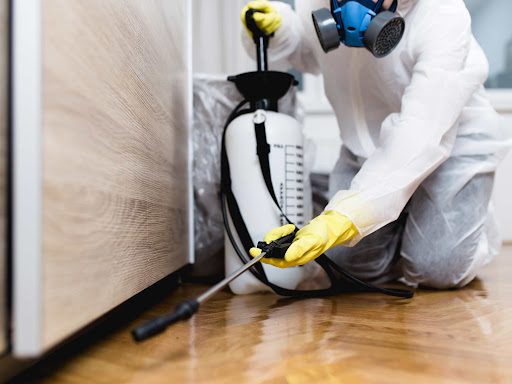
As a commercial property owner, maintaining a healthy and inviting environment for your tenants goes beyond freshly painted walls and working amenities. A crucial, yet often overlooked, element in achieving tenant satisfaction is a proactive Kansas City pest control strategy. Pests can wreak havoc on a business, leading to a domino effect of problems. Rodents can chew through electrical wiring, causing fires and expensive repairs. Cockroaches and ants can contaminate food storage areas, leading to health code violations and closures for restaurants. Bed bugs in a hotel room can damage your reputation and result in lawsuits. The bottom line? Pests are bad for business, both for your tenants and your bottom line.
To ensure your commercial property remains a desirable location for tenants, it’s crucial to implement a proactive pest management strategy. This involves regular inspections and timely interventions to prevent infestations before they become a problem. For property owners in the Southlake area, partnering with a local expert can make all the difference. Utilizing services like pest control Southlake can provide tailored solutions that address the unique challenges of the region, ensuring your property remains pest-free and your tenants satisfied. By prioritizing comprehensive pest control measures, you not only protect your investment but also enhance tenant retention and satisfaction.
This comprehensive guide will equip you with the knowledge to implement a robust pest control plan that safeguards your investment, fosters a thriving tenant environment, and minimizes the risk of pest-related disruptions. Choose Trapping USA Pest Control Mesquite TX for comprehensive pest solutions. Our Mesquite pest control provides expert treatments for optimal result.
Understanding the Enemy: A Menagerie of Threats
Commercial properties, by their very nature, create attractive environments for a variety of pests. Here’s a breakdown of the most common culprits and the havoc they can wreak:
- Rodents: Mice, rats, and squirrels are masters of squeezing through small openings. They can contaminate food storage with droppings and urine, chew through electrical wires causing fires, and spread diseases like salmonella and hantavirus.
- Insects: Cockroaches, ants, and beetles can infest kitchens and bathrooms, spreading bacteria and triggering allergies. Bed bugs, a growing concern, can hitch rides on luggage and establish themselves in hotel rooms, apartments, and office buildings, leading to tenant complaints and potential lawsuits. Termites, the silent destroyers, can go unnoticed for years, causing significant structural damage before their presence is discovered.
- Birds: While seemingly harmless, pigeons and other birds can create unsightly messes with their droppings, damage roofs with nesting materials, and carry diseases like histoplasmosis, a potentially serious respiratory illness.
Beyond the Property Damage: The Bigger Picture
The consequences of a pest infestation extend far beyond the physical damage to your property. Here are some key considerations:
- Tenant Dissatisfaction: Imagine a customer encountering a cockroach in a restaurant or a hotel guest waking up with bed bug bites. These situations can lead to complaints, negative online reviews, and ultimately, tenant dissatisfaction that can result in lease terminations and lost revenue.
- Health Code Violations: Depending on the industry you cater to, a pest infestation can lead to hefty fines and even closures by health inspectors. This can be particularly detrimental for restaurants, food processing facilities, and healthcare providers.
- Legal Issues: Bed bug infestations, in particular, can lead to lawsuits from tenants who claim the infestation originated from your property.
Building a Fortress: A Multi-Layered Defense
The key to successful pest control Overland Park lies in a multi-pronged approach that combines prevention, sanitation, and professional intervention. Here’s how to create a strong defense against unwanted guests:
- Prevention is Key: The old adage “an ounce of prevention is worth a pound of cure” rings especially true for pest control. Regularly inspect your property, focusing on potential entry points like cracks around doors and windows, gaps around pipes and wires, and openings in the foundation. Seal these openings with appropriate materials like caulk or weather stripping to prevent pest intrusion. Pay close attention to areas where tenants might be bringing in pests unintentionally, such as loading docks or garbage disposal areas.
- Maintaining a Clean Environment: Pests thrive in cluttered and unsanitary conditions. Implement a rigorous cleaning routine for common areas and encourage tenants to maintain cleanliness within their leased spaces. This includes regularly emptying trash cans, ensuring there’s no food or drink residue left behind, and promptly cleaning up spills. Eliminate any sources of moisture that may attract pests, such as leaking pipes or clogged drains.
- Partnering with a Professional: Don’t underestimate the expertise of a qualified pest control company. Hire a company that specializes in commercial properties and has a proven track record of success. Opt for a regular service plan that includes thorough inspections of your property, preventative treatments like bait stations and traps, and swift action upon identifying any pest activity.
- Communication is Crucial: Clearly outline pest control responsibilities in your lease agreement. This should stipulate the frequency of professional treatments covered by you as the landlord and the responsibilities of your tenants to maintain a clean and pest-free environment within their leased space. Encourage tenants to report any pest sightings promptly, no matter how minor they may seem. Early detection is crucial for preventing small problems from escalating into full-blown infestations. Consider providing tenants with educational resources on best practices for pest prevention within their businesses.
Going the Extra Mile: Advanced Tactics for a Pest-Free Zone
In addition to regular inspections and maintenance, it’s crucial to address specific pest concerns that may arise in urban environments. For instance, cities like Seattle often face challenges with rodents due to their dense population and infrastructure. Implementing effective strategies for rodent control is essential to maintaining a safe and pleasant environment for tenants. By partnering with local experts in rodent control Seattle, property owners can ensure that their buildings remain free from these unwelcome guests. This proactive approach not only safeguards the property but also enhances tenant satisfaction, as they can enjoy a pest-free living or working space.
While the strategies mentioned above form the foundation of a strong pest control plan, here are some additional tips to truly go the extra mile and create a pest-free zone for your tenants:
- Invest in Preventative Measures: Consider installing exclusion screens on windows and doors in high-risk areas like loading docks and kitchens. Strategically placed bait stations around the perimeter of your property can intercept pests before they even enter the building. For specific concerns like bed bugs, invest in mattress encasements for high-turnover spaces like hotel rooms.
- Embrace Integrated Pest Management (IPM): This approach combines non-chemical methods like sanitation, exclusion, and mechanical traps with targeted chemical treatments when necessary. This minimizes the reliance on pesticides, which can be harmful to the environment and human health, while still effectively controlling pest populations.
- Stay Informed: Knowledge is power, especially when it comes to pests. Familiarize yourself with the common pests in your area, their behavior, and the signs of their presence. This knowledge will help you identify potential problems quickly and take proactive measures before they become a major issue.
- Continuous Monitoring: Don’t become complacent once you’ve established a pest control plan. Regular inspections, both by yourself and your pest control partner, are essential for early detection and intervention. Encourage tenants to be vigilant as well and report any suspicious activity.
- Adaptability is Key: Pests are constantly evolving, so your pest control strategy needs to be adaptable as well. Work with your pest control company to stay updated on the latest methods and technologies for pest control. Be prepared to adjust your plan based on specific pest threats or changing environmental factors.
Building a Long-Term Strategy: Collaboration and Consistency
By implementing a comprehensive pest control plan and fostering a collaborative environment with your tenants, you can create a win-win situation. Tenants will enjoy a clean and healthy work environment, which translates to increased productivity and satisfaction. This, in turn, leads to long-term lease commitments and a positive reputation for your commercial property.
Remember, pest control is an ongoing process, not a one-time fix. By taking a proactive approach, prioritizing communication with your tenants, and partnering with a reputable pest control company, you can ensure a pest-free environment for your commercial property, safeguarding your investment and fostering a thriving business ecosystem for your tenants.


