



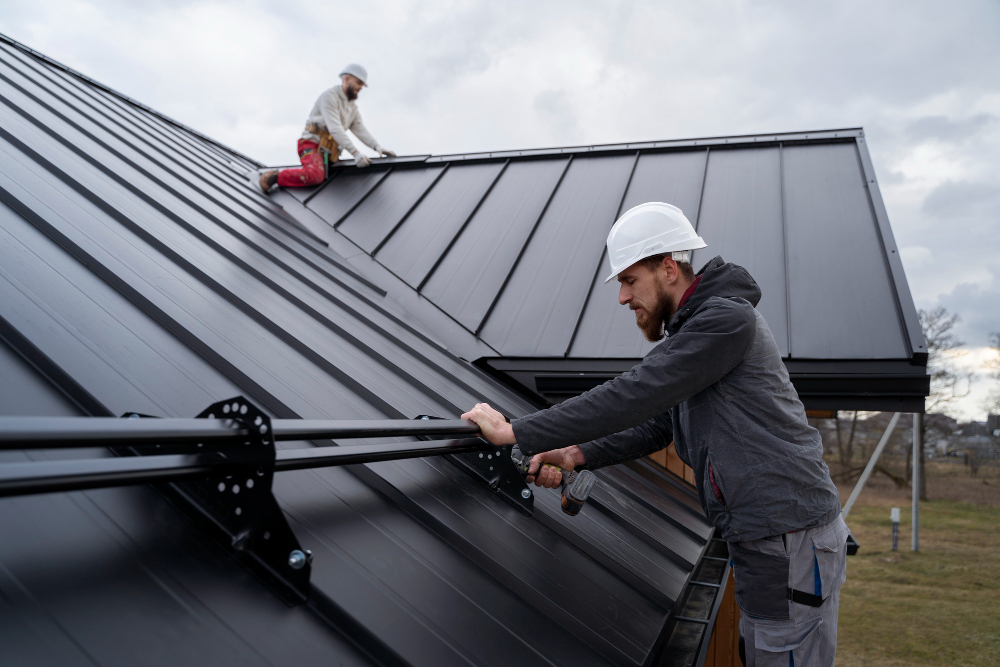
Poor roof installation shows up quickly through curling shingles, water stains on ceilings, sagging decking, and misaligned flashing. Catching these warning signs early prevents minor installation errors from escalating into structural damage. Homeowners who act fast save thousands in avoidable repair costs.
High Springs, Florida, sits in Alachua County and experiences a humid subtropical climate with heavy summer rainfall and frequent thunderstorms. The region’s intense UV exposure and seasonal storm activity accelerate wear on roofs that weren’t installed correctly from the start. Consulting a trusted roofing company in High Springs at the first sign of trouble ensures problems are diagnosed and corrected before moisture intrusion takes hold.
Poor installation isn’t always obvious from the ground, but the interior and exterior of your home will both show early clues. Knowing what to look for helps you take action before small defects become expensive failures. The sections below cover the most telling signs.
What Are the Most Visible Signs of a Bad Roof Installation?
Uneven or wavy shingles across the roofline are one of the clearest red flags of improper installation. This typically results from incorrect nailing, skipped underlayment, or shingles laid over an uneven deck. Left unaddressed, the gaps allow wind-driven rain to penetrate beneath the surface.
Missing or improperly seated flashing around chimneys, vents, and skylights is another immediate concern. Flashing seals the transitions between roofing materials and structural protrusions; when it’s cut short or poorly adhered, leaks follow quickly. Water intrusion from roof failures is one of the leading causes of post-storm structural damage in Florida homes.
How Does Poor Installation Affect Your Home Long-Term?
Water that enters through installation gaps damages insulation, promotes mold growth, and deteriorates roof decking over time. Once the decking is compromised, a full replacement becomes unavoidable rather than optional. The U.S. Environmental Protection Agency warns that mold can begin developing within 24 to 48 hours of moisture exposure in enclosed spaces.
Granule loss concentrated in specific areas — rather than distributed evenly — also signals that shingles were improperly installed or damaged during the process. Granules protect the asphalt layer from UV degradation, and their premature loss shortens roof lifespan significantly. A roof that should last 25 years may fail in under a decade without proper installation.
Granules, Gutters, and Interior Clues
Excessive granules collecting in gutters shortly after a new installation indicate shingle damage during the job. Inside the home, dark ceiling spots or bubbling paint near exterior walls point directly to moisture intrusion from above. Both signs warrant an immediate inspection — not a wait-and-see approach.
Proper attic ventilation is another installation element frequently overlooked. When ventilation is inadequate, heat and moisture build up and break down roofing materials from the inside out. Checking the attic for condensation or uneven insulation coverage can reveal installation shortcuts quickly.
Key Takeaways
- Curling shingles, sagging sections, and misaligned flashing are the earliest visible signs of poor installation.
- Improperly seated flashing is the most common entry point for water damage in Florida homes.
- Mold can begin forming within 48 hours of moisture entering through installation gaps.
- Granule loss concentrated in specific patches signals installation damage, not normal aging.
- An attic inspection often reveals ventilation and decking issues invisible from the exterior.


