



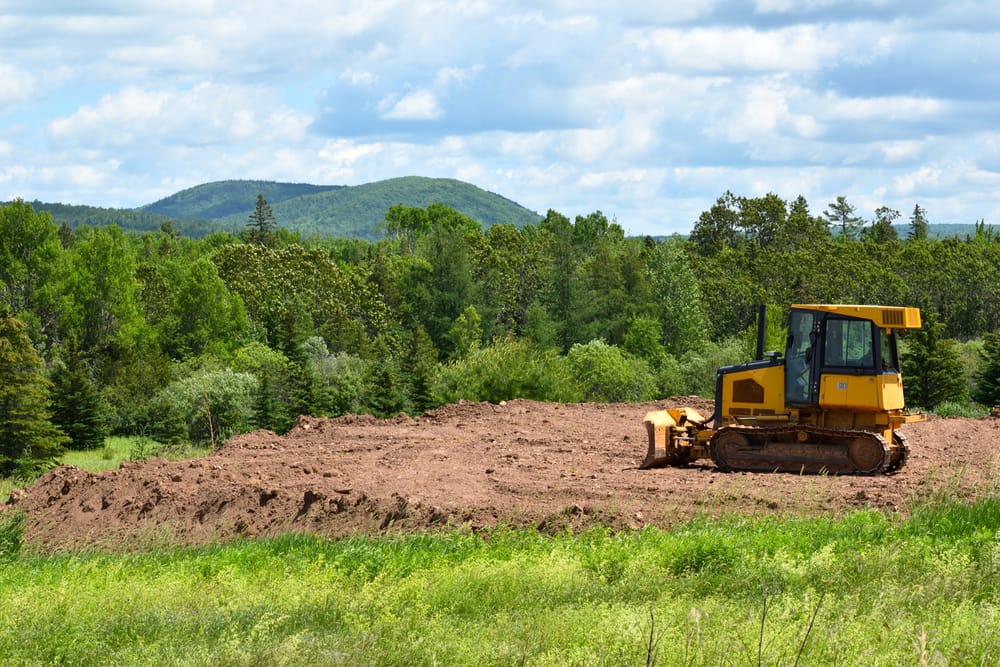
Developing a property is an exciting venture, but before any construction can begin, it’s essential to prepare the land properly. Land clearing is a critical first step in this process, as it ensures that your property is safe, stable, and suitable for building. If you’re planning a development project in Austin, understanding the ins and outs of land clearing will help you make informed decisions that save time, money, and resources.
What Is Land Clearing?
Land clearing is the process of removing trees, brush, rocks, and other obstacles from a piece of land to create a clean, level space for construction. It involves a series of tasks, including site preparation, grading, and debris removal. Whether you’re developing a residential area, commercial property, or agricultural space, land clearing Austin TX, is essential for creating a solid foundation for your project.
The Importance of Professional Land Clearing
Clearing land isn’t as simple as it may seem.It takes specific equipment and knowledge to guarantee the task is done accurately and safely. Without proper preparation, the land may not be stable enough for building, leading to costly issues down the road.
Hiring a professional land clearing service is crucial for a successful project. Professionals have the necessary tools and knowledge to handle different types of terrain, tree removal, and debris management, ensuring that the property meets local regulations and standards. They can also assess any environmental concerns, such as protected plant species or water sources, which may impact the clearing process.
Key Steps in Land Clearing
Land clearing involves several key steps, each contributing to the development process. Here’s a breakdown of what to expect:
1. Site Assessment
There is a detailed site assessment carried out prior to any clearance taking place. This step helps identify potential challenges, such as the presence of large rocks, dense tree coverage, or uneven terrain. Professionals also evaluate the soil condition, drainage patterns, and any existing structures or utilities that may affect the project. Understanding these factors allows the team to plan and prepare for effective clearing.
2. Tree and Vegetation Removal
Once the site is assessed, the next step is to remove trees and vegetation. This phase is critical as trees and brush can obstruct construction and prevent proper grading. Depending on the type and density of the vegetation, various methods are used, such as mechanical clearing with heavy machinery or hand clearing for more delicate areas.
In Austin, tree preservation is often a concern due to local regulations that protect specific species. Professional land clearing services ensure compliance with these rules while removing only the necessary vegetation to make room for development.
3. Grading and Leveling
After removing vegetation, the land must be graded and leveled. Grading involves reshaping the ground to create a stable, even surface for construction. This process helps control water runoff, prevents erosion, and prepares the site for future structures like buildings, roads, or drainage systems.
In Austin, where the landscape can be hilly and uneven, grading is particularly important. Professionals use specialized equipment such as bulldozers and excavators to move soil and adjust slopes, ensuring the land meets the required specifications for the development project.
4. Debris Removal and Disposal
Land clearing generates a significant amount of debris, including tree stumps, rocks, and other organic material. Proper disposal is crucial to keep the site clean and safe. In many cases, debris can be recycled or repurposed, such as using wood chips for landscaping or mulching purposes.
Professionals handle debris removal efficiently, ensuring it is transported off-site or processed according to environmental regulations. By managing debris properly, the land clearing process minimizes waste and promotes sustainability.
Why Choose Land Clearing in Austin?
Austin’s unique landscape and climate present both opportunities and challenges when it comes to land clearing. The city is known for its rocky terrain, dense tree coverage, and protected ecosystems, which all require careful consideration during development. Working with local experts familiar with land clearing in Austin ensures that your project adheres to city regulations and environmental standards.
Local professionals have experience navigating Austin’s zoning laws and tree protection ordinances, ensuring that your property is developed legally and sustainably. Whether you’re clearing land for a residential subdivision or a commercial site, partnering with experts in Austin makes the process smoother and more efficient.
The Benefits of Proper Land Clearing
Clearing your property properly offers several benefits, from enhancing safety to increasing the value of your land. Here are some key advantages:
1. Safety and Accessibility
Proper land clearing eliminates potential hazards such as fallen trees, loose rocks, and unstable soil, making the area safer for workers and machinery. It also improves accessibility, allowing construction crews to move equipment and materials around the site efficiently.
2. Increased Property Value
A well-cleared and graded property is more attractive to developers and buyers. When the land is prepared correctly, it becomes a blank canvas for future projects, whether residential or commercial. Investing in professional land clearing services can increase your property’s market value and appeal.
3. Improved Drainage and Erosion Control
Land clearing and grading improve drainage and help manage water flow, preventing issues like soil erosion and flooding. In Austin, where heavy rains can occur, proper drainage is essential to protect your property and future structures from water damage. By contouring the land and installing necessary drainage systems, professionals ensure your site is well-prepared for Austin’s weather conditions.
Sustainable Land Clearing Practices
Sustainability is a growing concern in Austin’s development projects. Many land clearing services now offer eco-friendly solutions, such as selective clearing that preserves native plants or wildlife habitats. Additionally, using low-impact equipment and recycling materials helps minimize the environmental footprint of the clearing process.
If sustainability is a priority for your project, choose a land clearing company that aligns with these values. Look for professionals who follow best practices for soil conservation, tree preservation, and waste management. This approach not only benefits the environment but also enhances the reputation and long-term success of your development.
Preparing for Your Land Clearing Project
If you’re ready to begin land clearing in Austin, it’s essential to plan ahead. Start by consulting with a professional land clearing service that has experience with Austin’s terrain and regulations. They will help you navigate the permitting process, identify any environmental concerns, and develop a strategy that meets your project goals.
Before the clearing begins, review the site plan with your contractor to ensure you understand each step of the process. This collaboration will help you anticipate potential challenges and make adjustments as needed. By working closely with professionals, you’ll set the stage for a successful, efficient development project.
Final Thoughts
Land clearing is a crucial step in preparing your property for development. By understanding the practical aspects of site preparation, grading, and debris removal, you can ensure your project starts on the right foot. Whether you’re developing a residential neighborhood or a commercial space, partnering with local experts in land clearing Austin can save time, reduce costs, and create a stable foundation for your future construction.


