



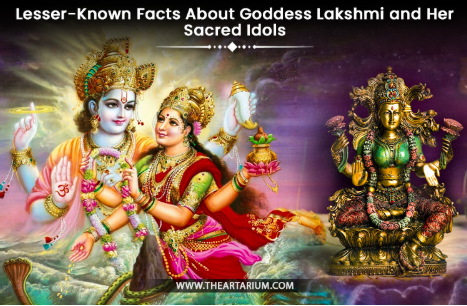
There’s something magical about stepping into an ancient temple and encountering a Lakshmi idol (Laxmi Murti) that seems to radiate divine energy. While most of us know Goddess Lakshmi as the harbinger of wealth and prosperity, there are fascinating secrets about this beloved deity that remain hidden in ancient texts and traditions.
The Mystery of the White Garments
One of the most intriguing revelations about Goddess Lakshmi challenges our common perception. While modern depictions often show her draped in red or gold silk, ancient scriptures paint a different picture. According to the Mahalakshmi Ashtakam, the goddess is traditionally dressed in pristine white garments (Shveta-Ambara-Dhare), symbolizing purity and spiritual abundance.
When you next encounter a Laxmi idol, look closely – authentic temple traditions often maintain this ancient representation, though it’s rarely seen in contemporary artwork. This white-clad form emerged during the cosmic churning of the ocean (Samudra Manthan), a detail preserved in the Mahabharata’s Adi Parva.
The Three-Eyed Blessing
Here’s a secret that might surprise even devoted followers – the traditional Laxmi Murti possesses three eyes, as described in the Shri Suktam of the Vedas. This lesser-known aspect aligns her with other powerful deities like Lord Shiva, representing her all-seeing wisdom and complete awareness of her devotees’ needs.
The Sacred Connection with Lotus
While we often see Goddess Lakshmi seated on a lotus, the significance runs deeper than mere symbolism. The goddess holds such a profound connection with this sacred flower that ancient texts refer to her as ‘Padmavati’ – the mistress of the lotus. Traditional craftsmen creating a Laxmi idol pay particular attention to this detail, ensuring the lotus pedestal represents the perfect blend of beauty and spiritual symbolism.
The Divine Forms: A Journey Through Lakshmi’s Sacred Manifestations
Picture yourself standing in a centuries-old temple courtyard, where the early morning sun catches the intricate details of a magnificent Laxmi Murti. The craftsmanship tells stories that span millennia, each curve and gesture holding profound spiritual significance. Let me share with you some of these captivating divine forms that most temple guides won’t mention.
The Lion Queen: An Unexpected Mount
While most of us associate Goddess Lakshmi with lotus seats and owls, here’s a fascinating secret that might surprise you – in certain ancient traditions, she rides a majestic lion! This lesser-known form of the Laxmi idol represents her as Dhairya Lakshmi, the goddess of courage and strength. Next time you visit an ancient temple, look for this rare depiction that combines divine grace with royal power.
The Universal Mother’s Many Hands
Traditional Laxmi Murti representations often show her with four hands, but did you know that some ancient texts describe forms with up to eight arms? Each hand holds specific divine objects – from the familiar lotus and golden coins to lesser-known symbols like the citrus fruit representing purification and the shield signifying protection. It’s like discovering a sacred language written in divine gestures!
The Eternal Partnership
Here’s something truly special about Laxmi idol placement in temples – she’s never far from Lord Vishnu, yet their positioning holds deep significance. In some ancient temples, you’ll find her positioned slightly higher than Vishnu, acknowledging her role as the Universal Mother. This arrangement reflects a beautiful secret from the Devi Bhagavata, where it’s mentioned that even Lord Vishnu worships her feet!
Guardian of Sacred Wisdom
Beyond wealth and prosperity, a traditional Laxmi Murti carries symbols of knowledge and wisdom. Look for the often-overlooked book or scroll in some representations – it’s a reminder that true abundance includes spiritual wealth. Ancient temple architects would strategically place these idols near learning spaces, creating an atmosphere of divine wisdom.
The Secret Rituals: Ancient Traditions of Lakshmi Worship
Close your eyes and imagine stepping into a centuries-old temple during the auspicious hour of dawn. The air is thick with incense, and the gentle chime of temple bells echoes through ancient corridors. Here, in these sacred spaces, some of the most fascinating secrets of Lakshmi worship continue to be practiced, passed down through generations of devoted priests.
The Sacred Position: More Than Just Placement
When you visit temples across India, you’ll notice something intriguing about Laxmi Murti placement – it’s never random! Ancient temple architects followed precise Vastu guidelines, believing that the goddess’s position could amplify her blessings. The most powerful spot? The northeast corner, where devotees often report feeling an inexplicable sense of peace and abundance.
The Mystery of Manabasa Gurubar
Journey to Odisha during the month of Margashira (November-December), and you’ll discover a lesser-known festival that reveals a beautiful secret about the goddess. Every Thursday, women gather to perform special rituals before the Laxmi idol, celebrating a tradition that dates back to the 15th century. This festival, known as Manabasa Gurubar, carries a powerful message of women’s empowerment and social equality – a secret aspect of Lakshmi worship that’s rarely discussed in mainstream narratives.
Conclusion
As our journey through these divine secrets comes to an end, remember that every Laxmi idol you encounter holds centuries of wisdom waiting to be discovered. Whether you’re a spiritual seeker or simply curious about ancient traditions, these insights offer a deeper understanding of one of Hinduism’s most beloved deities.
Frequently Asked Questions About Goddess Lakshmi
Q1: Why is Goddess Lakshmi called ‘Chanchala’? A: This fascinating name refers to her dynamic nature. Like fortune itself, she is ever-moving, blessing those who maintain purity of heart and dharmic conduct. Ancient texts mention how she can transform from being the most stable force (as Lord Vishnu’s eternal consort) to the most dynamic energy in the universe.
Q2: What is the significance of the owl associated with Lakshmi Murti? A: The owl, or uluka, represents the ability to see abundance even in darkness. It’s a reminder that prosperity isn’t just about material wealth but also about having the wisdom to recognize opportunities in challenging times.
Q3: Why should the Laxmi idol be worshipped along with Lord Ganesha? A: According to ancient traditions, Lord Ganesha is considered Lakshmi’s adopted son. Worshipping them together creates a perfect balance of new beginnings (Ganesha) and sustained prosperity (Lakshmi).
Q4: Is there a specific direction to place a Laxmi Murti at home? A: Yes! Traditional texts recommend placing the idol facing east or northeast. This alignment is believed to maximize the flow of positive energy and abundance in your living space.
Q5: Why is Friday considered special for Lakshmi worship? A: Friday, or Shukravar, is ruled by Venus (Shukra), the planet of prosperity and beauty. Ancient wisdom suggests that the goddess’s energy is particularly receptive on this day, making it ideal for special prayers and offerings.


