



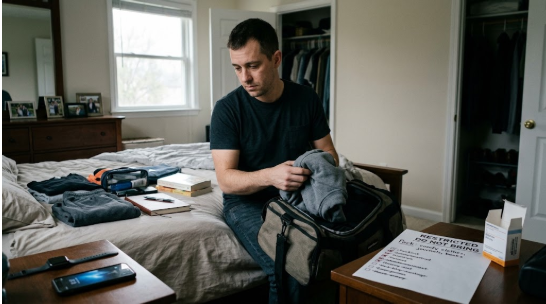
The bag usually gets packed the night before, sometimes in a hurry, sometimes by a parent or partner while the person heading to detox sits on the edge of the bed wondering what they’ve agreed to. It seems like a small task next to the decision itself. Still, showing up with the right things, and without the wrong ones, takes a surprising amount of friction out of the first few days.
Knowing what those days will feel like helps even more. Uncertainty feeds anxiety, and anxiety is already in plentiful supply at admission. A clearer picture of the week ahead can make it easier to stay put when the urge to leave shows up.
Before You Pack: Confirm the Basics
Every facility keeps its own list of allowed and prohibited items, and those lists differ more than people expect. One program may welcome a personal pillow while another asks that bedding stay home. Calling admissions a day or two ahead, or asking them to email their packing guidelines, saves the frustration of having belongings bagged and stored at check-in.
That call is also a good moment to confirm what time to arrive, whether someone can stay for the intake process, and which documents to bring. For people who haven’t yet found a bed, the search itself can feel overwhelming, especially when a crisis is unfolding. In that case, detox referral services can help identify facilities with openings that match a person’s substance history, insurance, and medical needs. Public resources such as FindTreatment.gov, run by the federal Substance Abuse and Mental Health Services Administration, can also help narrow down licensed options.
What to Bring
Think small, soft, and practical. Detox stays are often short, and laundry access is common, so a week’s worth of clothing is usually plenty.
Paperwork and Medical Information
A photo ID and insurance card top the list. Bring a written list of current prescriptions, doses, and the prescribing doctors’ names, along with any medications in their original pharmacy containers so the medical team can verify them. The staff will decide what to continue, adjust, or hold. A short list of phone numbers on paper is useful too, since phone access may be limited and few people have their contacts memorized.
Clothing That Works With a Rough Few Days
Withdrawal can bring chills one hour and sweating the next, so layers matter more than style. Loose sweatpants, soft T-shirts, a hoodie or cardigan, warm socks, and pajamas cover most needs. Slip-on shoes or sneakers without laces can make life simpler, and some facilities restrict laces or drawstrings for safety reasons. Modest clothing is generally expected.
Personal Care Items
Toothbrush, toothpaste, shampoo, deodorant, and similar basics are usually fine, but check the labels. Many programs prohibit products that list alcohol among the first ingredients, including some mouthwashes, hand sanitizers, and aftershaves. Unopened items tend to clear check-in faster. Aerosol cans are commonly restricted as well.
A Few Things for the Quiet Hours
There is often more downtime in detox than people expect, particularly once the worst symptoms ease. A paperback, a notebook and pen, a puzzle book, or a photo of someone who matters can make those hours easier. Some people find a journal especially helpful for tracking how they feel from one day to the next.
What to Leave at Home
The obvious items are alcohol, drugs, and paraphernalia. Bringing them in, even with the intention of handing them over, can complicate admission. Beyond that, most programs ask people to leave behind weapons of any kind, including pocketknives and multitools, along with over-the-counter medications and supplements that haven’t been cleared by staff.
Valuables are better left with family. Expensive jewelry, large amounts of cash, and designer items create unnecessary worry in a shared environment. Food and drinks from outside are frequently restricted, as are energy drinks.
Electronics deserve their own question to admissions. Some detox programs allow phones during set hours, others hold them for the entire stay. Either way, a brief note to work and family before admission, explaining that you’ll be hard to reach for a little while, prevents a lot of worried calls.
What the First Week Really Looks Like
No two detox experiences are identical. The substance involved, the amount and length of use, overall health, and any co-occurring conditions all shape how the week unfolds. Still, there are some common threads.
Day One: Intake and Assessment
The first hours tend to be the busiest. Expect questions about substance use history, mental health, medical conditions, and medications. Nurses will take vital signs and may draw blood or collect a urine sample. Belongings are checked. A physician or nurse practitioner typically reviews everything and sets up a plan for managing withdrawal.
It can feel like a lot of repetition. Honesty during this process matters, because the medical team uses those answers to decide which medications and monitoring will keep the person safe.
Days Two Through Four: The Steepest Stretch
For many people, withdrawal symptoms build during the first couple of days. With alcohol, symptoms such as shakiness, sweating, nausea, anxiety, and poor sleep can begin within hours of the last drink, and medical teams watch closely for more serious complications. Opioid withdrawal often resembles a bad flu, with aches, stomach upset, runny nose, and restlessness. Withdrawal from benzodiazepines is handled with particular care and is often managed with a gradual taper, because stopping suddenly can be dangerous.
Medical staff use medications to ease symptoms and reduce risks, and they check in regularly. This is often the point where people most want to leave. Knowing in advance that it’s the hardest part, and that it typically eases, can help.
Days Five Through Seven: Finding Some Footing
As acute symptoms settle, appetite often returns and sleep slowly improves, though it may still be uneven. Some lingering anxiety, low mood, or fatigue is common. Many programs begin introducing counseling, education groups, or one-on-one sessions during this stretch.
This is also when discharge planning gets serious. Detox addresses the physical side of dependence, but it isn’t treatment for addiction on its own, so the next step matters a great deal.
Planning What Comes After
The most useful thing a person can leave detox with is a confirmed next placement, whether that’s residential care, a partial hospitalization program, intensive outpatient treatment, or outpatient therapy combined with medication. A gap of even a few days between detox and ongoing care can be risky, especially since tolerance drops quickly after a period without using.
Some people choose to continue treatment somewhere new to put distance between themselves and familiar triggers. Anyone weighing South Florida drug and alcohol rehab programs or facilities in another region can ask the detox team to help coordinate records, medications, and travel timing so the handoff happens smoothly. Programs that also address depression, anxiety, or trauma are worth prioritizing for people managing more than one condition.
A Short Checklist for the Night Before
ID and insurance card. Medication list and original bottles. A few days of comfortable, layered clothing and easy shoes. Alcohol-free toiletries. A book, notebook, and pen. Important phone numbers written down. Valuables, outside medications, and anything containing alcohol left at home.
The bag doesn’t need to be perfect. The person carrying it simply needs to walk through the door, and everything in that first week is designed to help them get to the next one.


