



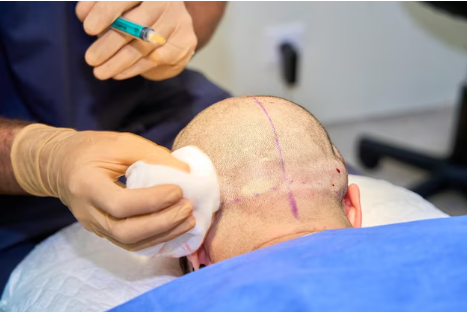
Hair loss can be a distressing, affecting confidence and self-esteem. With advancements in hair healing, the sapphire micro FUE hair transplant has emerged as a modern solution. This method offers herbal-looking results,minimal scarring, and a faster healing system. However, the success of the transplant largely depends on proper aftercare and recovery. In this guide, we’ll discover the recovery timeline, essential aftercare guidelines, and what to expect after undergoing a Micro FUE hair transplant.
Understanding Sapphire Micro FUE Hair Transplant
The sapphire micro FUE hair transplant is a sophisticated technique in hair restoration that uses sapphire blades instead of traditional metal ones. These ultra-sharp sapphire blades create precise incisions, reducing trauma to the scalp and ensuring a quicker healing process. Unlike traditional transplants, the Sapphire hair transplant minimizes scarring and maximizes follicle survival, making it a preferred choice among patients in search of hair restoration.
Recovery Timeline After Sapphire Micro FUE Hair Transplant
Understanding the healing levels can help sufferers control their expectations and ensure a smooth recuperation process.
1-3 Days Post-Surgery: Immediate Aftercare
- Patients might experience mild swelling and redness on the scalp.
- It is vital to sleep with an accelerated head position to reduce swelling.
- Avoid touching or scratching the treated area.
- Follow the prescribed antibiotic course to prevent infections.
4-7 Days Post-Surgery: Healing Progress
- Scabs start forming around the implanted grafts, which is a normal part of the healing process.
- Gentle washing with advocated shampoos can begin after five days.
- Avoid excessive sun exposure and rigorous physical activity.
2-4 Weeks Post-Surgery: Shedding Phase
- Transplanted hair may begin shedding, referred to as “shock loss,” which is completely normal.
- Continue maintaining scalp hygiene and avoid harsh hair products.
- It’s important to stay hydrated and maintain a nutritious diet to support follicle growth.
1-3 Months Post-Surgery: New Hair Growth Begins
- Tiny new hairs begin emerging from the transplanted follicles.
- Some sufferers may experience minor itching or tingling sensations, indicating hair growth activity.
- Follow-up appointments with the doctor are essential to monitor progress.
4-6 Months Post-Surgery: Visible Improvement
- Hair growth becomes more noticeable, though it may still be fine and light.
- Patients can return to normal hair care routines but should avoid harsh treatments.
- A healthy lifestyle and proper scalp care are essential for maintaining results.
6-12 Months Post-Surgery: Full Results
- The final results of the Micro FUE hair transplant are visible around the 12-month mark.
- Hair thickens and gains a more natural texture.
- Proper aftercare and regular nourishment ensure long-lasting, healthy hair growth.
Essential Aftercare Tips for Sapphire Hair Transplant Recovery
Following a proper aftercare routine significantly impacts the success of a sapphire micro FUE hair transplant. Here are some critical tips:
1. Maintain Proper Scalp Hygiene
- USe mild, sulphate-free shampoos & avoid scrubbing the scalp for at least two weeks.Use moderate, sulfate-loose shampoos and keep away from scrubbing the scalp for at least two weeks.
- Gently pat dry instead of rubbing.
2. Stay Hydrated & Eat Nutritious FoodsKeep Getting Hydrated and Eating Healthy Foods
- Drink plenty of water and maintain a diet rich in vitamins & proteins to support faster healing & hair growth.Incorporated with your healing, drink lots of refreshing water and eat a diet rich in vitamins and proteins in faster healing and hair growth support.
3. Avoid Smoking and Alcohol
- Nicotine and alcohol can hinder blood circulation, slowing the recovery process.
- It’s best to avoid them for at least a month’s post-surgery.
4. Protect Your Scalp from Sun Exposure
- Direct daylight can irritate the scalp and delay healing.
- Wear a loose-fitting hat when stepping outdoors.
5. Follow the Doctor’s Instructions Strictly
- Adhering to post-surgery guidelines and taking prescribed medications ensures optimal results & minimizes complications.
Common Side Effects and How to Manage Them
Although the sapphire micro FUE hair transplant is a minimally invasive procedure, some patients may experience temporary side effects, including:
Swelling: Use cold compresses and sleep with an elevated head.
Itching: Apply recommended moisturizing sprays to prevent excessive dryness.
Redness: This typically subsides within a few weeks.
Minor Pain: Over-the-counter pain relievers can help manage discomfort.
Addressing Patient Concerns:
Achieve the Best Results with Sapphire Hair Transplant
Choosing a sapphire micro FUE hair transplant is a life-changing decision for those struggling with hair loss. With advanced technology, minimum downtime, and natural-looking results, it stands out as one of the best hair restoration solutions. To ensure the best outcome, meticulous aftercare and patience are key.
For the ones considering a Micro FUE hair transplant, BlueMagic Group International offers expert consultations and world-class services, ensuring that every patient experiences a seamless and successful hair restoration journey.
FAQs
- When can I resume my everyday activities after a Sapphire hair transplant?
Most patients can resume mild activities within 3-5 days. However, strenuous exercise should be avoided for at least two weeks.
- How long does it take to see complete results after a Micro FUE hair transplant?
Visible hair growth typically begins around three months, with full results usually seen after one year.
- Can I wear a hat after the sapphire micro FUE hair transplant?
Yes, but only after the first 7-10 days. Ensure that the hat is loose-fitting- to avoid pressure on the grafts.
- Will the transplanted hair look natural?
Yes, the Sapphire hair transplant technique ensures precise implantation, leading to natural hair growth and density.
- Is the procedure painful?
The surgery is performed under local anesthesia, making it virtually pain-free. Mild discomfort may be experienced during the recovery phase.


