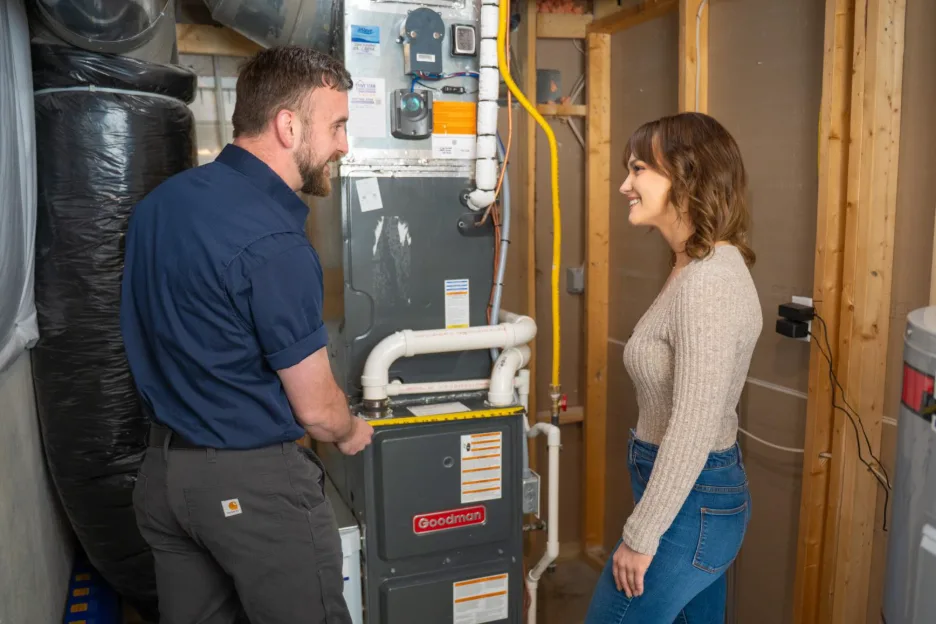
As winter approaches and temperatures drop, homeowners often face the dilemma of whether to repair or replace an aging furnace. This decision can have significant financial and comfort implications, especially as older systems become less efficient and more prone to breakdowns. Understanding the factors that influence this choice is crucial for maintaining a warm, safe, and cost-effective home environment. From evaluating the age and condition of your furnace to considering energy efficiency and long-term savings, making an informed decision can help you avoid unnecessary expenses and ensure reliable heating throughout the colder months.
What to Consider When Deciding
Signs Your Furnace May Need Attention
When your furnace starts showing signs of trouble, it’s important to pay close attention to its performance and reliability. Common indicators that your furnace may need attention include frequent cycling on and off, uneven heating throughout your home, strange noises such as banging or rattling, and a noticeable increase in energy bills. These symptoms often point to underlying issues that could worsen over time if not addressed. Additionally, if your furnace struggles to maintain the desired temperature or emits unusual odors, it may be time to consult a professional for a thorough inspection. Ignoring these warning signs can lead to more severe problems, including complete system failure during the coldest days of the year. Addressing issues early not only helps maintain comfort but can also extend the lifespan of your heating system and prevent costly emergency repairs.
Evaluating the Age and Efficiency of Your Furnace
The age of your furnace plays a significant role in determining whether repair or replacement is the smarter choice. Most furnaces have a typical lifespan of 15 to 20 years, depending on the brand, maintenance history, and usage patterns. As a furnace ages, its efficiency tends to decline, resulting in higher energy consumption and increased utility bills. Modern furnaces are designed to be more energy-efficient, often featuring advanced technology that can significantly reduce heating costs. If your furnace is approaching or has surpassed the 15-year mark, it’s wise to assess its current performance and compare it to newer models. Upgrading to a high-efficiency unit can offer substantial long-term savings and improved comfort. However, if your furnace is relatively young and has been well-maintained, repairing minor issues may be the more cost-effective solution. Consulting with a trusted hvac professional can help you weigh the pros and cons based on your specific situation and budget.
Cost Considerations: Repair vs. Replacement
One of the most important factors in deciding between repairing and replacing your furnace is the cost involved. Repairing a furnace can be a practical option if the issue is minor and the unit is still within its expected lifespan. However, frequent repairs can quickly add up, making replacement a more financially sound decision in the long run. When evaluating costs, consider not only the immediate expense of repairs but also the potential for future breakdowns and the impact on your energy bills. Newer furnaces are generally more efficient, which can lead to lower monthly heating costs and offset the initial investment over time. Additionally, many manufacturers offer warranties on new systems, providing peace of mind and protection against unexpected expenses. It’s essential to calculate the total cost of ownership, including maintenance, repairs, and energy usage, to determine which option offers the greatest value for your home and budget.
Deciding whether to sink money into an aging heating system often comes down to a careful assessment of component longevity and efficiency. While minor issues like a faulty ignitor or a clogged filter are straightforward to address, a cracked heat exchanger presents a much more significant financial and safety crossroads. For many homeowners, a professional furnace repair can extend the life of a mid-age unit by several years, providing a cost-effective alternative to a full system overhaul. However, if the repair estimates consistently exceed a significant portion of the replacement cost, it may be time to transition toward a modern, high-efficiency model that offers better long-term reliability and lower utility expenses.
Evaluating the long-term viability of a heating system requires a balanced look at both immediate costs and future reliability. While the 50% rule offers a helpful baseline, you must also consider the hidden expenses of declining efficiency and the potential for cascading part failures. Taking the time to Read more about local equipment performance standards allows for a more comprehensive comparison between legacy technology and current high-efficiency options. Upgrading to a modern unit often resolves persistent comfort issues like cold spots or weak airflow that simple repairs cannot address. By prioritizing long-term value over temporary fixes, homeowners can secure a more predictable and cost-effective environment for their families for another two decades.
The Importance of Safety and Reliability
Safety should always be a top priority when dealing with an aging furnace. Older units are more susceptible to issues such as cracked heat exchangers, faulty wiring, and gas leaks, all of which can pose serious health and safety risks. Carbon monoxide leaks, in particular, are a significant concern with older furnaces and can be life-threatening if not detected promptly. Regular maintenance and timely repairs can help mitigate these risks, but there comes a point when replacement is the safer option. Investing in a new furnace ensures that your heating system meets current safety standards and operates reliably throughout the winter months. Reliable heating is especially important for households with young children, elderly family members, or individuals with health conditions that make them more vulnerable to cold temperatures. Prioritizing safety and reliability can provide peace of mind and protect your family from potential hazards associated with an outdated furnace.
Deciding whether to sink more money into an aging unit requires a careful look at both the immediate mechanical failure and the broader history of the system. While minor issues like a faulty sensor or a clogged filter are simple fixes, recurring problems often signal that the internal components are reaching their limit. Homeowners who find themselves frequently searching for a reliable furnace repair service in Yuba City may realize that the cumulative cost of these service calls quickly approaches the price of a modern, high-efficiency model. Evaluating the 50% rule helps clarify this choice, ensuring that your investment goes toward long-term reliability rather than just a temporary patch for a failing system.
Energy Efficiency and Environmental Impact
Upgrading to a modern, energy-efficient furnace can have a positive impact on both your wallet and the environment. Newer furnaces are designed to use less fuel while delivering the same or greater levels of comfort, resulting in lower greenhouse gas emissions and reduced energy consumption. This not only helps you save money on heating costs but also contributes to a more sustainable future. Many high-efficiency furnaces qualify for rebates and incentives, making the initial investment more affordable. Additionally, improved energy efficiency can enhance indoor air quality by reducing the amount of dust, allergens, and pollutants circulated throughout your home. If environmental responsibility is a priority for you, replacing an old, inefficient furnace with a modern model is a step in the right direction. Over time, the benefits of increased efficiency and reduced environmental impact can outweigh the upfront costs associated with replacement.
When a Quick Fix Makes Sense
In some cases, a quick repair is all that’s needed to restore your furnace’s performance and keep your home comfortable. If your furnace is relatively new, has a solid maintenance record, and the issue is minor—such as a faulty thermostat or a worn-out ignitor—opting for a repair can be a sensible and cost-effective solution. Addressing small problems promptly can prevent them from escalating into more serious and expensive issues down the road. However, it’s important to monitor your furnace’s overall condition and be prepared to consider replacement if repairs become more frequent or costly. Regular maintenance and timely repairs can help maximize the lifespan of your furnace and ensure reliable operation throughout the heating season.
Conclusion
Deciding whether to repair or replace an aging furnace is a significant choice that affects your home’s comfort, safety, and financial well-being. By carefully evaluating the age, efficiency, and condition of your furnace, as well as considering the costs and potential risks involved, you can make a decision that aligns with your needs and priorities. Investing in a new, energy-efficient furnace can offer long-term savings and peace of mind, while timely repairs can extend the life of a newer unit. Ultimately, staying informed and proactive about your heating system ensures that your home remains warm, safe, and comfortable for years to come.