



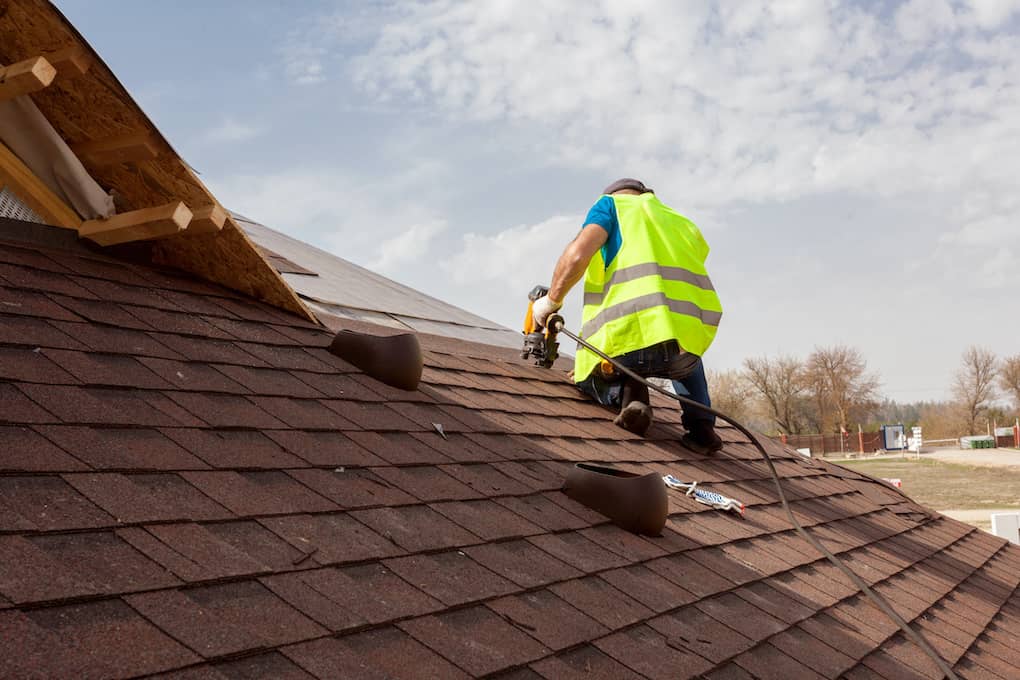
Lexington’s iconic blue skies and rolling hills are a beautiful sight, but keeping them that way often involves roof maintenance. Whether you’re a seasoned Lexingtonian or a new resident, the allure of a DIY project to tackle those roof repairs can be strong. However, before you grab your hammer and nails, safety should be your top priority. Slips, falls, and improper handling of materials can turn a weekend project into a trip to the emergency room.
This guide equips Lexington’s DIY heroes with the knowledge they need to conquer their roofs safely and effectively. We’ll delve into essential safety measures, proper equipment selection, working conditions, and even resources for finding qualified help when needed.
Safety First: A Non-Negotiable Foundation
-
Know Your Limits: Be honest with yourself. Steep roofs, complex repairs, or heavy material handling are best left to professional Lexington roofers. Focus on smaller projects with easy access for a successful and safe DIY experience.
-
Weather Woes: Don’t tempt fate. Schedule your project for clear, dry days with calm winds. Rain, snow, or high winds significantly increase the risk of slips and falls.
-
Buddy Up: Working alone on a roof is a recipe for disaster. Enlist a responsible friend or family member to be your ground support. They can assist with handing you materials, spotting potential hazards, and calling for help in case of an emergency.
-
Fall Protection is Paramount: Falls are the leading cause of injury during roof repairs. Invest in a proper fall protection harness and secure it to a sturdy anchor point on the roof. Double-check all connections before beginning any work.
Gearing Up for Roof Readiness
Having the right equipment is crucial for both safety and efficiency. Here’s a breakdown of the essentials:
-
Sturdy Footwear: Look for work boots with good traction, preferably slip-resistant soles. Avoid smooth-soled shoes or sandals at all costs.
-
Fall Protection Harness: As mentioned earlier, a harness is non-negotiable. Choose one that fits comfortably and allows for ease of movement.
-
Work Gloves: Protect your hands from cuts and blisters with heavy-duty work gloves. Leather or a similar durable material is ideal.
-
Safety Glasses: Flying debris is a constant threat. Wear safety glasses that meet ANSI Z87.1 standards to shield your eyes.
-
Long Pants and Long-Sleeved Shirt: This protects your skin from sun exposure, scrapes, and potential contact with insulation materials.
-
Tool Belt and Tools: Keep your tools organized and readily accessible with a tool belt. Only use tools you’re familiar with and in good condition.
Prepping Your Lexington Roof for Action
Before ascending to your Lexington rooftop, take some time to prepare the work area:
-
Clear the Work Area: Remove any furniture, planters, or decorations from around the base of the house that could be damaged by falling debris.
-
Inspect the Roof: Look for any existing damage, loose shingles, or potential hazards before starting your repairs.
-
Cover Nearby Openings: Use tarps or plywood to cover vents, skylights, or openings that could allow debris to fall inside the house.
-
Lay Down Protection: Consider placing plywood or drop cloths on walkways or driveways below your work area to catch any falling materials.
Essential Techniques for Safe and Efficient Work
Now that you’re geared up and prepared, here are some key techniques to remember:
-
Three Points of Contact: Maintain three points of contact with the roof at all times – two hands and a foot, or two feet and a hand – for maximum stability.
-
Move Slowly and Deliberately: Avoid rushing. Take your time and focus on each step to minimize the risk of slips or falls.
-
Start at the Bottom and Work Up: This prevents dislodged materials from falling on you as you work.
-
Use a Roofing Bracket for Stability: If working on a steep slope, consider using a roofing bracket that hooks onto the roof structure and provides a secure anchor point for your fall protection harness.
-
Keep Your Tools Close: Secure your tools to your tool belt or use a bucket with a lanyard to prevent them from accidentally falling.
When to Call in the Professionals: Lexington’s Roofing Resources
While a DIY roof repair Lexington KY can be a rewarding experience, recognizing your limitations is crucial. Here are some signs it’s best to call in a professional Lexington roofing contractor:
-
Steep or Complex Roofs: Steep slopes or roofs with multiple levels are inherently more dangerous. Leave these to the pros who have the experience and equipment to handle them safely.
-
Extensive Damage: If your roof has sustained significant damage from storms, falling trees, or age, a professional assessment and repair are essential. They can identify underlying structural issues and ensure a long-lasting, secure repair.
-
Lack of Confidence: If you’re unsure about any aspect of the project, from safety procedures to proper repair techniques, don’t hesitate to call a professional. It’s better to be safe than sorry.
Finding the Right Lexington Roofing Contractor
Lexington boasts a variety of qualified roofing contractors; looking for one?
-
Get Recommendations: Ask friends, neighbors, or local contractors for recommendations.
-
Check Online Reviews: Read online reviews on platforms like Google My Business or the Better Business Bureau (BBB) to get a sense of the contractor’s reputation and customer satisfaction.
-
Get Multiple Estimates: Asking for quotes from different contractors to compare pricing and services is a good practice.
-
Ask Questions: Don’t be afraid to ask questions about the contractor’s experience, licensing, insurance coverage, and warranty policies.
Lexington’s DIY spirit is admirable, but safety should never be compromised. By following these tips, Lexington’s intrepid DIYers can approach their roofing projects with confidence and ensure a successful – and safe – outcome. Remember, a little planning and preparation can go a long way in transforming your Lexington rooftop project from a potential disaster into a badge of honor.
While tackling roofing projects, prioritizing your safety is crucial. Using the appropriate gear can prevent injuries, especially when working on uneven or slippery surfaces. For those spending hours kneeling, it’s important to protect your knees. Go to this web-site to discover a range of high-quality kneeling mats that provide essential comfort and protection, ensuring you can focus on the task at hand without discomfort.


