



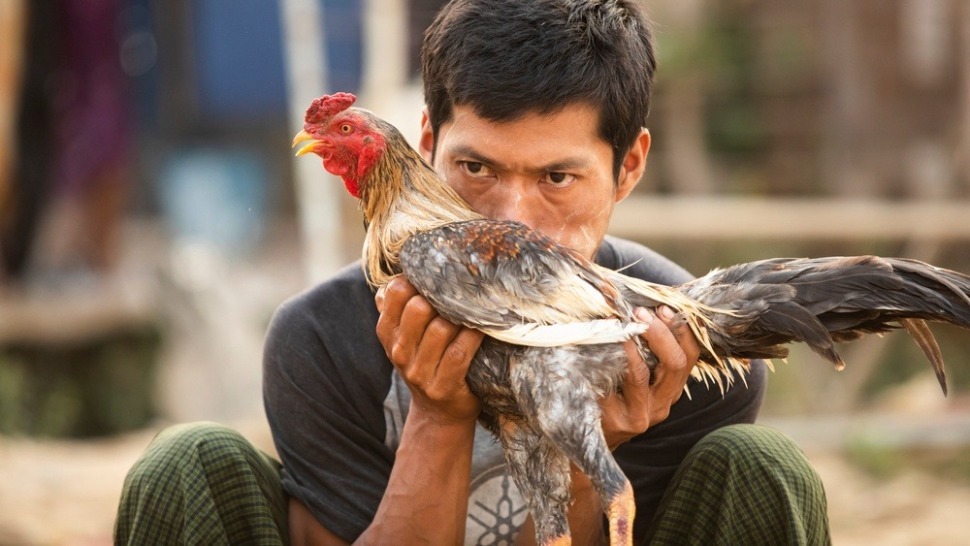
Sabong, or Filipino cockfighting, is not merely a sport; it stands as a profound cultural heritage that encapsulates the fervor and spirit of the Filipino people. Dating back over 3,000 years, sabong has evolved beyond a form of entertainment to become a ceremonial ritual that strengthens community ties and celebrates the deep-rooted tradition of bravery and honor in the Philippines.
The origin of sabong can be traced back to the indigenous tribes of the Philippines long before Spanish colonization in the 16th century. The ritual was not only a test of strength and strategy between the competing roosters but also a way to settle disputes and strengthen alliances among tribes. Through centuries, despite various colonial and administrative changes, sabong has remained an integral part of Filipino societal fabric.
Sabong in the Pre-Colonial Philippines
In pre-colonial times, sabong was more than just a pastime; it was a vital component of ritualistic gatherings and festive celebrations. Roosters were considered sacred creatures that carried the bravery and the spirits of ancient warriors. It was believed that the outcome of a cockfight could forecast the success of the harvest season, influence personal fortunes, and even determine the outcome of larger tribal conflicts.
Transformation Under Spanish Rule
With the arrival of the Spanish in the late 1500s, sabong was integrated into the religious and festive activities of the colonizers, who saw it as a lucrative opportunity for taxation. The Spanish organized formal cockpits, known as galleras, and introduced betting systems, transforming sabong from a tribal activity into a commercial enterprise. This integration helped preserve sabong, embedding it further into the cultural psyche of the Filipinos, creating a unique blend of native tradition and foreign influence.
The Cultural Significance of Sabong Today
Today, sabong is not only a popular hobby but also a major economic activity in the Philippines. It is estimated that millions of Filipinos participate in sabong, either as cock breeders, trainers, gamblers, or spectators. The sport generates significant economic activity and provides livelihoods across various sectors, from agriculture (for feed and supplements) to construction (for arena building).
Community and Camaraderie
Beyond the economic aspects, sabong plays a critical role in maintaining the social structure of communities. Cockfighting arenas, or sabungan, serve as social hubs where people from various backgrounds meet, share stories, and forge relationships. The events are festive, filled with music, food, and camaraderie, reinforcing community bonds.
Legal Framework and Ethical Considerations
Sabong is regulated by the Philippine government under the Games and Amusements Board, ensuring that all activities are conducted within ethical and legal standards. While controversial, sabong includes strict regulations to ensure the welfare of the birds and fairness in matches.
Preservation of Heritage and Modern Challenges
The challenge for sabong in the modern era is balancing tradition with progressive animal welfare standards. While it is a revered tradition, the ethical implications of animal sports have led to debates both locally and internationally. Advocates for the sport argue that, with proper regulation, sabong philippines can continue as a cultural practice that honors its rich heritage while adhering to modern standards of animal welfare.
Technological Integration in Sabong
The digital age has also transformed sabong, with live broadcasts and online betting increasing its accessibility and popularity. This technological shift ensures that sabong reaches a wider audience, preserving its cultural relevance among younger generations who might not otherwise engage with the tradition.
Conclusion: The Future of Sabong
As the Philippines continues to evolve, so too does sabong, adapting to modern times while retaining its historical essence. For many Filipinos, sabong remains a poignant symbol of their cultural identity, resonating with the values of bravery, honor, and community cohesion. As such, it is more than just a sport; it is a living tradition that continues to contribute to the social and economic fabric of the Philippines.
Understanding sabong from a comprehensive perspective reveals its significance as a cultural artifact, steeped in history yet dynamically evolving. It encapsulates the unyielding spirit of the Filipino people, reflecting their passions, values, and communal ties through centuries of tradition and modernization.
For more info please visit here:
Website: https://sabonginternational.in/
Phone: 0996 828 1126
Address: 2006 Dominga Street, Pasay, 1306 Metro Manila


