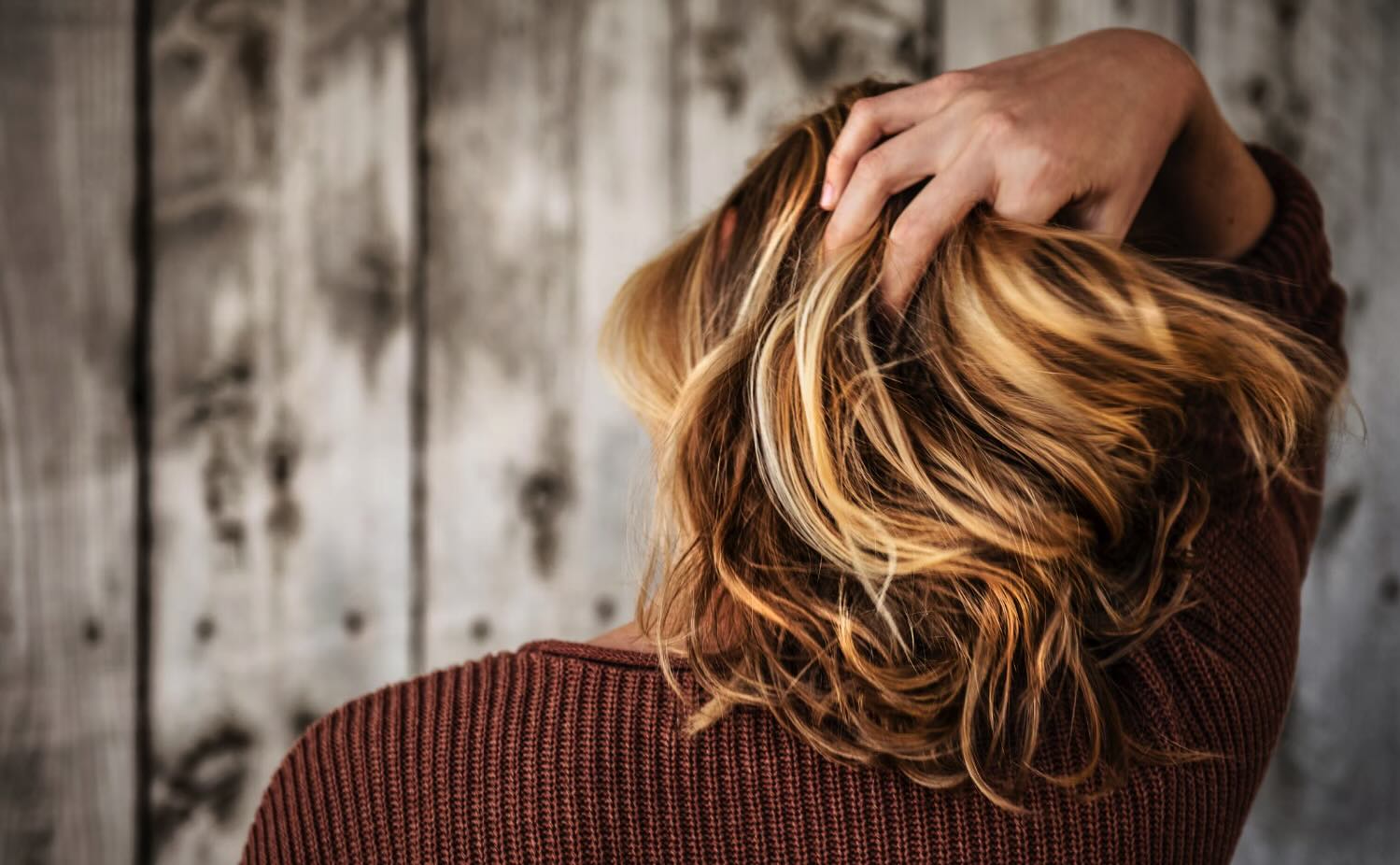
Hair loss is a serious issue that is becoming more and more prevalent nowadays. When dealing with hair loss, finding the best hair fall medicine is crucial, especially for those with sensitive scalps. Sensitive scalps are not responsive to all medications and certain medications intended to treat the scalp can have a very adverse impact on it, leading to further damage.
Understanding Sensitive Scalp
A sensitive scalp often has itching, burning, dryness and even redness. These are some of the common symptoms. Such scalps do not agree with certain hair treatments and products. Hence, choosing the right hair fall medicine specifically designed for sensitive scalps is very important.
Key Safety Considerations
Ingredients to Avoid: As mentioned earlier, sensitive scalps can have a negative reaction to harsh treatments involving chemicals and such. When looking out for hair fall medicines, you need to avoid those which contain sulfates as they can strip your scalp off its natural oils. This could lead to dryness and itchiness. Parabens are also preservatives that cause allergic reactions to the scalp. Medicines or shampoos containing artificial fragrances and color and even alcohol can be hard on the scalp and cause dryness.
Websites like Actorznetworth.com, Fashionsdazzle.com, and Wibliqx.com cater to unique interests. From uncovering celebrity wealth on Actorznetworth to the latest fashion trends on Fashionsdazzle, and engaging content on Wibliqx, they serve as gateways to curated insights and entertainment.
Gentle Ingredients to Look For: Choose hair fall medicines that have natural and soothing ingredients that go easy on your scalp and hair. Aloe vera, chamomile, tea tree oil, panthenol and niacinamide are all ingredients that have positive impact on the scalp. They are effective and are very gentle on the scalp. Aloe and chamomile have soothing properties and moisturize your scalp. Tea tree oil and even chamomile have anti-inflammatory and antimicrobial properties. The other two moisturize and improve scalp health, thereby strengthening the hair.
pH-Balanced Formulations: Choosing a hair fall medicine with a pH close to that of the scalp (around 5.5) can help maintain the scalp’s natural barrier and prevent irritation.
Recommended Hair Fall Medicines for Sensitive Scalp
Minoxidil: It is one of the most widely used topical treatments for hair. It is an over-the-counter treatment that stimulates hair growth and slows hair loss. When buying, choose a foam version with a concentration of 2% to check how your scalp reacts. You also need to keep an eye for concoctions that do not have propylene glycol which is a common irritant.
Natural Oils and Serums: Natural oils like rosemary oil for hair, peppermint, and tea tree oil can support scalp health and hair growth. Rosemary improves scalp health, while peppermint stimulates blood flow to the scalp, and argan moisturizes and nourishes it.
Homeopathic Treatments: Homeopathic treatments are effective and are long lasting. Being non-invasive, they do not have any adverse effect on the scalp. Homeopathy as a principle also goes after the root cause of the problem and hence, brings out overall wellness.
Application and Care Tips
Patch Testing: Before using any new hair fall medicine, regardless of the make, it is essential to first try it out first to see how your scalp and hair reacts. Put on a small patch and wait 24 hours to see if there are any unwanted reactions.
Gentle Application: Always apply gently in soft circular motions to avoid undue friction on the scalp as it could cause irritation. Excessive rubbing should also be avoided.
Scalp Care Routine: Having a proper routine to take care of your scalp. This discipline will ensure there is a set process in place. These can include regular cleansing, moisturizing and some sun protection by using products that have UV protection.
Choosing the best hair fall medicine is very important if you are looking to get a positive impact on your scalp. Turning towards medicine, mostly means that your hair and/or scalp is in a negative state and therefore the right kind of treatment is a must. While there are a plethora of medicines out there that address scalp and hair health problems, you still need to be careful when picking one. Consult a good hair doctor, who can suggest medicines that go with your particular condition. Treatment for the same condition may vary from person to person. A dermatologist or hair specialist will know what medicines will have any adverse impact on your scalp and what will have a positive one. Ensure that you are choosing the right one.