



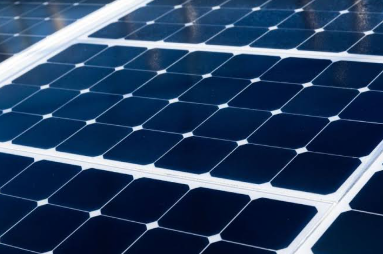
The energy revolution is here—and its fuel is powered by the sun. Solar energy stands at the forefront of sustainable power generation: clean, affordable, and practically limitless. As one of the fastest-growing renewable energy sources worldwide, solar power offers a path toward energy independence, environmental protection, and economic opportunity—while combatting the pressing threat of climate change.
1. Clean Energy for a Healthier Planet
Solar power produces electricity without emitting carbon dioxide, sulfur dioxide, nitrogen oxides, or particulate pollution. Unlike fossil fuels, solar energy releases no greenhouse gases during operation. Photovoltaic (PV) panels of billige solceller convert sunlight directly into clean electricity, and solar-thermal systems harness heat for water and space heating with virtually zero emissions during use.
By replacing carbon-intensive energy sources, solar power helps mitigate global warming and improves air quality. According to the International Energy Agency, solar PV has become one of the fastest-growing sources of low-carbon electricity generation globally, aligning with climate targets and pushing us toward a cleaner, healthier future.
2. Affordable and Rapidly Falling Costs
Once considered a niche and expensive technology, solar power has experienced remarkable cost reductions over the past decade. Module prices have dropped substantially, and improvements in manufacturing, materials, and mounting systems have made solar installations more accessible than ever.
Governments and utilities around the world now routinely offer incentives, feed-in tariffs, tax credits, and net metering—making rooftop and ground-mounted solar installations financially attractive for homeowners and businesses alike. In many regions, solar power has even reached “grid parity,” where it becomes competitive with conventional grid electricity without additional subsidies.
When paired with energy storage or smart-grid technologies, solar systems provide resilience and flexibility—offering cost savings and protection against outages.
3. Virtually Endless Supply
The sun delivers an extraordinary amount of energy—far more than humanity could ever consume. Every hour, the Earth’s surface receives enough solar energy to meet global energy demand for an entire year. While only a tiny fraction is currently harnessed, solar power is among the most renewable and sustainable energy sources imaginable.
Unlike fossil fuels with finite, depleting reserves, solar energy is effectively infinite on human timescales. As long as our planet receives sunlight, solar panels can generate electricity.
4. Diverse Applications and Technological Innovation
Solar power shines in its versatility. PV panels are deployed on rooftops, ground-mounted farms, floating platforms, and even integrated into building materials like windows and facades. Solar-thermal systems are used for water heating, industrial process heat, desalination, refrigeration, and even space heating.
Rapid advances in efficiency, storage (e.g., lithium-ion and emerging battery technologies), and system integration boost solar’s value. Smart-grid systems, demand-response strategies, and electric vehicle integration are increasingly leveraging solar power’s flexibility and scalability.
5. Job Creation and Economic Growth
The solar industry generates jobs across the supply chain—from manufacturing panels and inverters, to system design, installation, financing, and maintenance. In many countries, solar employment has grown faster than other energy sectors, creating opportunities in both urban and rural areas. As solar becomes mainstream, communities can benefit from local investment, tax revenues, and skilled employment.
6. Community and Off-Grid Solutions
In remote or underserved regions with limited grid access, solar power provides reliable electricity where few alternatives exist. Microgrids, solar home systems, and mini-grids transform lives—enabling lighting, communication, education, healthcare, and small-scale enterprise. Solar energy is delivering clean, dependable power to communities worldwide.
7. The Role of Local Installers—Example: solee.dk
While the promise of solar power is global, the reality rests in local action. Companies like solee.dk, based in Denmark, play an essential role in bringing solar energy to rooftops and businesses. By installing high-quality solar cell systems across Danish homes and enterprises, solee.dk helps families and organizations tap into clean, cost-effective, and sustainable energy.
With expertise in system design, installation, project management, and maintenance, solee.dk ensures each installation is optimized for performance, durability, and local conditions. Their involvement exemplifies how regional companies translate solar’s promise into real-world impact—empowering communities to generate their own power and reduce carbon footprints.
8. Overcoming Challenges
Solar energy is not without its hurdles. Intermittency—when the sun doesn’t shine—is the primary limitation. However, advances in storage, grid management, and hybrid systems (combining solar with wind, hydro, or conventional sources) address these concerns.
Land use is another consideration—large ground-mounted installations can compete with agriculture or ecosystems. But creative solutions like rooftop solar, agrivoltaics (combining farming and solar), and floating PV help reduce land conflicts.
Finally, recycling and end-of-life management of solar panels must be scaled to ensure sustainability. Industry efforts are advancing in this area, creating recycling pathways for panels and recovering valuable materials.
Conclusion
Solar power stands as a shining example of how technology, economics, and environmental stewardship can align. By harnessing the sun’s abundant energy, we unlock a future that’s clean, affordable, and boundless in potential. It empowers us to protect our planet, promote economic resilience, and improve lives—both in urban centers and remote communities.
Local partners like Solée bring this vision home. Through their installations of solar cells on Danish homes and businesses, they demonstrate that the transition to solar is real, practical, and beneficial. As more individuals, organizations, and nations embrace solar energy—and as installers like solee.dk continue to light the way—the dream of endless, affordable clean energy comes increasingly within reach.


