



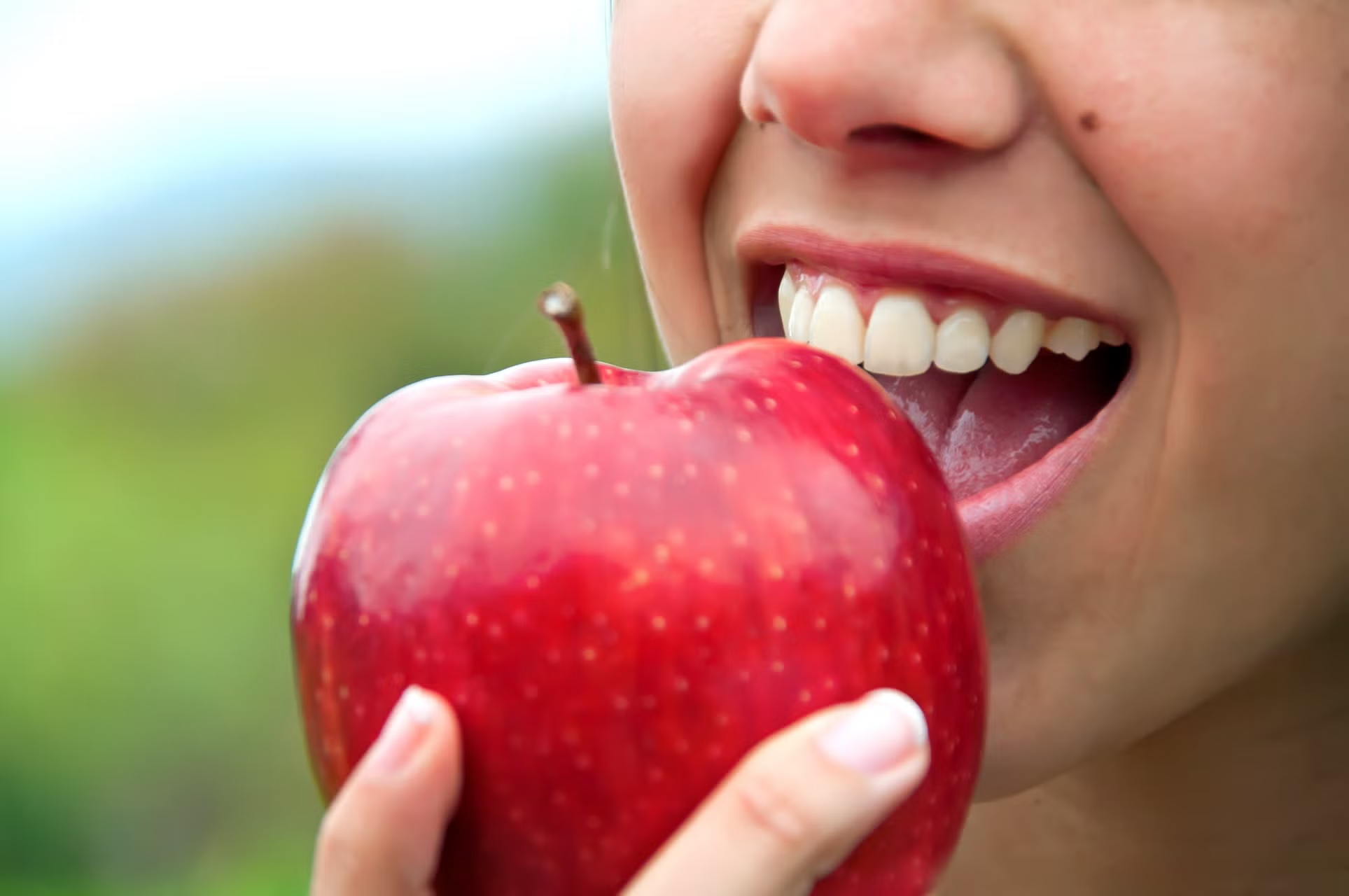
Teen oral health is often discussed in terms of brushing, flossing, and routine dental visits. While those habits are undeniably important, many parents overlook the everyday lifestyle factors that quietly shape a teenager’s dental health over time. From sports participation and nutrition choices to stress levels and sleep habits, several hidden influences can significantly affect a teen’s teeth, gums, and jaw development.
Adolescence is a critical stage for oral development. Permanent teeth are fully emerging, jaw structures are still maturing, and lifestyle independence increases rapidly. The choices teens make daily—often without realizing the consequences—can either support long-term oral health or contribute to problems that become harder and more expensive to address later.
Understanding these hidden factors can help parents take a more proactive approach to protecting their teen’s smile and overall health.
Sports and Athletic Activities Can Increase Oral Health Risks
Sports provide enormous physical and mental benefits for teenagers, but they can also expose the mouth and jaw to injuries that may have lasting effects.
Contact sports such as basketball, football, soccer, wrestling, and hockey create a higher risk of chipped teeth, jaw injuries, fractured roots, and soft tissue damage. Even non-contact sports like skateboarding or cycling can lead to dental trauma from falls or collisions.
One of the most overlooked issues is that many teens participate in sports without consistently wearing properly fitted mouthguards. Custom-fitted mouthguards significantly reduce the risk of serious dental injuries and can also help minimize impact forces to the jaw.
Beyond physical injuries, athletic training itself may affect oral health in other ways:
- Frequent consumption of acidic sports drinks can erode enamel
- Mouth breathing during intense exercise can dry out the mouth
- Dehydration reduces saliva production, which normally protects teeth
- Energy gels and sugary snacks may increase cavity risk
Saliva plays a major role in neutralizing acids and controlling bacteria. When teens train heavily and remain dehydrated, harmful bacteria can thrive more easily.
Parents of active teens should encourage hydration with water whenever possible and reserve sports drinks for prolonged or high-intensity activities rather than casual exercise.
Diet Choices Affect More Than Just Cavities
Teenagers often consume more processed snacks, sugary drinks, and convenience foods than younger children. Unfortunately, these dietary patterns can create the perfect environment for tooth decay and gum inflammation.
Sugary beverages remain one of the biggest contributors to poor oral health among adolescents. Soda, flavored coffee drinks, milk teas, energy drinks, and fruit juices expose teeth to repeated acid and sugar attacks throughout the day.
The frequency of sugar exposure matters just as much as the quantity consumed. Sipping sugary drinks over several hours keeps the mouth in a prolonged acidic state, weakening enamel and increasing cavity risk.
Acidic foods and beverages can also contribute to enamel erosion, even when they are marketed as “healthy.” Common examples include:
- Citrus drinks
- Vinegar-heavy snacks
- Sports drinks
- Carbonated beverages
- Sour candies
At the same time, nutrient deficiencies may negatively affect gum and bone health. Calcium, phosphorus, vitamin D, and magnesium are all essential for maintaining strong teeth and supporting jaw development during adolescence.
Protein intake also matters more than many people realize. Poor nutrition can affect tissue repair, immune response, and overall oral resilience.
Encouraging balanced meals and limiting constant snacking can help reduce harmful bacterial activity in the mouth.
Stress and Sleep Habits Can Damage Teeth
Teenagers today face growing academic pressure, social stress, and digital overstimulation. These factors may contribute to unconscious habits that affect oral health.
One common issue is teeth grinding, also known as bruxism. Many teens grind or clench their teeth while sleeping, often without realizing it. Over time, this can cause:
- Tooth wear
- Jaw pain
- Headaches
- Tooth sensitivity
- Cracked enamel
- Temporomandibular joint (TMJ) discomfort
Poor sleep quality can worsen grinding behavior and increase muscle tension around the jaw.
Additionally, stress may indirectly influence oral hygiene routines. Teens who are overwhelmed or exhausted may become inconsistent with brushing, flossing, or wearing retainers and aligners properly.
Parents should pay attention to symptoms like morning jaw soreness, frequent headaches, or complaints about tooth sensitivity, as these may indicate nighttime grinding.
Oral Habits and Lifestyle Behaviors Matter
Several daily habits that seem harmless can gradually affect dental alignment and oral health.
For example, frequent chewing on ice, pens, fingernails, or bottle caps can chip teeth or strain the jaw. Some teens also develop habits like chewing on one side of the mouth only, which may contribute to uneven wear patterns.
Another growing concern is vaping. While many teens perceive vaping as safer than smoking, research increasingly suggests that vaping may negatively affect gum tissue, saliva production, and overall oral health.
Dry mouth associated with vaping creates an environment where bacteria can multiply more easily, increasing the risk of bad breath, cavities, and gum disease.
Screen time habits may also play a role. Teens who stay up late gaming or scrolling on their phones often snack more frequently at night and may skip nighttime brushing altogether.
Over time, these seemingly minor behaviors compound into larger oral health problems.
Orthodontic Health Is Connected to Daily Habits
Orthodontic concerns are not purely cosmetic. Bite alignment affects chewing function, speech, jaw comfort, and long-term dental stability.
Daily habits can either support or interfere with orthodontic development. Mouth breathing, poor posture, teeth grinding, and inconsistent retainer use may all affect alignment over time.
For teens currently undergoing orthodontic treatment, oral hygiene becomes even more important. Braces and aligners can trap food particles and plaque more easily, increasing the risk of staining, gum inflammation, and decalcification.
Parents researching an orthodontist in Washington DC should look for providers who emphasize comprehensive education around lifestyle habits—not just straightening teeth. Long-term oral health outcomes are often shaped by the daily behaviors that continue after treatment ends.
Prevention Requires a Bigger-Picture Approach
Protecting teen oral health requires more than simply reminding adolescents to brush twice daily. It involves understanding the broader lifestyle patterns influencing their teeth, gums, and jaw health every day.
Parents can support healthier outcomes by:
- Encouraging water instead of sugary beverages
- Providing balanced, nutrient-rich meals
- Promoting consistent sleep routines
- Monitoring stress-related grinding symptoms
- Ensuring proper sports mouthguard use
- Limiting frequent snacking and acidic drinks
- Reinforcing nightly oral hygiene habits
- Scheduling regular dental and orthodontic evaluations
Most oral health problems develop gradually. Small habits repeated daily often have a greater long-term impact than occasional lapses.
Final Thoughts
Teen oral health is influenced by far more than brushing and flossing alone. Sports participation, nutrition, stress, sleep quality, hydration, and daily habits all contribute to the condition of a teenager’s teeth and gums.
Because adolescence is such an important developmental stage, early awareness and prevention can make a substantial difference in long-term oral health outcomes. Parents who understand these hidden factors are better positioned to help teens avoid preventable dental issues while supporting healthier habits that can last into adulthood.
A strong smile is not built through dental care alone—it is shaped by the everyday choices teens make both on and off the field.


