



Securing a patent for your invention is an essential step to protect your intellectual property rights. It gives you the legal authority to exclude others from making, using, or selling your invention without your permission. Whether you are an individual inventor or part of a larger team, understanding the patent application process is key to ensuring your innovation receives proper legal protection.
Applying for a patent can be a complex and time-consuming process, but by following a clear, step-by-step guide, you can navigate the journey with greater confidence and efficiency. This article outlines each phase of the patent application process, helping you protect your ideas and secure your position in the market.
Understanding What a Patent Is
A patent is a legal document issued by a government authority that grants an inventor exclusive rights to their invention for a certain period, usually 20 years from the date of filing. In return, the inventor must publicly disclose the details of the invention.
There are generally three types of patents:
- Utility patents – Cover new and useful inventions or discoveries, including machines, processes, and compositions of matter.
- Design patents – Protect the ornamental design of an object.
- Plant patents – Apply to new and distinct plant varieties reproduced asexually.
Before starting the application process, it’s essential to determine the category your invention falls into and whether it is eligible for patent protection.
Step 1: Determine Patentability
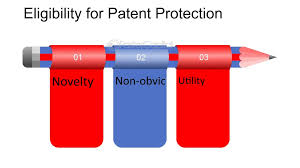
Not all ideas can be patented. To qualify for a patent, an invention must meet three basic criteria:
- Novelty: It must be new and not previously disclosed to the public.
- Non-obviousness: It must not be an obvious improvement or combination of existing technologies to someone skilled in the field.
- Usefulness: It must be functional and serve a specific, practical purpose.
You must also ensure that the invention is not already publicly available. This is where the patent search becomes crucial.
Step 2: Conduct a Patent Search
Conducting a thorough patent search helps determine whether your invention is truly unique. A detailed search should include:
- Previously granted patents (domestic and international)
- Published patent applications
- Scientific journals and technical publications
- Existing products or publicly disclosed prototypes
This step may seem tedious, but it’s necessary to avoid investing time and money in an invention that cannot be patented. Patent databases can be accessed online, and although you can do this on your own, many inventors consult with professionals who specialize in patent research to ensure accuracy and completeness.
Step 3: Decide on the Type of Patent Application
Once you confirm your invention is patentable, the next step is to decide how you want to file. There are generally two types of applications:
- Provisional Patent Application: A temporary, informal application that allows you to secure a filing date while continuing to develop or test your invention. It lasts for 12 months and does not mature into a patent unless followed by a non-provisional application.
- Non-Provisional Patent Application: The formal application that begins the examination process. It must be filed within 12 months of the provisional application if you want to claim the earlier date.
Choosing whether to file a provisional or non-provisional application depends on your readiness, budget, and development stage of the invention.
Step 4: Prepare Your Patent Application
The preparation of a patent application is one of the most critical and detail-oriented steps in the process. A complete patent application generally includes:
- Title of the invention
- Abstract: A summary of the invention and its purpose
- Background: A description of the current state of the art and the problem the invention solves
- Summary of the invention
- Detailed description: Explains the invention with sufficient detail that someone skilled in the field could replicate it
- Drawings or diagrams: Visual representations of the invention
- Claims: The legal definition of the scope of the invention’s protection
Claims are arguably the most important part of the application, as they define the boundaries of your patent rights. Drafting clear, strong claims requires deep understanding of both your invention and patent law. Many inventors choose to work with a registered patent agent or attorney at this stage.
Step 5: File the Application
Once the application is prepared, it must be submitted to the appropriate intellectual property office. This can often be done online. Upon filing, you will receive a confirmation number and filing date, which are important for determining the priority of your invention.
Filing fees will vary depending on the type of application and the size of the entity (individual, small business, or large organization). These fees must be paid at the time of filing or shortly after.
Step 6: Respond to Office Actions
After filing, the application enters the examination phase. A patent examiner will review your application to ensure it meets all legal requirements. In most cases, the examiner will issue an Office Action, which may include rejections or objections based on prior art, clarity, or formality.
You are required to respond to the Office Action within a set time frame, usually between 1 to 6 months. Your response may include:
- Amending the claims
- Arguing against the rejection
- Clarifying technical points
Multiple rounds of Office Actions may occur before a final decision is made. If your responses are accepted, the examiner will issue a Notice of Allowance.
Step 7: Pay the Issue Fee and Receive Your Patent
Once the patent is allowed, you will need to pay an issue fee within the designated period. After payment, the patent will be granted and published. You will receive a formal certificate of patent, and your invention will be protected under patent law from the date of issuance.
The official patent document will list your name as the inventor and assign you the exclusive rights to use, license, or sell the invention.
Step 8: Maintain Your Patent
Receiving a patent is not the end of your responsibilities. Utility patents typically require maintenance fees to keep the patent in force. These fees are due at regular intervals, such as 3.5, 7.5, and 11.5 years after issuance.
Failure to pay these fees can result in the patent lapsing, which means you lose your exclusive rights. Therefore, it’s important to keep track of deadlines and ensure timely payments.
Design patents, on the other hand, do not require maintenance fees and expire automatically after the set term.
Step 9: Enforce Your Patent Rights
Once your patent is granted, it’s up to you to enforce it. This includes monitoring the market for potential infringement and taking legal action if others use your invention without permission.
Infringement lawsuits can be expensive and time-consuming, but they may be necessary to protect your investment. In some cases, sending a cease-and-desist letter or negotiating licensing agreements may be effective alternatives to litigation.
International Patent Protection
If you intend to market your invention outside your home country, consider applying for international patent protection. Patents are territorial, meaning a patent granted in one country offers no protection in another.
You may file directly in each country where you want protection, or you can use international agreements like the Patent Cooperation Treaty (PCT), which simplifies the process of seeking patents in multiple countries.
Keep in mind that each country has its own laws and procedures, so international patenting can be complex and costly. Strategic planning is essential to decide where and when to file.
Common Mistakes to Avoid
- Waiting too long to file: Public disclosure before filing can affect your ability to obtain a patent.
- Incomplete or vague descriptions: Your application must clearly explain how the invention works.
- Neglecting prior art: Failure to do a proper patent search can lead to rejection or legal challenges.
- Poorly written claims: Ambiguous claims can weaken your protection or cause your patent to be unenforceable.
- Ignoring deadlines: Missing filing or maintenance deadlines can void your rights.
Final Thoughts
Applying for a patent is both a legal and strategic process. It requires careful planning, technical accuracy, and timely execution. By following a structured approach, inventors can not only protect their creations but also strengthen their position in a competitive market.
Innovation is valuable, but without proper legal protection, it remains vulnerable to imitation and misuse. A well-prepared and properly filed patent application ensures that your idea is more than just a concept—it becomes an asset. Whether you’re developing a groundbreaking product, a unique design, or a new process, securing a patent safeguards your efforts and rewards your creativity.


