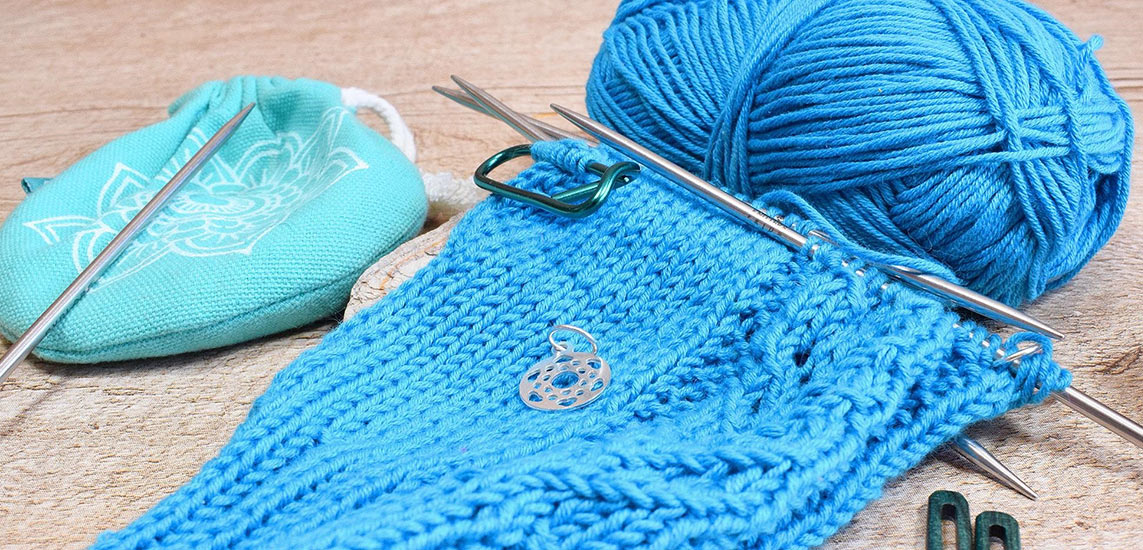
In a world increasingly dominated by technology, the age-old crafts of knitting and crocheting stand as testaments to the enduring appeal of handmade artistry. These crafts, often viewed as simple pastimes, possess a rich history and profound significance within various cultures. From their origins as functional tools for warmth to their evolution into a form of artistic expression and community bonding, knitting, and crocheting play an essential role in the tapestry of craft culture.
Historical Significance
The roots of knitting and crocheting can be traced back centuries, with evidence suggesting that knitting and crocheting originated in the Middle East in the 5th century, but it wasn’t until the 19th century in Europe. Initially, these crafts served practical purposes, providing warmth and protection against the elements. Woolen garments crafted by skilled hands were not merely fashion statements; they were vital to survival in harsh climates.
As society evolved, so too did the perception of these crafts. An important turning point occurred during the Industrial Revolution when mass production started to eclipse artisanal goods. Yet, the appeal of knitting and crocheting persisted. They became symbols of a simpler time, where craftsmanship and individual expression were valued. During this period, women often gathered to knit or crochet, turning these activities into social events that fostered community and camaraderie.
Artistic Expression
Today, knitting and crocheting are celebrated not only for their functional attributes but also for their artistic potential. Artists and crafters use these mediums to explore colors, textures, and patterns, transforming yarn into intricate works of art. The rise of contemporary fiber art has propelled knitting and crocheting into the realm of high art, with exhibitions showcasing the creativity and innovation inherent in these crafts. Knitting vs crocheting not only highlights the unique techniques and artistic expressions associated with each craft but also emphasizes their shared significance in fostering community, preserving cultural heritage, and providing therapeutic benefits.
Moreover, the versatility of knitting and crocheting allows for limitless creative expression. From cozy sweaters to elaborate lace shawls, crafters can experiment with various techniques, materials, and styles. Because of its versatility, a wide spectrum of people can use it, regardless of talent level. The rhythmic motions of knitting or crocheting provide comfort to many novices, and experienced practitioners push the limits of what may be made with yarn and hooks or needles.
Therapeutic Benefits
Beyond their artistic value, knitting and crocheting offer numerous therapeutic benefits. Engaging in these activities has been shown to reduce stress and anxiety, providing a calming effect on the mind. Knitting and crocheting require repetitive actions that can lead to a meditative state, which enables people to concentrate on the present moment while still producing something artistic.
In recent years, the therapeutic potential of these crafts has gained recognition in mental health circles. Programs incorporating knitting and crocheting into therapy sessions have emerged, helping individuals cope with trauma, grief, and loneliness. Making something tangible is a great way to heal yourself since it gives you a sense of success and increases your self-worth.
Community Building
Knitting and crocheting have a remarkable ability to bring people together. Community knitting groups, online forums, and social media platforms have created spaces where crafters can share their work, exchange ideas, and support one another. These communities foster friendships and create networks of individuals united by their passion for yarn and creativity.
Moreover, initiatives such as “knit-a-thons” and charity projects encourage crafters to use their skills for the greater good. Many organizations collect handmade items like blankets, hats, and scarves for those in need. This sense of purpose not only strengthens community bonds but also reinforces the idea that crafting can be a vehicle for social change.
Cultural Heritage
Knitting and crocheting also play a vital role in preserving cultural heritage. A community’s history and identity are reflected in the numerous customs and practices that have been handed down through the generations. For instance, Fair Isle knitting from Scotland and Noro crochet from Japan embodies unique cultural stories, colors, and symbols that connect modern crafters to their ancestral roots.
As global awareness of cultural appreciation grows, the importance of knitting and crocheting as cultural artifacts becomes increasingly evident. These crafts can serve as vehicles for storytelling, allowing individuals to express their heritage and pass on traditions to future generations.
Conclusion
Intricate, living traditions that intertwine the strands of history, artistry, healing, and community, knitting and crocheting are more than just pastimes. As society continues to navigate the complexities of the modern world, the importance of these crafts remains steadfast. They serve as reminders of the beauty of handmade creations, the power of connection, and the joy of self-expression. In a fast-paced digital age, knitting and crocheting provide a much-needed respite, inviting us to slow down, create, and celebrate the legacy of craftsmanship that transcends time and culture. By embracing these crafts, we not only honor the past but also contribute to the rich and ever-evolving tapestry of craft culture.