



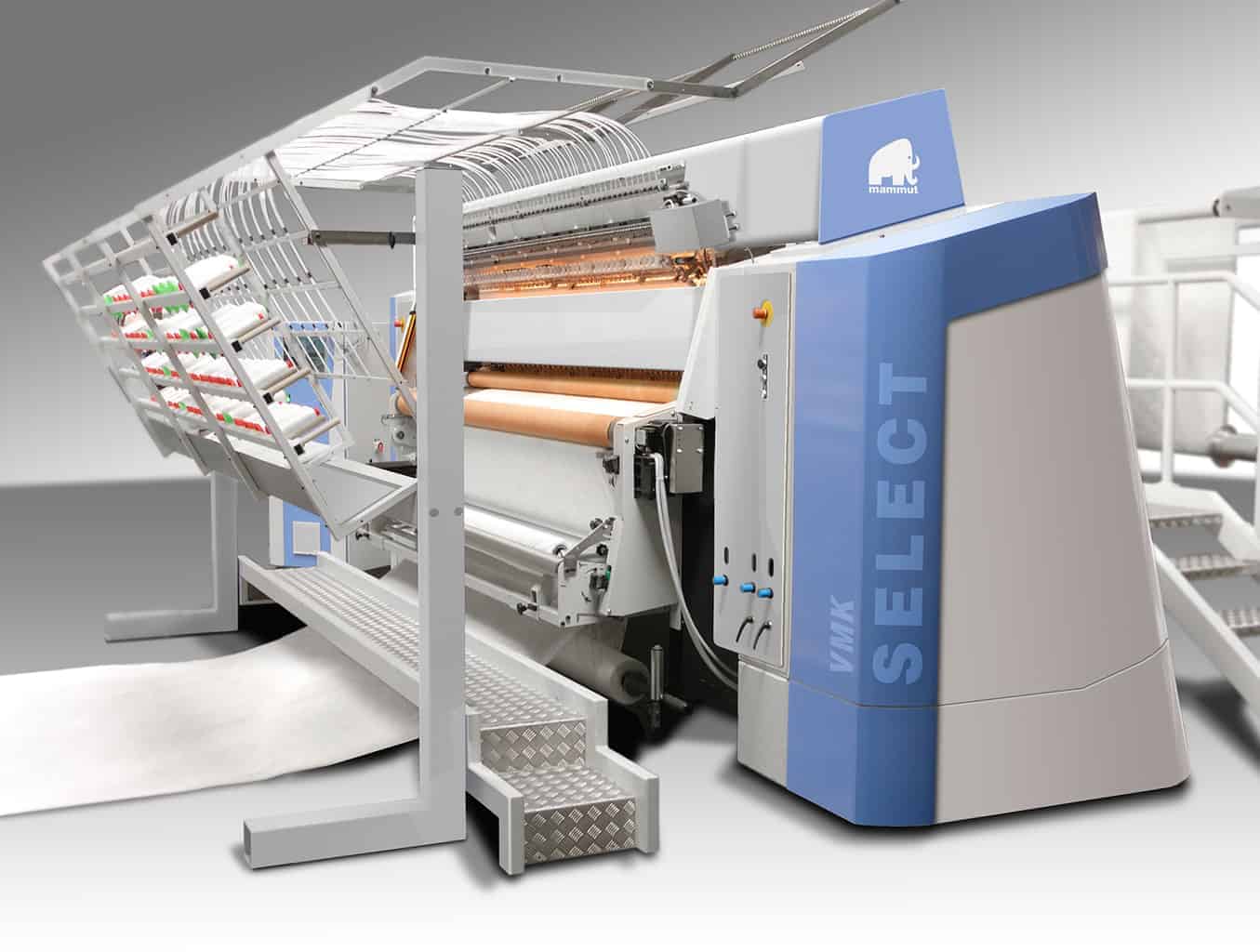
In an industry where comfort meets technology, mattress manufacturing stands out as a field that marries traditional craftsmanship with cutting-edge innovation. As consumers become increasingly discerning about their sleep environments, mattress manufacturers are continually evolving to meet the demands of a good night’s rest.
The Foundations: Materials and Innovation
The journey of a mattress begins with the selection of materials. High-quality foams, latex, innersprings, and hybrid constructions form the backbone of most modern mattresses. Each material offers unique benefits: memory foam provides excellent contouring and pressure relief, latex boasts durability and natural resilience, and innersprings deliver traditional support and bounciness. Hybrid mattresses aim to combine the best of all worlds, integrating multiple types of materials to enhance comfort and support.
Sourcing these materials responsibly is a priority for many manufacturers. Sustainable practices are becoming the norm, with an emphasis on eco-friendly materials like organic cotton, natural latex, and recycled components. This shift not only appeals to environmentally conscious consumers but also sets a standard for corporate responsibility in the industry.
The Craft: Engineering Comfort
Once the materials are sourced, the engineering phase begins. This stage involves a blend of traditional handcrafting techniques and advanced machinery. Skilled artisans and technicians work together to assemble the layers of the mattress, ensuring that each component is perfectly aligned and secured.
Modern mattress manufacturing leverages technology to enhance precision and efficiency. Computer-aided design (CAD) and automated cutting machines ensure that each piece fits perfectly, minimizing waste and maximizing durability. Quality control is rigorous, with multiple checkpoints throughout the production process to ensure each mattress meets stringent standards for comfort, support, and durability.
The Innovation: Smart Mattresses and Customization
The latest trend in mattress manufacturing is the development of smart mattresses. These high-tech sleep solutions incorporate sensors and connectivity to monitor sleep patterns, adjust firmness levels, and even regulate temperature. Integrated with smartphone apps, smart mattresses provide users with data-driven insights into their sleep habits and suggestions for improvement.
Customization is another area where innovation is thriving. Recognizing that one size does not fit all, manufacturers are offering bespoke mattresses tailored to individual preferences. Customers can choose from a range of firmness levels, materials, and features to create a mattress that meets their specific needs. This personalized approach not only enhances comfort but also addresses various health concerns, such as back pain or sleep apnea.
The Market: Trends and Consumer Preferences
The mattress market is highly competitive, with manufacturers constantly seeking to differentiate their products. Online sales have revolutionized the industry, making it easier for consumers to purchase mattresses without ever stepping into a store. This shift has led to the rise of the “bed-in-a-box” model, where mattresses are compressed, rolled, and shipped directly to customers’ doors.
Consumer preferences are also evolving. There is a growing demand for mattresses that cater to specific sleep issues, such as those designed to reduce motion transfer for couples or those with enhanced cooling features for hot sleepers. Additionally, the rise of wellness trends has led to an increased interest in mattresses that promote better sleep hygiene and overall health.
The Future: Sustainability and Beyond
Looking ahead, the future of mattress manufacturing is poised to be shaped by sustainability and innovation. Manufacturers are investing in research and development to create mattresses that are not only comfortable and supportive but also environmentally friendly. Biodegradable materials, eco-friendly manufacturing processes, and recycling programs are becoming key components of the industry’s strategy.
Moreover, advancements in sleep science are likely to influence the next generation of mattresses. As our understanding of sleep and its impact on health deepens, manufacturers will continue to innovate, developing products that enhance the quality of sleep in ways we can only imagine today.
Conclusion
Mattress manufacturing is a dynamic industry that blends artistry with science. From the careful selection of materials to the precision engineering of each layer, and from the integration of smart technology to the pursuit of sustainability, every aspect of the process is designed to deliver the ultimate sleep experience. As consumer expectations continue to rise, mattress manufacturers will remain at the forefront of innovation, crafting products that ensure everyone can enjoy the restorative power of a good night’s sleep.


