



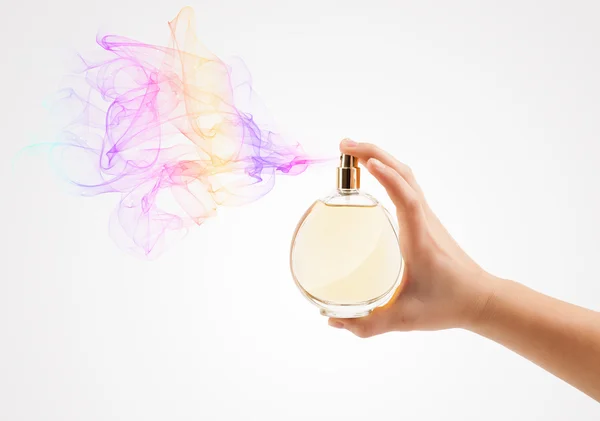
The use of scented materials dates back thousands of years. Ancient civilizations like Egypt, Mesopotamia, and the Indus Valley included aromatic oils and balms in religious rituals and daily life. One of the earliest known perfumers, Tapputi, lived in Babylon around 1200 BCE and used primitive distillation techniques to extract essences from plants. Over centuries, the craft of creating scents traveled across the globe, with each culture refining and expanding the art.
In medieval Islamic societies, chemistry and medicine were deeply connected to fragrance production. Innovations like steam distillation, introduced by Persian scholars, laid the groundwork for modern perfumery https://parfum.ae/. By the Renaissance, perfumed gloves were fashionable in Europe, and the city of Grasse in France became a center for flower cultivation and aromatic production—a legacy it holds to this day.
Understanding fragrance families: a guide to scent types
Scent compositions are generally categorized by “families,” which describe their dominant olfactory traits.
- Floral scents, rich in notes like rose, jasmine, and peony, evoke romantic or elegant moods.
- Woody blends use ingredients like cedarwood and sandalwood to convey warmth or earthiness.
- Oriental profiles incorporate spices, amber, and resins for depth and sensuality.
- Fresh options often feature citrus, aquatic, or green notes, ideal for a clean, energetic impression.
Recognizing these groups helps in narrowing down what appeals to your personality and how you want to be perceived.
From raw elements to bottled elegance
Creating a sophisticated aroma involves both science and artistry. It begins with sourcing raw materials—flowers, spices, resins, or synthetic molecules—followed by extraction through methods such as cold pressing, enfleurage, or solvent extraction. The essential oils are then blended by a trained perfumer, also known as a “nose.”
The composition typically includes three stages: top notes for the initial impression, heart notes for the core identity, and base notes that linger. Once blended, the solution is aged and diluted with alcohol to stabilize and preserve the aroma before being bottled.
Skin chemistry and scent: an invisible relationship
How a fragrance interacts with the skin varies from person to person. Body temperature, pH level, and even diet can influence how a scent develops. For this reason, trying a scent on your wrist and letting it evolve over several hours is essential before committing to a purchase.
Furthermore, ingredients like musk or vanilla tend to have long-lasting effects, whereas citrus and herbal notes may fade more quickly. This interplay makes the experience highly individual.
Exploring gender in olfactory choices
Historically, certain notes have been marketed as masculine or feminine, but the boundaries are increasingly fluid. Woody, spicy compositions were once associated with men’s grooming, while lighter florals were reserved for women. Now, many brands offer unisex options, reflecting modern tastes that prioritize mood and self-expression over gender norms.
It’s no longer unusual to find traditionally masculine scents worn by women and vice versa. The main consideration today is how the scent aligns with one’s personal aesthetic.
Selecting the right fragrance for the moment
Different occasions call for different scent profiles. For daytime use, fresh or green notes tend to work best—subtle and non-intrusive. Evening events may call for something richer, perhaps with oriental or gourmand notes.
Seasons also play a role. Warmer months often pair well with citrus and aquatic blends, while winter is better suited to complex, heavier compositions. Personality is the final layer—adventurous individuals might lean toward bold, spicy scents, while introverts might favor calming, powdery tones.
Giving scent as a meaningful gift
Fragrances make thoughtful and intimate gifts, provided some consideration is given. When selecting a bottle for someone else, it helps to know what they already enjoy wearing or the types of notes they gravitate toward.
Presentation also matters. Many premium sellers https://parfum.ae/ offer luxurious packaging that enhances the gifting experience. Opt for timeless blends if unsure, or explore niche creations for a unique touch.
Care tips to extend the life of your fragrance
To maintain its quality, a fragrance should be stored in a cool, dark place—ideally in its original box. Exposure to heat, light, and air can degrade the delicate balance of oils and alcohol.
Avoid storing bottles in bathrooms, where temperature and humidity fluctuate. When applying, do so on moisturized skin to help the scent bind and last longer. Minimal air exposure, such as keeping the cap tightly sealed, also helps preserve the original composition.
Selecting and wearing a fine aroma is a deeply personal and culturally rich experience.


