

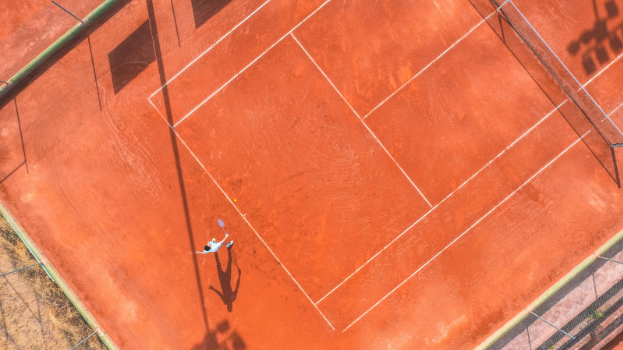
An everchanging sports broadcasting industry has incorporated new technologies through the years. Each fan, whether an elder or a youth, has experienced the sport in a different way thanks to technology: starting from black and white televisions to ultra-HD and slow motion replays. However, nothing comes close to the impact drones have on sports. Drones tell stories from high above; hovering on top of stadiums, tracking mid-sprint athletes, and capturing angles that were once thought to be impossible.
Now, no other equipment can give athletes the same dynamic visuals while they engage in winter sports, soccer or even Formula 1 like drones do. The difference? Drones offer an immersive experience while fixed cameras and helicopters are unable to. Drones have integrated a whole new level of depth – more emotional and speed driven.
Elevating the Fan Experience from the Sky
Drones have started to either take over or replace camera setups in major sporting events in recent years. They offer heart-stopping tracking shots from a wide range of angles, like following behind a snowboarder tackling the half pipe or tracking the quarterback during a scramble.
Drones are changing the way production teams tell stories, and even how sporting events are captured for the viewers’ enjoyment. Now, for the first time, fans can see athletes’ routes, game formations, and even celebration moments, with a new level of close-up interactivity. It goes beyond just watching sporting events; it is a whole new feeling experience.
The level of interactivity described above is not limited to just watching sporting events. Fans now even take part in advanced life analysis via streams, replays, and commentaries. Seeing the event replayed from multiple angles increases real-time viewers’ expectation and understanding of the match; many have become veritable experts. Some fans analyze telecasts that have been enhanced by drones and use them for predictions on online casino real money websites that offer virtual sports or simulators, sports betting, and themed gaming sites offer wagers using the modern visuals and infographics, which changes the participants’ predictive behavior greatly.
From Helicopters to Hovercams: A Cost-Efficient Evolution
Prior to drones, helicopters were the broadcast industry’s go-to for capturing aerial shots. This technique was not only expensive but also lacked flexibility both in movement and closeness to subjects. There are safety restrictions concerning how low helicopters can hover during matches, and they cannot fly dangerously close to athletes. Conversely, drones are small, agile, and inexpensive, which makes them a better alternative.
During the NFL and the UEFA Champions League, drones have been employed to capture audience walkouts, crowd panoramic views, and for bird’s eye tactical drone movement capture. Drones also capture footage during tennis tournaments, including slow pans over the stadium, behind the scenes, shots of athletes warming up, and fans entering the arena.
Drones make capturing close tracking shots during motorsport tight turns and overtakes far easier, giving fans a better sense of the pace and danger standard coverage can’t provide. For track and field and cycling events, drones can capture long, seamless shots of stretching scenes from multiple angles, a technique that was impossible prior to drone technology.
Safety, Regulations, and Tech Challenges
The use of drones in live events for broadcasting comes with challenges, including safety and regulation differences that vary depending on the location. Regulations put in place to protect athletes and viewers are especially important. Drone usage requires specialized permits from aviation authorities, which can be difficult to obtain and organize due to the close cooperation needed from the broadcast crews.
Furthermore, the weather, particularly the wind, may affect the steadiness of the drone and the quality of the shot. This is the reason why elite sports broadcasts use sophisticated drones equipped with high-end GPS, gyroscopic stabilization, and automatic landing systems for precise drone docking.
Broadcasters face additional challenges: video feeds from the drone must be streamed live, which means there should be reliable wireless coverage with almost no lag. This is precisely where 5G technology is significant, enabling drones to provide incredibly high-speed, high-definition video transmissions directly to production facilities or even smartphones of the spectators.
Drones and the Social Media Era
Sports on social media are shared differently now as traditional broadcasts are no longer the same thanks to drones. Quick clips of famous moments are often aired and shared from drone footage, giving the fan a fresh perspective which, in turn, goes viral.
Platforms such as MelBet incorporate amazing visuals together with real-time updates, and stunning behind-the-scenes footage. Fans can experience an emotional connection with their favorite teams or players even while being thousands of miles away.
Not only are the teams engaging with fans through aerial footage of the games, but they are also doing it for training purposes. Coaches analyze the formations, spacing, and strategy, considering how an athlete views the game from above, allowing the players to define their positions in their respective frameworks.
Looking Ahead: Drones as the New Normal in Sports Coverage
Drones in sports broadcasting have shifted from the realm of fantasy into reality at full speed. Their function in sports broadcasting will only increase with the promise of quieter, faster drones integrated with AI. Just imaging completely automated drones changing the shot angles based on the pace of the game or shifting their focus to specific players using real-time data.
It isn’t long until drone-assisted broadcasts go from a novelty to a standard requirement. Plus, with fans clamoring for all-encompassing experiences, leagues and broadcasters have plenty of justification to spend more on aerial innovations.
In the end, drones do much more than capture footage from a new angle. They are enhancing the experience of the sport for fans like never before.
