



In the world of electric bikes, the battery is the beating heart of the machine, the power source that fuels every journey, whether it’s a short commute through the city or a long adventure through rugged terrains. As e-bikes continue to evolve, offering more sophisticated features and designs, the importance of selecting the right battery cannot be overstated. A well-chosen battery not only ensures the smooth operation of your bike but also extends its range, enhances its performance, and ultimately determines your riding experience. As the market for e-bikes grows, with options ranging from the best fat tire electric bikes to discounted electric bikes, understanding the intricacies of e-bike batteries becomes crucial for both seasoned riders and newcomers.
The evolution of e-bikes has been nothing short of remarkable, transforming from a niche product into a mainstream mode of transportation and recreation. This evolution has brought about a diverse array of e-bike models, each tailored to different riding styles and environments. However, the one constant across all these variations is the battery. Whether you’re navigating city streets, tackling off-road trails, or seeking an eco-friendly alternative to traditional commuting, the battery’s capacity, type, and compatibility with your e-bike are critical factors to consider. In this guide, we will delve into the essential aspects of e-bike batteries, offering insights into how to choose the right one for your needs and exploring the connection between battery selection and the performance of fat tire electric bikes and discounted e-bike options.
Understanding E-Bike Batteries: The Core of Your Ride
E-bike batteries are the powerhouse behind the electric motor, providing the necessary energy to propel the bike forward. The two primary factors that determine a battery’s performance are its capacity and voltage. Capacity, measured in ampere-hours (Ah), indicates how much energy the battery can store, while voltage (V) dictates the power output. A higher capacity battery will generally provide a longer range, allowing you to ride further on a single charge. Meanwhile, a higher voltage battery delivers more power, which is particularly beneficial for climbing hills or accelerating quickly.
Lithium-ion batteries are the most common type used in e-bikes today due to their high energy density, long life cycle, and relatively lightweight. However, within the category of lithium-ion batteries, there are several variations, including Lithium Nickel Manganese Cobalt Oxide (NMC) and Lithium Iron Phosphate (LiFePO4). Each type has its advantages and trade-offs. For instance, NMC batteries offer a good balance of capacity, power, and weight, making them a popular choice for many e-bike manufacturers. On the other hand, LiFePO4 batteries are known for their exceptional lifespan and safety, although they may be heavier and less energy-dense.
When choosing a battery, it’s also important to consider the compatibility with your e-bike’s motor. Different motors require different voltage levels, and using an incompatible battery can lead to suboptimal performance or even damage the motor. Additionally, the placement of the battery on the bike can affect the ride quality and balance. Integrated batteries that are built into the frame provide a sleek appearance and better weight distribution, while external batteries may offer easier access for charging and replacement.
Best Fat Tire Electric Bike and Battery Selection
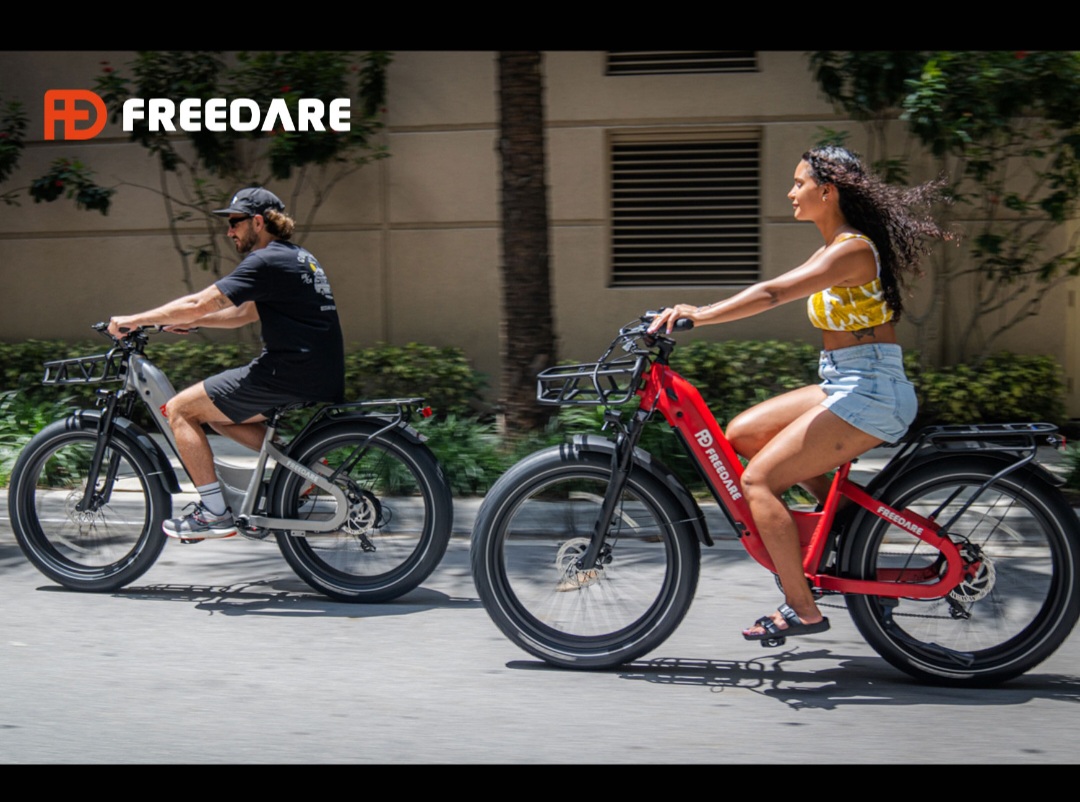
The choice of battery becomes even more critical when considering specific e-bike models, such as the best fat tire electric bikes. These bikes are designed for versatility, capable of handling various terrains from sandy beaches to snowy paths. The larger, wider tires provide better stability and traction, but they also increase the bike’s overall weight. As a result, fat tire e-bikes require batteries with higher capacity and voltage to maintain optimal performance.
For instance, if you’re planning to use a fat tire e-bike for off-road adventures or long-distance touring, you would benefit from a battery with a higher capacity, such as 15Ah or more, to ensure you have enough range to reach your destination without running out of power. Additionally, a battery with a higher voltage, such as 48V or 52V, will provide the necessary torque to navigate challenging terrains and steep inclines. This combination of high capacity and voltage is essential for riders who demand both endurance and power from their e-bikes.
Moreover, the quality and type of battery used in fat tire e-bikes can influence their performance in extreme weather conditions. Lithium-ion batteries, especially those designed for high-drain applications, perform better in cold temperatures compared to older battery technologies. This makes them ideal for fat tire e-bikes, which are often used in diverse and sometimes harsh environments. Therefore, when selecting a fat tire electric bike, it’s crucial to pay close attention to the battery specifications to ensure it meets your specific riding needs.
Discounted Electric Bikes and Battery Considerations
The growing popularity of e-bikes has led to a wider range of price points, including discounted electric bikes that offer great value for budget-conscious consumers. However, when opting for a more affordable e-bike, it’s essential to carefully evaluate the battery to ensure that you’re not compromising on quality or performance.
Discounted electric bikes often come with batteries that have lower capacity and voltage, which may be sufficient for casual riders or those using the bike for short commutes. However, if you plan to use the bike for longer distances or more demanding rides, you may need to consider upgrading the battery to one with higher specifications. This is particularly true if you’re purchasing a discounted fat tire electric bike, where the additional weight and rolling resistance require a more powerful battery to deliver a satisfying riding experience.
Another consideration when choosing a battery for a discounted electric bike is the availability of replacement options. Batteries degrade over time, and eventually, you’ll need to replace them. Some budget e-bikes may use proprietary batteries that are difficult to find or expensive to replace. Therefore, it’s wise to check the availability of compatible batteries before making a purchase, ensuring that you can maintain your e-bike’s performance over the long term without incurring excessive costs.
Lastly, even with discounted electric bikes, it’s possible to find models that offer excellent battery performance. Some manufacturers focus on delivering high-quality batteries while keeping other components more basic to reduce costs. This approach allows riders to enjoy the benefits of a powerful and reliable battery without breaking the bank. By carefully researching and comparing different models, you can find a discounted electric bike that meets your needs without sacrificing the essential features that make e-biking such a rewarding experience.
Conclusion: Powering Your Ride with the Right Battery
Choosing the right e-bike battery is a critical decision that can significantly impact your riding experience. Whether you’re investing in the best fat tire electric bike for off-road adventures or seeking a discounted electric bike for everyday commutes, the battery’s capacity, voltage, and compatibility with your e-bike motor are key factors to consider. By understanding the different types of batteries available and their specific advantages, you can make an informed choice that aligns with your riding style and needs. Ultimately, a well-selected battery will not only enhance the performance of your e-bike but also ensure that every ride is smooth, powerful, and enjoyable.
Understanding the nuances of battery capacity, voltage, and type, along with ensuring compatibility with your e-bike motor, empowers you to make an informed decision that aligns with your riding goals. For those venturing into diverse terrains with a fat tire electric bike, a high-capacity, high-voltage battery is essential to navigate challenging conditions and extend your journey without worry. On the other hand, if you’re exploring more affordable e-bike options, careful consideration of the battery’s quality and future replacement availability will safeguard against potential compromises in performance.
Ultimately, the right battery will do more than just power your e-bike; it will enhance every aspect of your ride, from the efficiency of your daily commute to the exhilaration of off-road adventures. By prioritizing the right battery, you ensure that your e-bike remains a reliable, powerful, and enjoyable mode of transportation for years to come.


