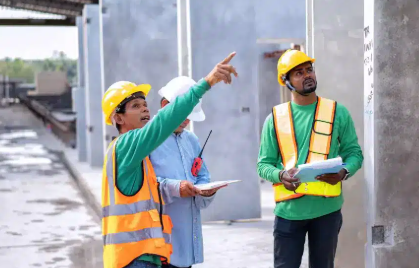
Starting work in construction involves more than learning how to use tools or understanding a particular trade. Workers also need to know how to recognise hazards, follow workplace safety procedures, respond to emergencies, and communicate effectively when risks arise. In Brisbane, completing general construction induction training is an important step for people preparing to enter construction environments.
For new workers, apprentices, contractors, and others who need to access construction sites, completing White Card Brisbane training provides foundational knowledge about workplace health and safety. The goal of the training is to familiarise participants with the duties and procedures that promote safer building sites.
Understanding The Purpose Of A White Card
A White Card is evidence that a person has completed general construction induction training. This training focuses on the basic safety knowledge needed before carrying out construction work.
Construction sites can contain changing conditions and multiple hazards. Moving vehicles, electrical equipment, work at heights, power tools, hazardous materials, noise, and manual handling tasks are just some of the risks workers may encounter. General induction training helps participants understand why these hazards must be identified and managed.
Rather than preparing someone for a specific trade, White Card training establishes a common safety foundation. Workers can then build on this knowledge through workplace inductions, site-specific training, supervision, and additional qualifications.
What White Card Training Covers?
A white card training Brisbane course typically introduces participants to essential construction safety principles. This includes understanding workplace health and safety requirements, identifying common construction hazards, learning about risk control measures, and recognising appropriate ways to report safety concerns.
Personal protective equipment is another important topic. Depending on the workplace and task, construction workers may need protective equipment such as hard hats, safety footwear, hearing protection, eye protection, or high-visibility clothing. Training helps participants understand that PPE forms part of a wider approach to managing workplace risks.
Emergency procedures are also covered. Workers need to know how to respond appropriately when an incident occurs, including following site instructions and recognising emergency signals.
Moving From The Classroom To A Construction Site
Completing training is only the beginning of developing good workplace safety habits. Every construction site is different, which means workers need to apply their general safety knowledge to the specific conditions they encounter.
Before beginning work, workers may receive a site induction explaining local hazards, access requirements, emergency arrangements, restricted areas, reporting processes, and other relevant procedures. They should pay attention to these instructions even when they have previously worked on similar sites.
Conditions can also change during a project. Equipment may be relocated, new contractors may arrive, access routes may change, or different stages of construction may introduce new hazards. Staying alert and following current site procedures is therefore essential.
Building Confidence Before Your First Shift
People entering construction for the first time may find the worksite environment unfamiliar. Completing training before arriving on site can make workplace terminology and safety procedures easier to understand.
For people looking for White Card Cannon Hill training, choosing an appropriate course can provide an accessible pathway toward meeting general construction induction requirements. Participants should check course details carefully, including identification requirements, delivery arrangements, assessment requirements, and any materials they may need to bring.
Preparation can make the training process smoother. Reading enrollment information in advance and arriving ready to participate allows learners to concentrate on understanding the safety principles being taught.
Recognising Hazards Before They Become Problems
One of the most valuable habits a construction worker can develop is looking for hazards before starting a task. A seemingly routine job can become dangerous when conditions change.
For example, materials left in access areas can create trip hazards. Damaged electrical equipment may create additional risks. Work being performed overhead can affect people operating below. Recognising these situations early allows workers to follow established reporting and control procedures.
Safety is not simply about reacting after an incident. It involves observing the environment, following instructions, communicating concerns, and understanding when work should not proceed without appropriate controls.
Safety Is A Shared Workplace Responsibility
Construction projects often bring together tradespeople, contractors, supervisors, apprentices, suppliers, and other workers. Their activities can affect one another, making clear communication an important part of workplace safety.
Workers should understand how to report hazards and incidents through the appropriate workplace channels. They should also follow instructions provided by supervisors and comply with site safety requirements.
A White Card does not replace ongoing learning. As workers gain experience, they may complete additional training relevant to their occupation, equipment, or responsibilities. Continuing to develop safety knowledge can help workers adapt as their roles change.
Preparing For A Safer Start In Construction
Entering Brisbane’s construction industry can open the door to many different occupations and career paths. Whatever direction a worker chooses, understanding basic construction safety should come before stepping onto an active worksite.
White Card training provides an introduction to the hazards, responsibilities, communication practices, and safety procedures workers are likely to encounter. By taking the lessons from training into everyday work, new construction workers can approach their first site with greater awareness and a clearer understanding of how to contribute to a safer workplace.