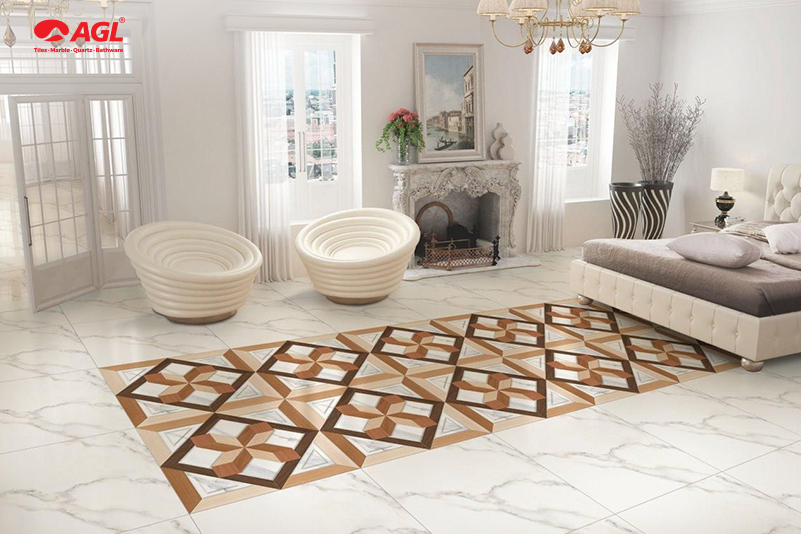
Choosing the suitable tiles for your home can be a game-changer when creating the perfect atmosphere. Among the various tile options, wall tiles are a versatile and stylish way to elevate any interior. Whether you’re redesigning a bathroom, modernising a kitchen, or adding a touch of personality to a living room, the suitable wall tiles can completely transform the look and feel of a space.
In this comprehensive guide, we’ll explain how to select the perfect wall tiles for each room in your home, from the bathroom to the living room. We’ll also touch on how floor tiles in Melbourne can complement your design choices, creating a cohesive, beautiful space throughout your home.
Why Wall Tiles Are a Great Choice for Interior Design
Wall tiles are not only functional but also offer endless design possibilities. They are available in various materials, colours, textures, and sizes, allowing you to tailor your choices to the specific aesthetic of each room. Here’s why wall tiles are an ideal option for transforming your home’s interiors:
- Durability
Wall tiles are designed to withstand the wear and tear of everyday life. They are resistant to moisture, stains, and scratches, making them durable for high-use areas like kitchens and bathrooms. Unlike paint or wallpaper, which may require frequent touch-ups or replacement, tiles retain their original look for many years, offering a long-lasting solution.
- Low Maintenance
One of the most significant advantages of using wall tiles is that they are easy to clean and maintain. A quick wipe with a damp cloth or mild detergent is usually all that’s needed to keep them looking fresh. This makes them particularly suitable for kitchens and bathrooms, where cleanliness is a priority.
- Aesthetic Flexibility
Whether you prefer a minimalist, contemporary design or a more traditional, ornate style, wall tiles come in various patterns, textures, and finishes to suit your taste. The aesthetic possibilities are nearly limitless, from sleek, glossy tiles to rustic, textured ones. You can create a focal point with a feature wall, add texture with 3D tiles, or keep it simple with neutral tones.
How to Select Wall Tiles for Different Rooms
Each room in your home serves a different purpose and has unique functional and aesthetic needs. Choosing suitable wall tiles involves understanding these needs and selecting tiles that look great and perform well in each specific environment.
- Kitchen Wall Tiles
The kitchen is one of the most active areas of the home, and choosing suitable tiles can enhance its functionality and design. Kitchen wall tiles must be durable, easy to clean, and resistant to stains, particularly in areas like the backsplash, where splashes and spills occur daily.
When selecting kitchen wall tiles, consider:
- Material: Ceramic and porcelain tiles are excellent for kitchens due to their durability and staining resistance. They’re easy to wipe clean and come in various styles and colours.
- Design: Subway tiles are a classic choice for kitchen backsplashes, offering a clean, timeless look. For a more contemporary style, geometric patterns or colourful mosaic tiles can add visual interest.
- Finish: A glossy finish on kitchen wall tiles helps reflect light and can make a smaller kitchen feel more open and spacious.
By incorporating stylish wall tiles in your kitchen, you can create a focal point that ties together the room’s design elements, from the countertops to the cabinetry.
- Bathroom Wall Tiles
Bathrooms require tiles that can withstand moisture, humidity, and frequent cleaning. Wall tiles in bathrooms are typically used to protect surfaces from water damage, particularly in shower areas, around the bathtub, or near sinks. However, they can also create a luxurious spa-like atmosphere or a bright, functional space.
When choosing bathroom wall tiles, consider:
- Moisture Resistance: Porcelain and ceramic tiles are ideal for bathrooms because they are water-resistant. Glass tiles are also a good choice, offering a sleek, modern look while repelling moisture.
- Colour and Style: Lighter-coloured tiles can make a small bathroom feel more extensive and open, while darker or bold-coloured tiles can add drama and luxury. Neutral tones with subtle patterns can create a relaxing, serene environment.
- Texture: Mix smooth tiles with textured or patterned options to add depth and dimension to your bathroom. For example, a 3D tile wall behind the vanity or in the shower can create a stunning focal point without overwhelming the space.
Bathrooms are often smaller spaces, so choosing the right size and colour for your wall tiles can make all the difference in achieving a balanced, harmonious look.
- Living Room Wall Tiles
Living rooms are spaces for relaxation and entertainment, and wall tiles can create a statement feature that reflects your personal style. While many people associate wall tiles with kitchens and bathrooms, they can also work beautifully and creatively in living areas.
When choosing wall tiles for your living room, consider:
- Feature Walls: A tiled feature wall can be a focal point in the room. For example, using textured stone tiles behind the TV or fireplace can create a sense of warmth and sophistication. If you prefer a minimalist style, sleek, large-format tiles in neutral tones can add elegance without detracting from the rest of the décor.
- Patterns and Textures: Geometric patterns or hand-painted tiles can add a touch of artistry to your living room. Whether you’re after a bold look or something more understated, tiles with intricate patterns or unique textures offer a dynamic design element.
- Mixing Materials: For an eclectic look, consider mixing tiles with other materials like wood or metal. Pairing textured tiles with natural materials can create a rich, layered design that feels both modern and inviting.
- Bedroom Wall Tiles
While using wall tiles in bedrooms is less common, they can still be a fantastic way to add texture and dimension to a space. When used thoughtfully, wall tiles can create a serene, calming atmosphere perfect for relaxation.
For bedrooms, consider:
- Accent Walls: Use textured or patterned wall tiles to create an accent wall behind the bed. This can serve as the room’s centrepiece and add depth to the overall design.
- Subtle Patterns: Soft, pastel-coloured tiles or those with delicate patterns can create a soothing environment. Opt for tiles with a matte finish to maintain a sense of warmth and comfort.
- Material Choices: While ceramic and porcelain are popular options, stone-look or wood-look tiles can also bring a natural, organic feel to the bedroom.
Matching Wall Tiles with Floor Tiles for a Cohesive Look
While wall tiles are crucial in defining a room’s style, pairing them with the right floor tiles in Melbourne can create a seamless, cohesive look. It’s essential to consider how these two elements will work together to create harmony in your design.
- Complementary Colours and Styles
When matching wall and floor tiles, it’s important to choose complementary colours and styles that enhance each other rather than compete for attention. If your wall tiles have a bold pattern or colour, consider using more subtle, neutral-coloured floor tiles in Melbourne to balance the overall design. Conversely, if your floor tiles are a statement piece, keep your wall tiles simple and understated.
- Consistent Materials
Using the same material for wall and floor tiles can create a cohesive, continuous look. For example, using porcelain tiles on both surfaces can help unify the space and make it feel more expansive. However, you can also mix materials—such as stone-look floor tiles paired with ceramic wall tiles—for a more textured, layered design.
- Size and Proportion
The size of your tiles can impact the overall feel of the room. Large-format tiles can make a space feel more open and less cluttered, while smaller tiles can add detail and intricacy. When pairing wall and floor tiles, be mindful of proportion—using too many small tiles on both surfaces can overwhelm the space, while oversized tiles in a small room can feel too dominant.
Conclusion
Wall tiles offer an incredible opportunity to transform your interiors and elevate the design of any room in your home. Whether creating a statement wall in the living room, adding practicality and beauty to the kitchen, or designing a serene bathroom, suitable wall tiles can make all the difference.
By carefully considering your tiles’ material, colour, texture, and layout, you can create a cohesive and stylish space. Pairing your wall tiles with complementary floor tiles in Melbourne ensures a harmonious look throughout your home, enhancing functionality and aesthetic appeal. With the right approach, tiles can be more than just a practical solution—they can be a design feature that brings your interiors to life.