



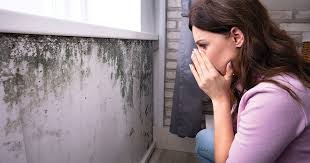
Mold is a prevalent issue that may impact properties of many types, including homes and businesses. Not only can it cause structural damage, but it also poses significant health risks to occupants. Understanding the different types of mold and their implications is crucial for effective prevention and removal. This post delves into some of the most common types of mold, their characteristics, health risks, and how they can be safely removed. If you’re dealing with mold issues, particularly in urban environments like New York City, professional services such as NYC mold removal from Ace Mold can help you address the problem efficiently and safely.
Stachybotrys (Black Mold)
1. Appearance
Stachybotrys, commonly known as black mold, is identifiable by its dark greenish-black coloration. It has a slimy texture when moist and can look powdery when dried. This mold often grows in areas with excessive moisture, such as water-damaged walls, ceilings, and hidden spaces like behind wallpaper or under carpets.
2. Health Risks
Black mold is hazardous due to its production of mycotoxins, which can cause severe respiratory problems, chronic fatigue, and neurological issues. Asthma symptoms, skin discomfort, and throat irritation can all increase with prolonged contact. Vulnerable individuals, such as those with weakened immune systems, are particularly at risk.
3. Removal Methods
Effective black mold removal requires professional handling to avoid spreading spores. Specialized mold removal services use HEPA filters, protective gear, and specific cleaning agents to eliminate mold safely. Addressing and correcting the moisture source is essential to prevent mold from returning and to maintain a healthy environment.
Aspergillus
1. Common Locations
Aspergillus is commonly found in damp or decaying organic matter, such as leaves, compost piles, and stored grain. Indoors, it thrives in air conditioning systems, humidifiers, and places with high humidity levels like bathrooms and basements.
2. Health Effects
While some species of Aspergillus are relatively harmless, others can cause allergic reactions and respiratory infections, particularly in individuals with weakened immune systems. Aspergillosis, a condition caused by inhaling Aspergillus spores, can range from mild respiratory illness to more severe lung infections.
3. Prevention and Removal
To control Aspergillus, it’s essential to maintain low humidity levels in your home, fix leaks promptly, and ensure good ventilation. Mold remediation experts use air purifiers, fungicidal sprays, and thorough cleaning to remove Aspergillus from affected areas.
Alternaria
1. Indoor and Outdoor Impact
Alternaria is a widespread mold that can grow both indoors and outdoors. Outdoors, it’s commonly found on plants, soil, and decaying vegetation. Indoors, it can thrive in damp areas like showers, under sinks, and around windows.
2. Health Risks
Alternaria spores can trigger allergic reactions and asthma attacks. It can also cause hay fever-like symptoms, such as sneezing, runny nose, and itchy eyes. Extended periods of exposure might worsen respiratory issues.
3. Management Strategies
To manage Alternaria, it’s important to control moisture levels and clean areas prone to dampness regularly. Professional mold removal services like Ace Mold can perform detailed inspections and use specialized equipment to eradicate Alternaria mold from your home or business premises.
Mucor
1. Growth Characteristics
Mucor mold is characterized by its rapid growth and ability to quickly spread in environments with high humidity and poor ventilation. Commonly found on decaying organic material and in soil, it thrives in homes with water damage, often colonizing damp walls, ceilings, and other moisture-prone areas.
2. Health Impacts
Though less common than other molds, Mucor can cause mucormycosis, a severe infection impacting the sinuses, brain, and lungs. This infection is particularly dangerous for individuals with compromised immune systems or existing health conditions, potentially leading to serious health complications or even death if not promptly treated.
3. Control Measures
To control Mucor, reduce humidity levels, fix leaks promptly, and improve ventilation. Professional mold remediation teams employ antifungal treatments, air scrubbers, and dehumidifiers to effectively manage and remove Mucor. These measures help eliminate mold spores and prevent further mold growth in affected areas.
Trichoderma
1. Optimal Growth Conditions
Trichoderma thrives in high-moisture environments, commonly found in water-damaged buildings, HVAC systems, and areas with poor drainage. It is prevalent in soil and decaying wood, where it decomposes organic matter. High humidity and damp conditions significantly favor its growth, making moisture control essential for prevention.
2. Implications
While some Trichoderma species are beneficial in agriculture for their biocontrol properties, others produce harmful mycotoxins. In indoor environments, Trichoderma can cause respiratory issues and allergic reactions. Prolonged exposure to its spores can exacerbate asthma and lead to other health complications, particularly in sensitive individuals.
3. Prevention and Remediation
Preventing Trichoderma involves controlling indoor humidity and promptly addressing water damage. Effective remediation by mold experts includes air filtration, antimicrobial treatments, and thorough cleaning to eliminate the mold. Ensuring proper ventilation and repairing leaks are crucial steps to prevent recurrence and maintain a healthy indoor environment.
Conclusion
Understanding the different types of mold and their implications is essential for maintaining a healthy living environment. Whether it’s the toxic Stachybotrys, the ubiquitous Aspergillus, the versatile Alternaria, the fast-growing Mucor, or the dual-natured Trichoderma, each type of mold presents unique challenges and health risks. Effective mold management requires addressing the root causes of moisture and using professional remediation services when necessary. For residents and businesses in New York City, mold remediation NYC services from Ace Mold offer expert solutions to keep your spaces safe and mold-free.


