



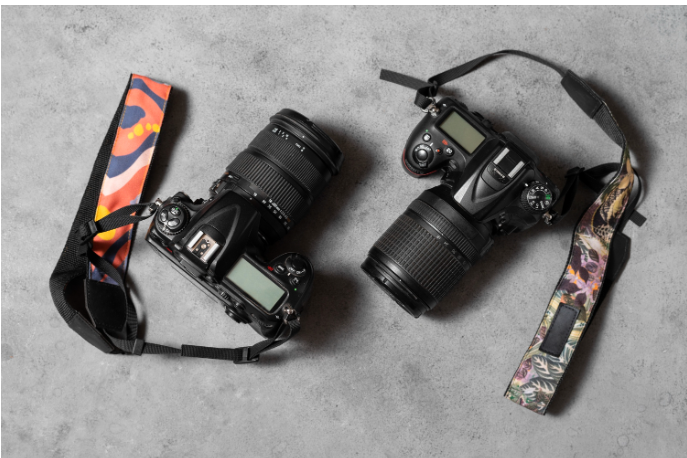
In the modern world of content creation, video cameras and DSLR cameras have become essential tools for professionals and enthusiasts alike. Whether you are a filmmaker, a YouTuber, a vlogger, or a hobbyist capturing memories, choosing between a video camera and a DSLR can make a significant difference in the quality and style of your footage. While both are capable of recording high-definition videos, they differ greatly in design, functionality, and purpose. This article explores the characteristics, advantages, and differences between these two powerful imaging devices.
What is a Video Camera?
A video camera, often referred to as a camcorder, is a device specifically designed for recording moving images and sound. Unlike still cameras, video cameras are optimized for video production, offering continuous recording, built-in microphones, and stabilization systems to ensure smooth footage.
Video cameras come in various types — from consumer-level camcorders to professional broadcast cameras used in film and television. Most modern video cameras are digital, storing footage on SD cards, hard drives, or solid-state media. They feature long recording times, powerful zoom lenses, and ergonomic designs for handheld shooting.
Key Features of Video Cameras:
- Continuous Recording: Most video cameras can record for long durations without overheating.
- Integrated Audio Systems: They often come with high-quality built-in microphones and external mic ports.
- Zoom Range: Optical zoom is usually stronger than in DSLR lenses, making it ideal for live events or documentaries.
- Ease of Use: Video cameras are user-friendly and designed for efficient on-the-go recording.
What is a DSLR Camera?
A DSLR (Digital Single-Lens Reflex) camera is primarily designed for photography but is also capable of shooting high-quality videos. It uses a mirror and optical viewfinder system that allows the photographer to see through the lens in real-time. Over the years, DSLR cameras have evolved to become powerful hybrid tools for both photography and videography.
DSLRs offer interchangeable lenses, large sensors, and advanced manual controls that give users more creative freedom over depth of field, exposure, and composition. Many filmmakers and YouTubers prefer DSLRs for their cinematic video quality and ability to achieve professional-looking results at relatively affordable prices.
Key Features of DSLR Cameras:
- Interchangeable Lenses: Users can switch lenses for different shooting styles—wide-angle, portrait, or telephoto.
- Large Sensors: DSLRs typically have APS-C or full-frame sensors, resulting in better low-light performance and depth of field.
- Manual Controls: Complete control over shutter speed, aperture, ISO, and focus.
- Cinematic Look: Shallow depth of field and natural color rendering make DSLRs ideal for storytelling videos.
Advantages of Using a Video Camera
For content creators who prioritize convenience and reliability, video cameras offer several advantages:
- Long Recording Duration: Perfect for events, interviews, and documentaries that require uninterrupted shooting.
- Built-in Stabilization: Smooth footage even when shooting handheld or moving.
- Better Audio Capture: With advanced microphone systems and inputs for external sound equipment.
- Ease of Workflow: Footage can be quickly transferred and edited, making them ideal for fast-paced production environments.
Video cameras are often the preferred choice for news reporters, event videographers, and live streamers who need a dependable all-in-one recording solution.
Advantages of Using a DSLR Camera
DSLR cameras, on the other hand, appeal to creative professionals seeking artistic control and high-quality visuals.
- Superior Image Quality: Thanks to large sensors and high-quality lenses.
- Artistic Control: Allows for cinematic effects like background blur (bokeh) and selective focus.
- Versatility: Great for both photography and videography, making it a two-in-one tool.
- Customizable Lenses and Accessories: Users can expand their setup with different lenses, filters, and rigs.
These qualities make DSLRs a favorite among filmmakers, photographers, and social media content creators who prioritize visual storytelling and aesthetic appeal.
Main Differences Between Video Cameras and DSLR Cameras
Feature |
Video Camera |
DSLR Camera |
Primary Purpose |
Video recording |
Photography with video capabilities |
Lens Type |
Fixed or limited zoom lens |
Interchangeable lenses |
Recording Duration |
Long, continuous recording |
Limited by heat or file size |
Ease of Use |
User-friendly for quick shooting |
Requires manual adjustments |
Image Quality |
Optimized for sharpness and smooth motion |
Offers cinematic depth and artistic control |
Audio Quality |
Strong built-in microphones |
Requires external mic for professional sound |
Portability |
Lightweight and compact |
Heavier with lenses and accessories |
Target Users |
Event videographers, journalists |
Filmmakers, photographers, vloggers |
Which Camera Should You Choose?
The choice between a video camera and a DSLR camera depends on your goals, experience, and creative style.
- If your priority is long, stable recordings such as weddings, interviews, or documentaries, a video camera is the more practical option. It’s designed for ease of use and reliability.
- If you’re aiming for cinematic storytelling, short films, or professional content creation, a DSLR will give you the flexibility, depth, and image quality needed to stand out.
Some content creators even use both — a video camera for live or extended shoots and a DSLR for artistic scenes or promotional content.
Conclusion
Both video cameras and DSLR cameras have revolutionized the way we capture and share moments. While video cameras are built for practicality and performance, DSLRs shine in creativity and visual excellence. Understanding their features, strengths, and limitations helps you make the right choice based on your specific needs. Whether you’re documenting real-life events or crafting cinematic masterpieces, mastering your camera is the key to producing content that captivates your audience.


