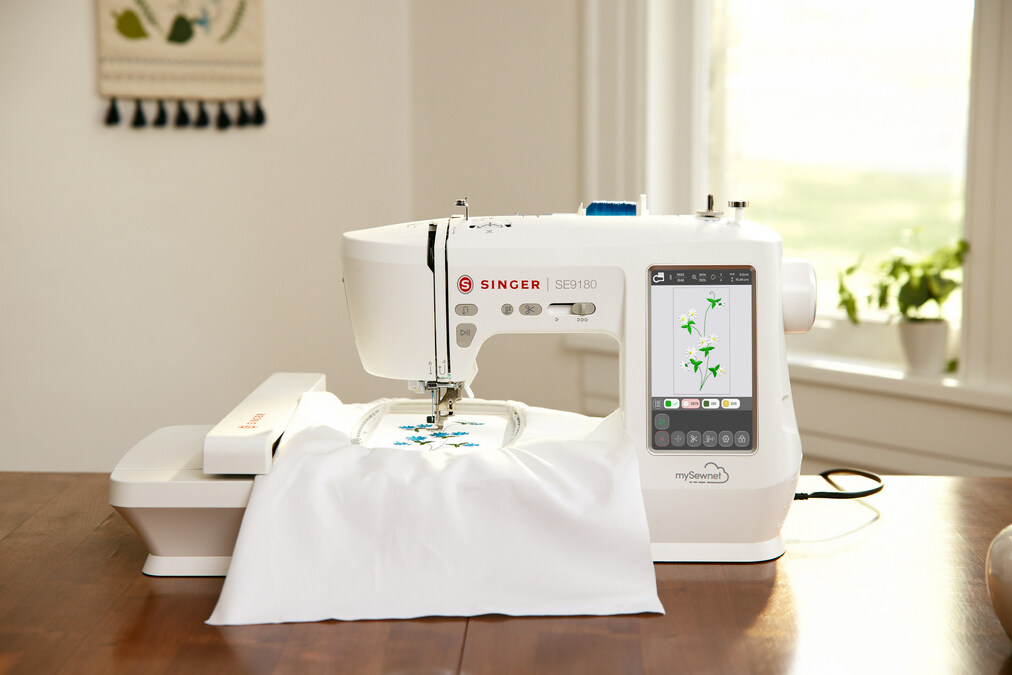
The art of embroidery has evolved significantly over the centuries, transforming from a handcraft treasured by the genteel classes to a widely accessible hobby and commercial endeavour. In modern times, the craft has witnessed a technological revolution, giving rise to sophisticated embroidery machines that take creativity to new heights. The world of contemporary embroidery machines is where tradition meets technology, enabling artists and entrepreneurs alike to produce intricate designs with speed and precision. This article delves into how these modern machines are reshaping the landscape of embroidery.
The Evolution of Embroidery Machines
Embroidery, once a painstaking handcraft, has been profoundly impacted by mechanisation. The first embroidery machines emerged during the Industrial Revolution, simplifying and speeding up the embroidery process. Since then, advancements in technology have turned these machines into highly efficient tools capable of producing complex patterns and designs that were once thought to be solely the domain of the human hand.
Embroidery machines have evolved from mere mechanised needles to computerised systems that offer a plethora of features for customisation and automation. Whether it’s for personal projects or mass production, these machines now cater to a broad range of needs and skill levels, making embroidery more accessible than ever before.
The Capabilities of Modern Embroidery Machines
Contemporary embroidery machines are marvels of technology. They come equipped with touch-screen displays, multiple needle positions, and vast libraries of pre-programmed designs. Users can select, modify, and even create designs digitally before the machine begins the embroidery process. This degree of control and personalisation was unimaginable in the past.
The machines’ precision is another key feature. Utilising advanced computer programming, modern embroidery machines can replicate designs with extraordinary accuracy, stitch after stitch. This ensures consistency, which is especially crucial for businesses that need to maintain brand identity through logos and monograms on uniforms and merchandise.
Furthermore, the speed of these machines has a significant impact on productivity. High-speed embroidery machines can complete complex designs in a fraction of the time it would take to do them by hand or on older machines. This efficiency is invaluable for commercial ventures where time is money.
The Broad Spectrum of Applications
Embroidery machines are no longer exclusively the tools of artisans and tailors. They have found a place in various sectors. In fashion, designers use them to add unique embellishments to garments, pushing the boundaries of textile art. In the promotional products industry, embroidery machines are instrumental in branding, as they are used to emboss corporate logos on everything from caps to tote bags.
Education has also embraced embroidery machines, incorporating them into curricula to teach students about design, textiles, and technology. Hobbyists, too, find joy in these machines, exploring their creativity by bringing their custom designs to life on fabric.
It is this adaptability and wide range of applications that make modern embroidery machines pivotal in both small-scale and industrial settings. They foster a synergy between creator and machine, generating an endless array of possibilities.
Embroidery Machines and Home Businesses
The rise of home businesses has been another significant development in the modern embroidery landscape. Entrepreneurs are utilising embroidery machines to start bespoke clothing lines, offer monogramming services, and create personalised home décor. The affordability and user-friendly nature of some machines have lowered the entry barriers for starting a business from home, enabling more individuals to pursue their entrepreneurial ambitions.
These machines also contribute to local economies by creating opportunities for craftsmanship and small-scale manufacturing that might not otherwise exist. Moreover, they empower individuals to build businesses around unique product offerings that have a personal touch.
The Importance of Choosing the Right Embroidery Machine
With an array of machines on the market, selecting the right one can be a daunting task. Factors to consider include the machine’s stitching speed, embroidery area, ease of use, and the variety of features offered. For those looking to venture into the embroidery business, investing in a robust, commercial-grade machine that can handle large volumes and diverse fabric types is crucial.
The right machine can be the difference between a profitable venture and one that struggles to get off the ground. It’s worth investing time in research and perhaps trialling different machines before making a purchase decision. Support from established brands can also be tremendously beneficial, as they offer expertise and guidance on choosing the correct equipment for your needs.
In conclusion, the modern world of embroidery machines is marked by a synthesis of tradition and innovation. From personal projects to professional-grade production, these machines are revolutionising the way we approach embroidery. They are tools of creativity, efficiency, and empowerment, enabling anyone with an idea to produce work of exceptional quality and character. As technology continues to advance, it’s exciting to consider what future developments will be woven into the rich tapestry of the embroidery world.