



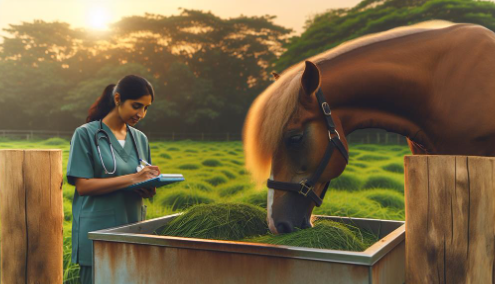
As you navigate the complexities of caring for your senior horse, choosing the right feed becomes a pivotal decision that can significantly impact their health and quality of life. Senior horses have specific nutritional needs that differ markedly from their younger counterparts, including higher protein requirements and a greater need for easily digestible fibers. However, before you settle on a particular type of feed, you should consider several crucial factors such as your horse’s dental health, weight, and activity level. Have you ever wondered what might happen if these factors aren’t adequately addressed in their diet?
Understanding Senior Horses’ Nutrition
As horses age, their nutritional needs change significantly, demanding a diet that supports their evolving health requirements. You’ll find that their protein requirements increase because older horses have a harder time maintaining muscle mass. It’s crucial to select feeds that offer high-quality, easily digestible protein sources. Look for feeds containing amino acids like lysine, which are essential for maintaining healthy tissues.
Additionally, vitamin absorption becomes less efficient in senior horses. This inefficiency can lead to deficiencies if not addressed properly. You must ensure their diet includes adequately fortified feeds that compensate for these absorption challenges. Pay particular attention to vitamins A, D, and E, which are vital for immune function, bone health, and antioxidant protection respectively.
Choosing the right feed involves more than just increasing certain nutrients; it’s about balancing these components to fit their specific health profile. As you assess different feed options, consider feeds specifically formulated for seniors that cater to these unique requirements. Such feeds often include adjusted fiber levels to aid digestion and metabolic adjustments to maintain energy levels without excessive calories.
Assessing Dental Health Needs
Evaluating your senior horse’s dental health is crucial for ensuring they can effectively chew and digest their feed. As horses age, they often experience changes in their teeth and gums, which can impact their feeding and overall health. Regular tooth wear evaluation is essential. You’ll want to check for uneven tooth wear, missing teeth, and signs of discomfort that could indicate dental issues.
When examining your horse, pay special attention to signs of gum disease. Prevention of gum disease involves maintaining proper dental care, which can prevent bacteria from causing infection and inflammation. Look for redness, swelling, or bleeding in the gums, which are telltale signs of potential problems.
To keep your senior horse’s teeth and gums healthy, schedule regular dental check-ups with a veterinarian experienced in equine dental care. These professionals can perform necessary adjustments and treatments, such as floating (filing down the teeth) to correct any abnormal wear patterns and remove sharp edges that could cause discomfort.
The Role of Fiber in Diets
Fiber plays a critical role in the diet of senior horse feeds, aiding in digestion and preventing issues such as colic and weight loss. As your horse ages, its digestive efficiency can often decline. This is where fiber becomes indispensable. It helps maintain gut health and ensures that the digestive process runs smoothly, mitigating the risk of digestive disturbances that are common in older horses.
When selecting fiber sources, it’s crucial to consider the type and quality, as these directly influence gut motility and overall health. Good quality hay, beet pulp, and hay cubes are excellent fiber sources. These not only provide the necessary bulk to stimulate the intestines but also have a hydrating effect on the gut contents, easing their passage.
Remember, the physical form of fiber is also vital. Senior horses, particularly those with dental issues from the previous topic, might struggle with long-stem forage. In such cases, softer and shorter chopped forms can be more manageable for them to chew and digest.
Ensuring that your senior horse’s diet includes adequate and appropriate fiber is fundamental. It’s not just about quantity; the type of fiber and its digestibility are key to sustaining your horse’s health as it ages.
Balancing Energy and Weight
While ensuring your senior horse gets enough fiber is important, you must also carefully manage its energy intake to maintain a healthy weight. As horses age, their metabolic rate often slows down, necessitating adjustments in their diet to prevent weight gain that could exacerbate health issues. You’ll need to focus on feeds that offer lower caloric density without compromising nutritional value.
Choosing the right feed involves understanding the balance between enough calories to support energy levels and not so many that your horse gains unnecessary weight. Look for feeds specifically formulated for senior horses; these products typically have adjusted energy levels suitable for a slower metabolism. It’s also crucial to monitor your horse’s weight and energy levels regularly, adjusting their feed as needed to ensure they’re not losing or gaining too much weight.
Supplements for Joint Support
As your horse ages, incorporating joint support supplements can significantly enhance their mobility and comfort. Understanding ingredient efficacy in these supplements is crucial. Glucosamine and chondroitin are popular ingredients known for their effectiveness in maintaining joint health. These compounds aid in cartilage repair and reduce inflammation, thus easing joint pain.
It’s important to choose the right supplement forms for optimal absorption and ease of administration. Pelleted supplements are often preferred as they can be easily mixed with regular feed, ensuring that your horse receives the full dosage. Liquid forms are another option, which some find easier to administer, especially for picky eaters, as they can be blended into the feed without much notice.
Additionally, consider supplements that contain hyaluronic acid and MSM (Methylsulfonylmethane). Hyaluronic acid helps maintain joint lubrication, which is essential for reducing friction and wear in the joint areas. MSM is another sulfur-containing compound that helps reduce inflammation and promotes recovery in the connective tissues.
When selecting a joint supplement, always consult with your veterinarian to match the product with your horse’s specific needs and current health status. This tailored approach helps in maximizing the benefits while ensuring safety and addressing the unique requirements of your senior horse.
Managing Common Health Issues
Senior horses often face a range of health issues that require careful management to maintain their quality of life. Key among these is metabolic monitoring. As your horse ages, its metabolism can slow down, making it prone to weight gain and associated conditions like equine metabolic syndrome. You’ll need to monitor their blood glucose levels and adjust their diet accordingly to prevent these risks.
Equally critical is maintaining proper hydration. Older horses can become dehydrated more quickly, especially if they suffer from dental problems that make drinking water painful or difficult. Always ensure they’ve access to clean, fresh water and watch for signs of dehydration, such as dry mucous membranes or decreased skin elasticity.
Don’t overlook the importance of regular veterinary check-ups. These visits can catch early signs of common age-related diseases such as arthritis or digestive issues, allowing for timely intervention. Your vet can also advise on specific dietary adjustments or treatments to support your horse’s health.
Tips for Feeding and Care
Building on the importance of regular veterinary check-ups, let’s explore effective feeding and care strategies for your senior horse. First and foremost, hydration is crucial. Always ensure your horse has access to clean, fresh water. As horses age, their kidney function may decline, making proper hydration even more vital to help prevent renal issues and maintain overall health.
When it comes to feeding, opt for high-quality senior feeds that are easily digestible and low in sugar and starch. These feeds are specifically designed to meet the nutritional needs of older horses, providing essential vitamins and minerals without overloading their digestive system. It’s also beneficial to feed smaller, more frequent meals to aid in easier digestion and absorption of nutrients.
Don’t forget the exercise routine. While your senior horse may not have the stamina of its younger days, regular, gentle exercise is important to maintain muscle tone, flexibility, and circulation. Tailor the exercise to your horse’s current health status and capabilities, perhaps focusing on light walking or trotting sessions that won’t overstrain their joints.


