



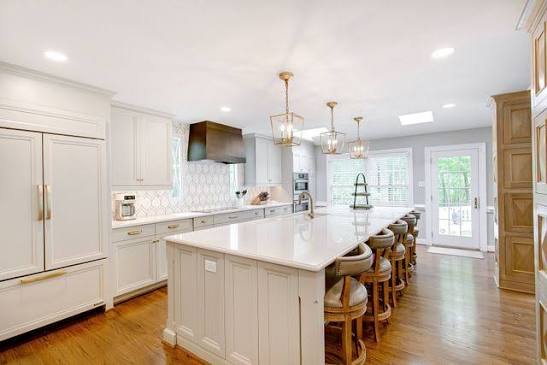
A kitchen remodel can improve function, comfort, and visual appeal. A luxury kitchen goes further. It is planned as a complete living environment, where layout, materials, craftsmanship, lighting, storage, and daily use work together with precision.
The difference is not only the price of finishes. It is the level of coordination behind every decision. Luxury design considers how the space looks, feels, performs, and ages over time.
Planning That Starts With Lifestyle
A standard remodel often solves immediate problems, such as worn cabinets, dated counters, or limited storage. A luxury kitchen begins with a deeper look at habits, movement, entertaining style, cooking preferences, and household routines.
Experienced kitchen designers in Toronto often focus on how people use the room throughout the day. This includes traffic patterns, appliance placement, seating, preparation zones, and transitions to nearby living areas.
Strong planning reduces visual clutter and makes the kitchen feel natural to use. Every cabinet, drawer, surface, and fixture has a purpose, rather than simply filling available space.
Materials With Lasting Presence
Luxury kitchens usually feature materials chosen for beauty, durability, and tactile quality. Natural stone, premium wood veneers, refined metals, textured finishes, and high-performance surfaces can create depth that standard materials may not achieve.
The goal is not to make every element stand out. Luxury often comes from balance. A calm palette, consistent tones, and thoughtful contrast can feel more refined than an overly decorative design.
Details That Influence Quality
- Cabinet doors align cleanly and operate smoothly
- Countertops are selected for both appearance and maintenance needs
- Hardware feels substantial and comfortable in daily use
- Finishes coordinate across cabinetry, fixtures, lighting, and flooring
- Edges, seams, and transitions are handled with care
Custom Cabinetry and Intelligent Storage
Cabinetry is one of the clearest differences between a luxury kitchen and a standard remodel. In many standard projects, cabinet sizes are adapted to fit the room. In a luxury kitchen, storage is often designed around the room and the owner’s exact needs.
Custom or highly tailored cabinetry can include concealed pantries, integrated appliance panels, drawer organizers, vertical tray storage, hidden charging areas, and specialized zones for serving pieces or small appliances.
Design approaches found in Downsview kitchens are often associated with refined proportions, elegant finishes, and carefully planned cabinet systems. The result is a kitchen that feels composed rather than crowded.
Craftsmanship You Can See and Feel
Luxury is closely tied to execution. Even excellent materials can look ordinary if installation is rushed or details are inconsistent. Skilled craftsmanship affects reveal lines, cabinet alignment, panel fit, stone fabrication, lighting placement, and overall finish quality.
In a standard remodel, small imperfections may be accepted as part of the process. In a luxury kitchen, those details are central to the result. Precision creates a sense of calm because the eye is not distracted by uneven lines or awkward transitions.
Lighting as a Design Layer
Lighting is often treated as an afterthought in standard remodels. In a luxury kitchen, it is layered from the beginning. Ambient, task, and accent lighting work together to support function and mood.
Well-planned lighting can highlight stone veining, brighten preparation areas, soften evening use, and define key architectural features. Controls may also allow different settings for cooking, dining, entertaining, and quiet morning routines.
Appliances That Integrate With the Design
Luxury kitchens typically include appliances selected for performance, placement, and visual integration. This does not always mean the largest or most noticeable options. Often, the best choices are those that support cooking habits while fitting cleanly into the design.
Panel-ready refrigeration, built-in cooking appliances, quiet ventilation, warming drawers, beverage storage, and organized waste systems can all contribute to a polished experience. The appliance plan should support the layout, not dominate it.
Comfort, Flow, and Long-Term Value
A luxury kitchen feels comfortable because proportion and flow are carefully managed. Walkways, island size, seating depth, counter height, and storage access all influence how enjoyable the room is to use.
Long-term value also comes from restraint. A well-designed luxury kitchen avoids short-lived trends and focuses on quality, usability, and timeless character. It can feel current without becoming overly tied to one moment in design.
The Defining Difference
A standard remodel can refresh a kitchen successfully. A luxury kitchen creates a complete, highly considered environment. The difference lies in planning, personalization, craftsmanship, materials, and the way every detail supports daily life.
When these elements are handled with care, the kitchen becomes more than a renovated room. It becomes a refined, functional center of the home, built to serve beautifully for years.


