

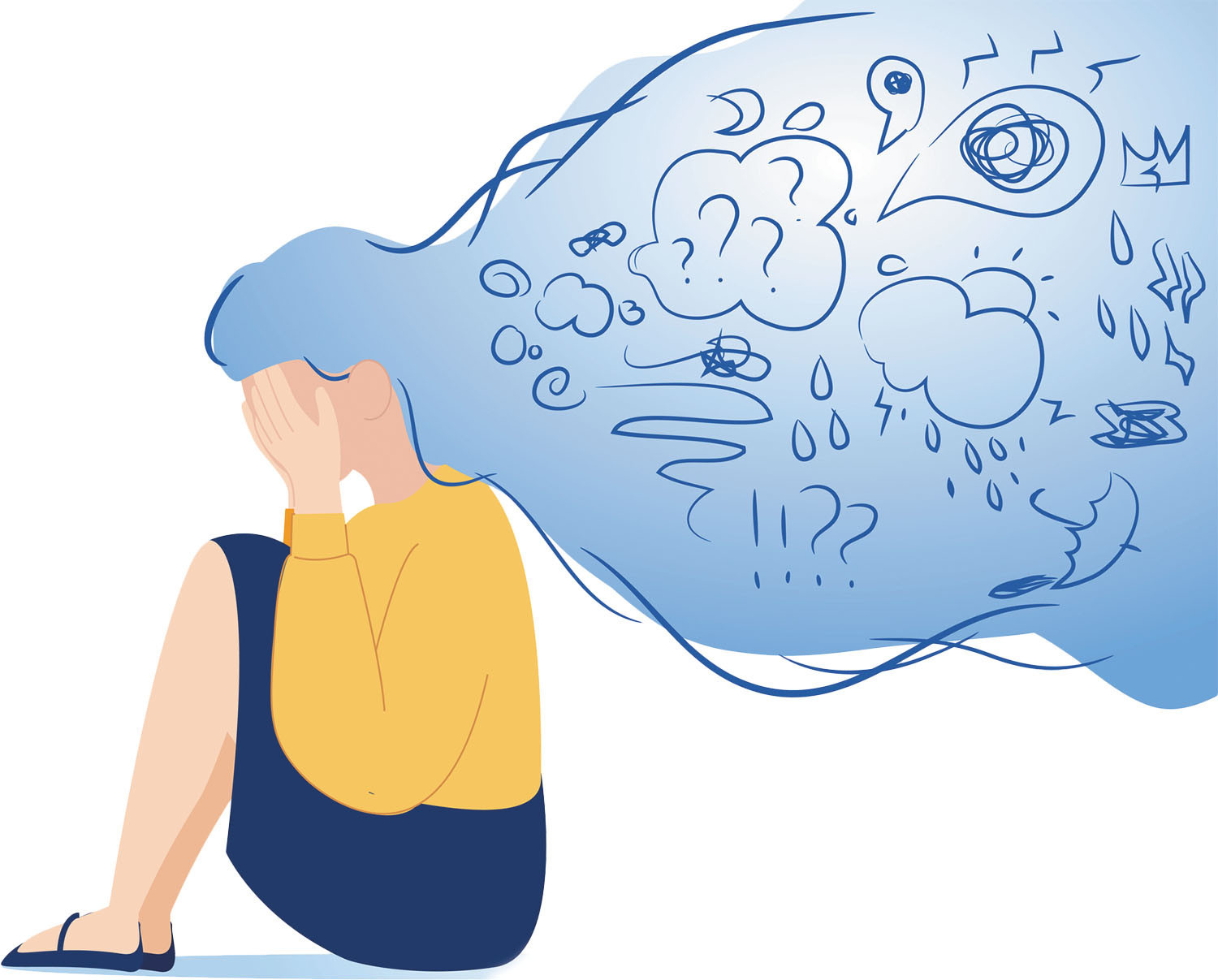
There is a moment I have witnessed countless times in my clinical work — a person sitting across from me, heart still racing from an episode hours earlier, telling me they genuinely believed they were dying. Not metaphorically. Literally dying. That is the particular cruelty of a panic attack: it is entirely survivable, yet it feels like the most dangerous thing that has ever happened to you. Understanding why that gap exists between perception and reality is, in my view, the most important first step toward treating panic attacks without reaching for a prescription.
What Is Actually Happening in Your Body
A panic attack is a sudden surge of intense fear or discomfort that peaks within minutes. The physical signs are hard to ignore — a pounding or racing heart, shortness of breath, chest tightness, dizziness, trembling, numbness or tingling in the extremities, sweating, and a feeling of unreality or detachment from yourself. Some people experience nausea or chills. Many describe a consuming fear of losing control or, as I mentioned, a fear of dying. What triggers this cascade? The brain’s threat-detection system — particularly the amygdala — fires as though a genuine danger is present. Adrenaline floods the bloodstream. Breathing quickens. Blood is redirected to your muscles. Every single symptom has an evolutionary explanation: your body is preparing to fight or flee. The problem is that there is nothing to fight, nowhere to flee, and so the energy has nowhere to go. Causes vary considerably from person to person. Chronic stress is a major contributor, as is sleep deprivation, caffeine overuse, and unresolved anxiety disorders. Significant life transitions, trauma history, and even certain medical conditions — thyroid imbalances, for instance — can create vulnerability. I have worked with clients who had their first panic attack during a period of outward success and stability, which confused them deeply. The body keeps its own accounts.
The Case for Non-Medication Approaches
Medication can be appropriate and helpful for some people, and I would never categorically dismiss it. But in my clinical experience, non-medication approaches often produce more durable results because they build genuine self-regulation capacity rather than chemical relief. You are teaching your nervous system a new response, not suppressing the old one. Cognitive Behavioral Therapy remains the most evidence-supported intervention. The core technique — interoceptive exposure — involves deliberately inducing mild versions of panic sensations in a safe setting, so the brain learns that these sensations are uncomfortable but not dangerous. Over time, the fear of fear diminishes. That second layer of fear, the anxiety about having another panic attack, is frequently what sustains the cycle. Breathing retraining is a foundational tool I teach every client. When you hyperventilate during panic, carbon dioxide drops in your blood, and this actually intensifies dizziness and tingling — feeding the spiral. Slow, diaphragmatic breathing with a longer exhale than inhale activates the parasympathetic nervous system and begins to apply the brakes. Even practicing this daily for five minutes, outside of any panic episode, builds a reserve of nervous system flexibility. Mindfulness-based approaches have strong clinical backing as well. Learning to observe sensations without immediately catastrophizing them changes the relationship between you and your body’s signals. You move from passenger to observer. Many people now also seek initial guidance and psychoeducation through digital platforms. Used thoughtfully, AI mental health support can offer accessible information and coping frameworks between sessions with a clinician — particularly useful for people in early stages of understanding their symptoms.
What Recovery Actually Looks Like
I want to be honest with you: recovery from panic disorder is rarely linear. There are weeks of progress followed by a difficult episode that feels like starting over. What I tell my clients is that a single setback does not erase what the nervous system has already learned. The work accumulates even when it does not feel that way. The most important shift is conceptual. When you stop treating panic as an emergency to escape and start treating it as an experience to move through, its power over you begins — gradually, genuinely — to shrink.
