



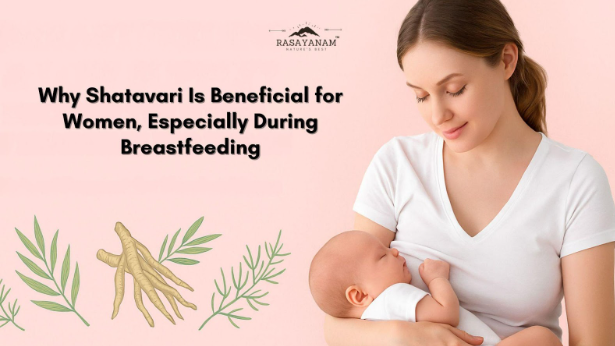
Being a mother is every girl’s dream. But this comes with lots of challenges. Many mothers feel worried about whether they are producing enough breast milk for their babies. This concern is more common than you think. Various factors like tiredness, stress, hormonal changes, and lifestyle factors can all affect milk supply. For a new mother, this can bring feelings of guilt, anxiety, and helplessness.
If you are facing these challenges, you are not alone. The good news is that there are natural ways to support your body. One such time-tested remedy is Shatavari, a powerful herb used in Ayurveda for centuries.
In this blog, we will explore how Shatavari for women, especially Shatavari for breastfeeding women, can be a natural supporter in promoting lactation and overall postpartum well-being.
What Is Shatavari?
Shatavari is basically a plant found mainly in India and the Himalayas. The word “Shatavari” means “woman who has a hundred husbands,” highlighting its reputation as a rejuvenating herb for women.
The plant’s roots are widely used in Ayurvedic medicine. Shatavari is rich in saponins, flavonoids, and other bioactive compounds that support women’s health throughout various stages of life — from puberty to motherhood to menopause.
Shatavari for Women: Why It’s a Must-Have Herb
Women’s bodies go through many changes over time. Whether it’s hormonal fluctuations, pregnancy, breastfeeding, or menopause, each stage comes with its own set of physical and emotional challenges.
Shatavari for women works as a natural adaptogen, meaning it helps the body cope with stress and maintain hormonal balance. Here’s why it is a must-have herb for every woman:
- Supports hormonal health
- Boosts reproductive wellness
- Strengthens the immune system
- Promotes emotional well-being
- Aids in postpartum recovery
One of Shatavari’s most well-known uses is its ability to enhance breast milk production, which brings us to the next section.
How Shatavari Helps Boost Breast Milk Production
Many new mothers turn to Shatavari for breast milk support. Shatavari is a natural galactagogue — a substance that promotes the flow of breast milk. Here’s how it works:
1. Supports Prolactin Production
Prolactin is the hormone responsible for milk production. Studies suggest that Shatavari helps increase prolactin levels, which in turn supports better milk supply.
2. Nourishes the Mother’s Body
Breastfeeding requires extra energy and nutrients. Shatavari nourishes the body with essential bioactive compounds, helping mothers regain strength and vitality postpartum.
3. Reduces Stress and Anxiety
Stress is one of the biggest blockers of milk flow. As an adaptogen, Shatavari helps reduce stress and calm the nervous system, indirectly supporting better lactation.
4. Improves Digestive Health
Good digestion is essential for nutrient absorption, which directly impacts milk quality and quantity. Shatavari soothes the digestive tract, supporting better stomach health for both mother and baby.
Other Health Benefits of Shatavari for Breastfeeding Women
While its role in improving lactation is well known, Shatavari for breastfeeding women offers many other benefits:
1. Enhances Postpartum Recovery
Shatavari helps balance hormones, reduces fatigue, and supports the uterus’s natural healing process after childbirth.
2. Boosts Immunity
Breastfeeding mothers are often more vulnerable to infections. Shatavari strengthens the immune system, helping mothers stay healthy.
3. Supports Emotional Well-being
Postpartum blues or mood swings are common. Shatavari’s calming properties help reduce anxiety and promote emotional balance.
4. Improves Energy Levels
Caring for a newborn is tiring as it requires lots of time and attention. Shatavari helps improve stamina and fight postpartum fatigue.
How to Use Shatavari for Breastfeeding Support
Shatavari is available in various forms: powder, capsules, tablets, and liquid extracts.
Here’s how to incorporate it into your daily routine:
- Shatavari Powder: Mix 1-2 teaspoons in warm milk or water, preferably with a pinch of cardamom or nutmeg.
- Shatavari Capsules/Tablets: Take as directed on the package or as advised by your healthcare professional.
- Shatavari Liquid Extracts: These are usually taken in a few drops mixed with water or milk.
Important: Always consult your doctor or an Ayurvedic practitioner before starting Shatavari, especially if you are taking other medications or have health concerns.
Are There Any Side Effects?
Shatavari is generally safe for most women when used in recommended doses. However, some people may experience:
- Mild digestive discomfort
- Allergic reactions (rare)
- Increased weight (due to improved nutrient absorption and hormonal balance)
If you notice any unusual symptoms, stop taking Shatavari and consult your doctor.
Tips for Choosing Quality Shatavari Products
Not all Shatavari supplements are created equal. To get the best results, look for:
- Organic-certified products
- 100% pure Shatavari root extract
- Free from additives, fillers, and artificial colors
- Third-party tested for quality and safety.
Buying from a trusted brand ensures you’re getting a product that is both effective and safe.
FAQs About Shatavari for Breastfeeding Women
Q1. Can I take Shatavari while breastfeeding?
Yes, Shatavari is commonly recommended for breastfeeding women to help support milk production and overall postpartum recovery. Always consult your doctor before starting any new supplement.
Q2. How long does it take for Shatavari to increase breast milk?
Many women report seeing improvements in milk supply within 7-14 days of consistent use. However, results may vary from person to person.
Q3. Is Shatavari safe for the baby?
When used as directed, Shatavari is generally safe for both mother and baby. Always follow the recommended dosage and consult your healthcare provider.
Q4. Can I take Shatavari along with other lactation supplements?
Yes, but it is best to consult your doctor or a qualified Ayurvedic practitioner to ensure safe combinations.
Q5. Are there any foods I should avoid while taking Shatavari?
There are no strict dietary restrictions. However, maintaining a healthy, balanced diet supports better results.
Final Thoughts: Embrace Shatavari for a Healthier Breastfeeding Journey
Breastfeeding is a beautiful yet challenging experience. While every woman’s body is unique, natural support from herbs like Rasayanam Shatavari for women can make this journey smoother.
If you are struggling with milk supply, feeling tired, or simply want to nourish your body postpartum, Shatavari for breastfeeding women can be a gentle, natural aid.
As always, listen to your body, seek guidance from your healthcare provider, and embrace the joy of nurturing your little one.


