



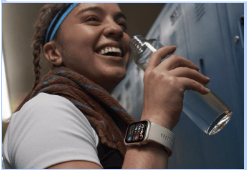
Smartwatches have revolutionized personal health management by offering a comprehensive suite of features designed to monitor and improve overall well-being. These devices, such as the HUAWEI WATCH D2, stand out for their advanced capabilities, including dynamic blood pressure measurement. They provide 24-hour monitoring and generate detailed reports, making it easier to track your health at any time. Moreover, smartwatches serve as indispensable tools for answering critical health-related questions, such as “what are the symptoms of fluctuating blood pressure?” By delivering real-time insights, they help users better understand their bodies and address potential health risks proactively. This personalized and data-driven approach empowers individuals to make informed lifestyle choices.
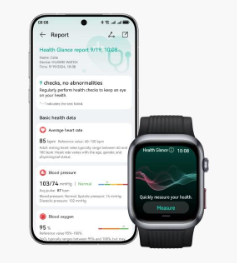

Tracking Vital Health Metrics: Real-Time Insights into Your Body
Modern smartwatches excel at providing real-time insights into essential health metrics, giving users a clearer understanding of their bodies. These wearable devices are equipped with sensors and algorithms that ensure precise tracking of various health parameters.
Monitoring Heart Rate and Respiratory Health
Heart rate monitoring has become a standard feature of smartwatches, providing users with data that can identify potential health risks such as arrhythmias. Paired with respiratory health tracking, these devices can analyze breathing patterns, especially during activities like exercise or sleep. This combination of heart rate and respiratory data allows users to detect irregularities early, making it possible to seek timely medical advice. Such features are particularly beneficial for those with pre-existing conditions or individuals focused on preventive health care.
Tracking Physical Activity and Calories Burned
Smartwatches are highly effective in promoting an active lifestyle by tracking physical activity levels and calories burned. From counting steps to logging workouts, they offer a detailed analysis of daily activity, encouraging users to meet fitness goals. For example, they can differentiate between types of exercise, such as running or yoga, and provide tailored feedback. This precise monitoring ensures users have a comprehensive view of their activity levels, making it easier to maintain or improve physical fitness over time.
The Importance of Sleep and Stress Monitoring: How Smartwatches Help
Sleep and stress are two pillars of health that are often overlooked but are critical for overall well-being. Smartwatches provide in-depth data on these areas, allowing users to take control of their mental and physical health.
Sleep Cycle Tracking for Optimal Rest
Understanding sleep patterns is essential for achieving restorative rest, and smartwatches make this possible through advanced sleep cycle tracking. By monitoring heart rate, oxygen levels (SpO2), and breathing patterns, these devices can detect irregularities such as sleep apnea. They also provide insights into the duration and quality of sleep stages—light, deep, and REM—helping users optimize their sleep habits. For individuals struggling with fatigue or focus, this data is invaluable for identifying areas of improvement.
Stress Detection and How to Manage It
Stress monitoring is another feature that underscores the usefulness of smartwatches. These devices use heart rate variability (HRV) data to measure stress levels and alert users when stress spikes occur. With this awareness, users can take proactive steps, such as guided meditation or breathing exercises, to manage stress effectively. This functionality not only helps in preventing burnout but also fosters a healthier, more balanced lifestyle.
Empowering Users to Take Action: Notifications and Alerts
Smartwatches are more than passive health trackers—they actively encourage users to take charge of their well-being through timely notifications and alerts.
Immediate Alerts for Health Irregularities
One of the standout features of smartwatches is their ability to send immediate alerts for health irregularities. Whether it’s an abnormally high heart rate, low oxygen levels, or fluctuations in blood pressure, these alerts provide real-time warnings. For instance, a sudden spike in blood pressure could prompt users to investigate potential causes or consult a healthcare professional. This proactive approach ensures that potential health issues are addressed before they become severe, making smartwatches indispensable for health management.
How Smartwatches Encourage Proactive Health Management
Smartwatches also motivate users to adopt healthier habits through goal reminders and activity prompts. For example, reminders to stand, hydrate, or complete a set number of steps keep users engaged in their health journey. These notifications are especially effective for busy individuals who might otherwise overlook self-care. By fostering a habit of consistent monitoring and action, smartwatches help users maintain their health over the long term, reinforcing their role as proactive health partners.
Long-Term Health Trends: Learning from Your Data
Analyzing long-term health trends is one of the most powerful applications of smartwatches, providing valuable insights into overall well-being.
Using Smartwatch Data for Health Trends and Patterns
The continuous data collected by smartwatches can be used to identify health trends and patterns over weeks, months, or even years. For instance, users can track how lifestyle changes, such as a new diet or exercise routine, impact their health metrics. This data-driven approach allows for a better understanding of how daily habits influence long-term well-being. Such insights are instrumental for making informed decisions about health and fitness goals.
Setting Health Goals Based on Data Insights
Smartwatches make setting and achieving health goals more attainable by providing personalized data insights. Users can set goals for weight management, activity levels, or improved sleep quality based on their smartwatch analytics. Regular updates and progress tracking further motivate users to stay committed to their goals. By turning data into actionable steps, smartwatches empower individuals to lead healthier lives.
Conclusion
Smartwatches have transformed how we approach health, offering real-time insights and actionable data to help users decode their body’s signals. From tracking vital metrics like heart rate and blood pressure to analyzing sleep patterns and stress levels, these devices provide an unparalleled level of health awareness. Devices like the HUAWEI WATCH D2 go even further, combining advanced features with user-friendly interfaces, making health management accessible to everyone. By bridging the gap between technology and health, smartwatches truly empower individuals to live healthier, more informed lives.


