



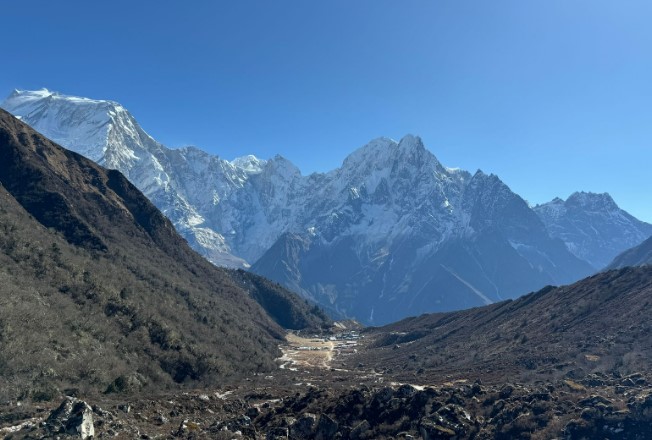
The definition of adventure varies depending upon the person. To some people, ticking off the famous locations is what constitutes an adventure. To others, pushing themselves physically is the definition of adventure. However, for the true adventurer, the best adventures are often found off the beaten path and have no signs of greatness, many are found in less populated areas of the world. The Himalayas still have places where it feels like an authentic, genuine, and meaningful experience. One of these less-traveled routes continues to attract trekkers who prefer real vs. easy experiences and quality vs. simple.
This is not a trek that rushes to impress you. It takes time to reveal itself, and that is exactly why it leaves such a lasting impression.
Remoteness That You Can Feel, Not Just See
Remoteness on this route is not an idea—it is something you experience every day on the trail. Villages are spread far apart, roads disappear early in the journey, and the mountains begin to dictate the pace of life. Phone signals fade, schedules become flexible, and the outside world slowly feels distant.
For adventure seekers, this separation is powerful. Walking for hours without noise, traffic, or crowds allows you to reconnect with the rhythm of movement and nature. The trail feels purposeful, not staged. Every step reminds you that you are passing through a living landscape rather than a tourist corridor.
This sense of isolation is one of the main reasons trekkers choose the manaslu circuit trek nepal when they want something truly different.
A Journey That Unfolds Gradually
In contrast to other treks that bombard you with an abundance of breathtaking views, this trek slowly builds its character. The first few days are spent walking through friendly river valleys with farmlands and wooded hillsides. The people who call this area home live a simple and purposeful life and are governed entirely by the seasons and not by the tourists that visit them.
As you ascend, the environment begins to change. The forest is tapering off, the temperature is dropping, and distant mountains become more visible in the background. Each of these transitions is earned through your effort. You do not abruptly move into the lofty mountain region; you have walked step by step to reach that location.
The slow down in pace gives your body parts and mind plenty of time to acclimate to the changing elevations—the slow crawl up through the Himalayas enhances your appreciation for the magnitude of this range, especially when comparing this method to a fast or crowded route.
Culture That Exists Beyond Tourism
The cultural immersion of this route through the remote Himalayas is one of the finest aspects to experience. The villages along the trail are not developed with trekking tourism in mind; rather, their inhabitants continue living as they always have, shaped by the landscape and the rhythm of the seasons.
The homes are built using locally available materials and reflect the traditions and climate of the region. Daily life revolves around subsistence farming, caring for animals, and spending time with family. Religious beliefs and spiritual practices are naturally woven into everyday routines rather than presented for outside attention.
When you stop at these villages, interactions feel spontaneous and genuine. A shared smile, a brief conversation, or a simple meal offered with kindness often becomes a memorable moment. Many trekkers find these quiet exchanges more meaningful than the views from the many scenic viewpoints along the trail.
The authenticity of the Manaslu Circuit Trek in Nepal remains one of the defining features of the journey. Guides from experienced local companies such as Nepal Hiking Team, who regularly lead trekkers through this remote region, often help visitors understand local customs respectfully while ensuring that these communities remain undisturbed by tourism.
A Physical Challenge That Feels Honest
For adventure lovers that love a good challenge but dislike challenges that feel enforced or forced, this route provides an adequate amount of Difficulty that is indicative of the Environment.
During the days, you will climb steadily, descend slowly, find yourself walking on skinny trails and uneven ground. As you start to gain elevation, your ability to walk quickly will decrease and you will have no choice but to consciously control and take longer and slower steps. Therefore, during this part of the journey, you have learned pacing, listening to your breath and respecting the condition of the terrain as opposed to exerting immense energy to achieve the same goal.
The emotional high point of your Adventure is typically achieved once you Cross over the top of a high mountain pass, and you should know that this is typically achieved with patience, concentration, and determination, as opposed to an oral report. Although the view from the top provides a great deal of personal satisfaction and fulfillment, it is also a magnificent site to behold.
Space to Think, Walk, and Breathe
The biggest difference between this route and other more popular trekking routes is that there are no crowds on this route. Trails are isolated and quiet, the lodges are generally small, and although there are many well-used stopping points throughout this route, you won’t feel crowded when you visit them.
The lack of congestion on this route has a positive impact on the overall experience of the Adventure. You will be able to walk in Silence, take a Break from time to time, and enjoy the beauty of the landscape without being interrupted by other people. Although the evenings will be quiet, you can use this time to relax, reflect or simply admire the changing Colors of the Mountains as the Sun Goes Down.
For many adventure seekers, this solitude is not a luxury—it is essential. It allows the journey to become inward as well as outward.
Responsibility Becomes Part of the Adventure
Using caution while trekking in remote areas. Facilities are rarely luxurious, resources are few, and support is minimal. As a result, trekkers are encouraged to be thoughtful and responsible in their actions.
Water is treated with great care. All waste is picked up and disposed of properly. Local customs are honored/respected because they are part of the everyday life of these people and not just for show. Taking part in these small acts of responsibility will improve your bond with this place as well as your understanding of what it means to be a guest in somebody else’s country.
By the time trekkers have completed the Manaslu Circuit Trek (trekking through Nepal), they have usually developed an increased appreciation/respect for both nature and the people that live there and carry that respect with them long after the conclusion of their trek.
Who This Route Is Truly Meant For
Not everyone can or would want to attempt the circuit through the Himalayan Mountains; however, this adds to the uniqueness of this trekking route. This trek generally attracts people who:
- Prefer quietness over convenience
- Enjoy walking all day, every day
- Are comfortable with simple accommodation
- Want cultural depth rather than polished experiences
- Seek personal growth through challenge
Adventure seekers wanting to make sense of what they experience versus moving through it without thought.
Why the Experience Lingers Long After the Trek?
After finishing a trek, there will be many memories to cherish: the beautiful sights along the way; the soothing cadence of your footsteps as you traverse through valley after valley with no signs of life around you; the warmth and generosity shown to you by people you meet during your journey; and, finally, the renewed sense of perspective that comes from living simply for a few days.
Many trekkers return home with a calmer mindset and a renewed appreciation for effort, patience, and silence. The journey reshapes how you think about adventure—and sometimes about life itself.
That lasting impact is why the manaslu circuit trek nepal continues to be quietly recommended by those who have walked it, rather than loudly advertised.
Final Reflection
Adventure, by definition, is not a loud and crowded experience. It exists in remote places, where effort must be expended to reach them, where your expectations are modified due to unforeseen circumstances during your trip and where, in the end, how you traveled is more significant than what you achieved at the end of each adventure.
This remote Himalayan route offers exactly that. It challenges the body, sharpens awareness, and invites reflection. For adventure seekers who are willing to slow down and step away from the obvious, it provides an experience that feels real, humbling, and deeply rewarding.
In a world full of shortcuts and highlights, this trek remains a reminder that the most meaningful journeys are often the ones that ask something from you in return.


