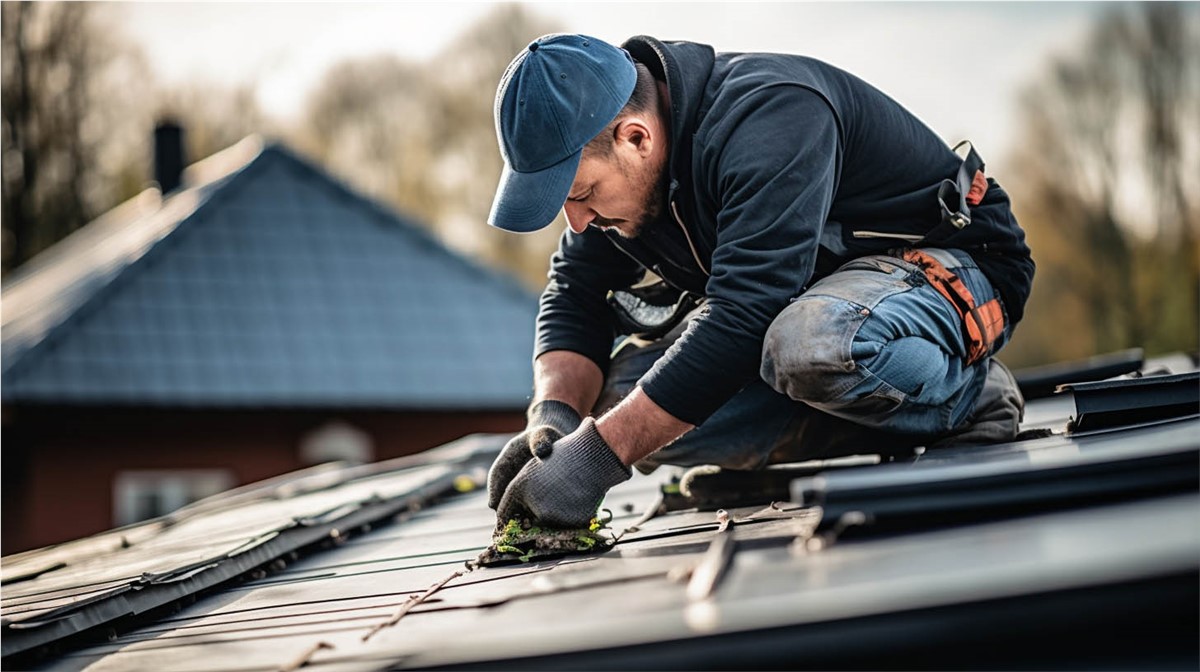
When it comes to maintaining a home, ensuring the roof is in optimal condition is crucial. For homeowners in Oregon, navigating roof repair and installation can be particularly challenging due to the state’s unique climate and weather conditions. This comprehensive guide aims to shed light on the process of roof repair and installation, helping homeowners make informed decisions that ensure their homes remain protected and aesthetically pleasing. By understanding key aspects such as identifying damage, choosing materials, cost considerations, and deciding between professional help or DIY, homeowners can approach their roofing needs with confidence. Whether you’re seeking to undertake roof installation Oregon or considering roof repairs, this guide provides essential insights to help you make the best choice for your property.
Identifying When to Repair or Replace
- Leaks: Persistent leaks often signal significant underlying issues like damaged flashing or compromised underlayment, which might necessitate a full roof replacement. Minor, localized leaks may be fixed with targeted repairs if the rest of the roof is in good condition.
- Missing Shingles: Individual missing or damaged shingles can usually be replaced without major disruption. However, if large sections of shingles are missing or damaged, a full replacement might be more efficient and cost-effective in the long term.
- Granule Loss: Excessive granule loss from asphalt shingles indicates that the roof’s protective layer is deteriorating. While minor loss can be managed with repairs, significant granule loss usually means the roof’s overall integrity is compromised, warranting a full replacement.
- Sagging Roof Deck: A sagging roof deck typically points to severe structural issues, such as weakened rafters or inadequate support. This condition often necessitates a complete roof replacement to address the underlying structural problems and ensure the roof’s safety and stability.
- Visible Damage: Cracked, curled, or broken shingles can usually be repaired if they are isolated. However, widespread visible damage often reflects systemic issues with the roof’s condition, making a complete roof replacement a more reliable and long-term solution.
Choosing the Right Materials for Repairs and Installations
1. Asphalt Shingles
Asphalt shingles are a cost-effective and versatile option, popular for their ease of installation and affordability. They offer good durability and weather resistance but may need replacement sooner due to wear and tear. Ideal for budget-conscious repairs and projects with moderate climate conditions.
2. Metal Roofing
Metal roofing provides exceptional durability and resistance to harsh weather conditions, including heavy rain and strong winds. It is energy-efficient due to its reflective properties, reducing cooling costs. Though initially more expensive, its longevity and minimal maintenance needs make it a worthwhile investment for both repairs and installations.
3. Tile Roofing
Clay or concrete tile roofing is known for its unique appearance and impressive durability, often lasting 50 years or more. These materials are resistant to fire and rot, but their weight may require additional structural support. Ideal for major repairs or new installations, tile roofing can be a significant investment.
4. Slate Roofing
Slate roofing is renowned for its premium quality and aesthetic appeal, offering a long lifespan and exceptional durability. Its high cost and substantial weight often necessitate professional installation and additional structural support. Slate is suitable for both repairs and new installations where long-term performance and elegance are priorities.
Cost Considerations
- Roof Repair Costs: Repairs generally cost less than replacements, with expenses varying based on the extent of damage and material used. Minor repairs might range from $300 to $1,000, while more extensive repairs could cost up to $3,000.
- Roof Installation Costs: A full roof installation is a larger investment. Costs vary widely based on material choice, roof size, and complexity, typically ranging from $5,000 to $15,000 or more. It’s important to factor in potential additional costs for permits, inspections, and disposal of old roofing materials.
- Budgeting and Financing: Consider setting aside a contingency fund for unexpected expenses. Explore financing options such as home equity loans or specialized roofing financing to manage costs effectively.
Hiring a Professional vs. DIY
1. Safety Concerns
Roofing involves working at heights and handling heavy materials, posing significant safety risks. Professionals are equipped with safety gear and follow strict protocols to minimize accidents. DIY attempts lack such precautions, increasing the likelihood of falls, injuries, or improper handling of materials, which can be dangerous.
2. Skill Requirements
Roofing requires specialized skills, including proper installation techniques, material handling, and problem-solving for unforeseen issues. Professionals possess these skills and have experience dealing with complex situations, ensuring a high-quality job. DIYers, lacking expertise, might struggle with technical aspects, leading to errors that affect the roof’s performance and durability.
3. Cost Savings
DIY roofing might appear cost-effective due to savings on labor. However, mistakes or subpar work can result in costly repairs or replacements sooner than expected. Professionals provide warranties and ensure adherence to standards, which can save money by preventing issues that might arise from DIY errors and ensuring long-term reliability.
4. Time and Effort
Roofing projects require significant time and effort. Professionals can complete the work efficiently due to their experience and access to specialized tools. In contrast, DIY projects often extend over a longer period due to the learning curve and unforeseen complications, leading to potential delays and additional stress.
Conclusion
Whether addressing minor issues or undertaking a complete roof installation in Oregon, understanding the nuances of roof repair and installation is essential for making informed decisions. Keeping a roof in good repair raises a home’s resale value and improves the aesthetics and security of the structure. By considering factors such as damage assessment, material selection, cost implications, and professional versus DIY approaches, homeowners can ensure they make the best choices for their roofing needs. For those looking for expert assistance in roof repair and installation, professionals specializing in roof repair roof Oregon, like Forrester’s Construction LLC, can offer valuable guidance and quality service.